
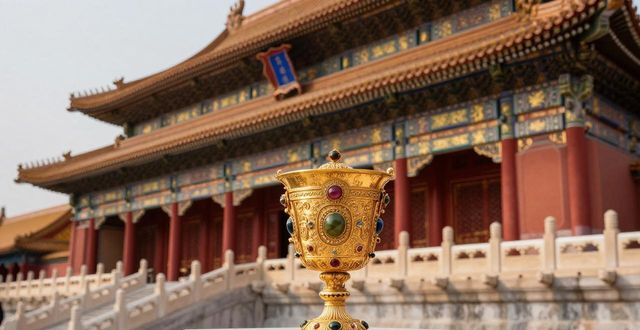
The Forbidden City in Beijing is not just an ancient palace complex—it is a living museum of imperial Chinese civilization, housing over 1.8 million artifacts. Among these, certain treasures stand out not only for their beauty but for the stories they carry across centuries. From bronze ritual vessels to intricate jade carvings, these objects reveal the artistic achievements and spiritual beliefs of China’s emperors. Understanding these treasures helps connect us to a world of power, faith,and craftsmanship that shaped East Asian history.
What makes the Forbidden City treasures unique

Unlike many other museum collections, the Foridden City’s holdings are deeply tied to the daily lives of emperors and their courts. These objects were not made for public display but for ritual ceremonies, personal enjoyment, and political symbolism. Take the Nine-Dragon Wall, for example. It is a stunning glazed tile screen that guards the Palace of Tranquil Longevity. Each dragon represents imperial authority and cosmic harmony, and the wall’s survival through fires and wars is nothing short of a miracle.
Another category that stands out is the imperial seals. Carved from precious stones like jade and soapstone, these seals were used to legitimize decrees. One of the most famous is the “Seal of the Qianlong Emperor,” a massive white jade stamp weighing over 100 kilograms. It was not just a functional tool but a statement of the emperor’s role as the Son of Heaven. The seals also feature inscriptions that blend calligraphy and Daoist symbolism, making them both historical documents and works of art.
Glassware and enamel pieces further illustrate the court’s obsession with foreign techniques. During the Qing dynasty, European missionaries introduced cloisonné and painted enamel methods. The Forbidden City’s collection includes intricately decorated vases and incense burners that combine Chinese motifs with Western craftsmanship. These pieces show how the palace was not isolated but actively engaged in global trade and cultural exchange.
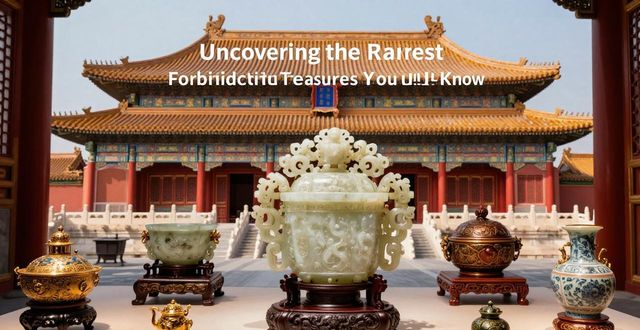
Where to see the most precious Forbidden City artifacts today
If you plan to visit the Forbidden City, you will find many treasures in the Palace Museum’s permanent exhibitions. The Hall of Jewelry houses the Empress Dowager Cixi’s personal ornaments, including a pearl-studded headdress and a jadeite cabbage with a grasshopper. This particular piece is famous for its lifelike carving and symbolism of fertility and prosperity. It is one of the most photographed items in the entire museum.
Another must-see is the Collection of Treasures Gallery, located in the Palace of Great Brilliance. Here you can view gold and silver utensils used in banquets, ritual objects made from rhinoceros horn, and rare porcelain from the Song and Ming dynasties. The delicate Ru ware ceramics are especially prized for their sky-blue glaze and simple elegance. Only about 70 pieces of this type exist worldwide, and several are kept here.
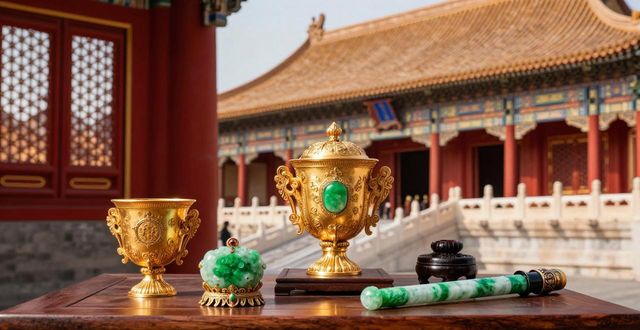
For those who cannot travel to Beijing, the museum has digitized many of its most important artifacts. You can explore 360-degree views of items like the Qing dynasty jade mountain carving, which depicts a mythical landscape with over a hundred figures. This digital access allows global audiences to appreciate the scale and detail of these objects without the crowds.
The Forbidden City’s treasures are more than historical curiosities—they are windows into a civilization that valued artistry, power, and continuity. Each object carries a piece of a story that still resonates today, inviting us to look closer and think deeper about what we inherit from the past.