
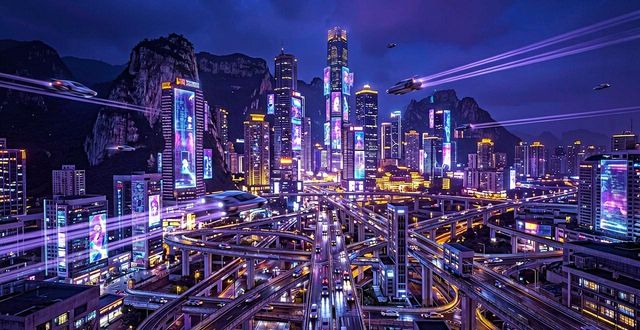
Chongqing’s skyline hits you like a scene straight out of Blade Runner. The city doesn’t just have neon lights and towering bridges—it lives and breathes a futuristic chaos that feels unreal. The hills, the rivers, the fog, and the architecture all collide to create a dense, vertical jungle that looks like it was designed for a sci-fi movie. When people talk about Cyberpunk architecture in Chongqing, they’re not just describing buildings—they’re talking about a whole urban experience that feels both dystopian and breathtaking.

What makes Chongqing architecture so cyberpunk
The first thing you notice is the layers. Chongqing is built on mountains, so nothing is flat. Roads run above each other, trains go through apartment buildings, and pedestrian bridges connect towers twenty stories up. This vertical stacking creates a sense of compressed chaos that defines the cyberpunk aesthetic. The city’s famous Liziba station is a perfect example—a monorail passing right through a residential tower. It looks like an architectural glitch, but it’s real. Add to that the fog that often settles over the city, and you get a hazy, moody atmosphere that makes every building look like it belongs in a dystopian future. The neon signs, the exposed steel structures, the crumbling older blocks next to gleaming skyscrapers—all of it plays into this visual identity. There’s no master plan trying to make it beautiful. It just grew wild, like a living organism. That rawness is exactly what attracts photographers, filmmakers, and travelers who want to see something that feels real and extreme.
Is the cyberpunk look intentional or accidental
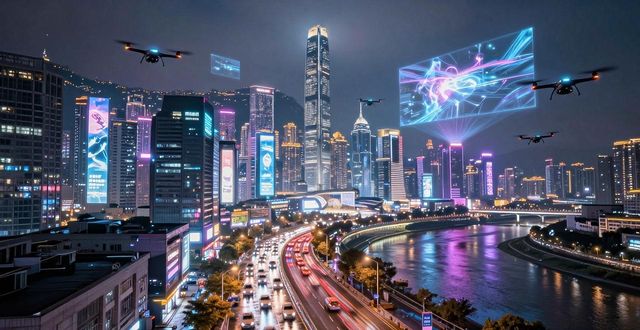
Here’s the thing—Chongqing didn’t try to look cyberpunk. It happened because of geography, rapid urbanization, and a lack of space. The city has limited flat land, so builders had to go up, and up, and then up some more. Bridges and tunnels became the only way to connect neighborhoods. The government didn’t design this for tourists. They just needed to house millions of people fast. So what you get is a mix of brutalist concrete blocks from the 90s, shiny glass towers from the 2000s,and random infrastructure that cuts through everything. That accidental collision of old and new, functional and flashy, is what creates the cyberpunk feeling. It’s not a theme park. It’s a real city that works in extreme ways. That’s why the architecture feels so honest. No one painted a mural to look futuristic. The future just happened here, messy and loud.
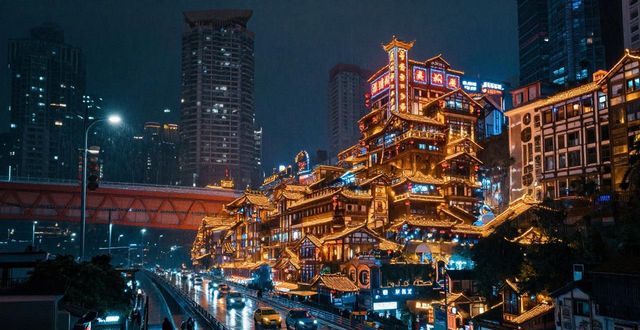
Chongqing’s architecture doesn’t need filters or special effects. It stands on its own, raw and overwhelming. If you walk through the streets at night, with rain on the pavement and neon reflecting off wet concrete, you won’t need a movie screen to feel like you’re in one. The city delivers that experience without trying.