
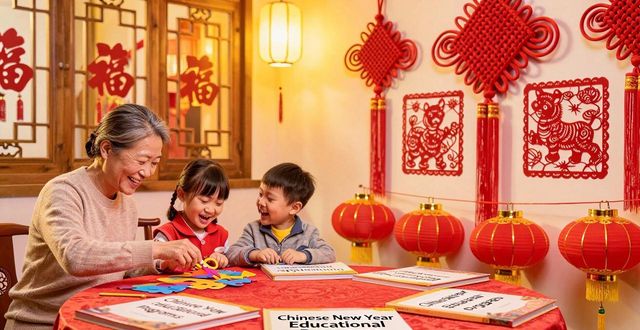
Chinese New Year educational programs are designed to help children and adults alike understand the rich traditions, history, and customs behind one of the most important festivals in Chinese culture. These programs often combine storytelling, crafts, music, and language lessons to make learning engaging and memorable. They are widely used in schools, community centers, and cultural institutions around the world to introduce non-Chinese audiences to the significance of the Lunar New Year.
How do Chinese New Year educational programs teach traditions
These programs break down complex cultural practices into simple, hands-on activities. For younger learners, teachers often start with the legend of Nian, a mythical beast afraid of loud noises and the color red. Kids then make red lanterns or paper cuttings, learning why these symbols matter. Older students might explore the zodiac animals, creating charts that match birth years with personality traits described in Chinese folklore.
Language components are also common. Participants learn basic greetings like “Xin Nian Kuai Le” and practice writing characters like “福” (good fortune). Some programs include calligraphy sessions where students try their hand at brush strokes. Cooking demonstrations or tasting sessions featuring dumplings, spring rolls, and rice cakes give a sensory experience of the holiday. A program I visited in Chicago even had a mock dragon dance where children held a fabric dragon and marched to drum beats,physically connecting with the tradition.

Where can families find Chinese New Year cultural lessons for children
Local libraries and museums often host free or low-cost educational events during the holiday season. For example, the Smithsonian’s Asian Art Museum offers online videos and printable activity sheets. Community centers in cities with large Chinese populations, like San Francisco or New York, organize weekend workshops led by native speakers or cultural experts. Schools sometimes partner with Chinese cultural associations to bring in guest speakers or set up exhibit tables.
Online platforms have expanded access dramatically. Websites like China Sprout sell lesson kits with books, stickers, and crafts. YouTube channels such as “Little Chinese Learners” provide animated videos explaining the New Year’s Eve dinner or the giving of red envelopes. For parents homeschooling their kids, searching for “Chinese New Year unit study” returns ready-made curricula that cover history, art, and even math using lunar calendar dates. The key is to pick programs that match the child’s age and attention span—preschoolers need more visuals, while teenagers can handle deeper discussions about cultural values like family reunion and respect for elders.