
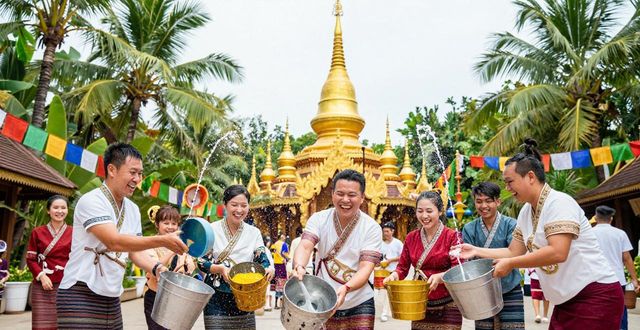
The Dai minority, one of China’s 55 officially recognized ethnic groups, is primarily found in the tropical region of Xishuangbanna in southern Yunnan. Their culture stands out for its deep connection to Theravada Buddhism, vibrant festivals, and unique water-based traditions. For travelers seeking authentic ethnic experiences,understanding the Dai way of life offers a rare glimpse into a world where spirituality and nature are perfectly intertwined.

What makes the Water Splashing Festival so important
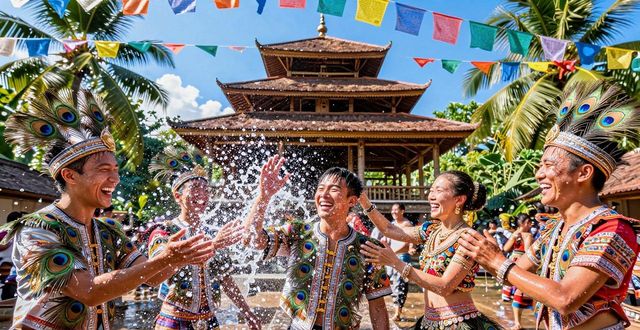
The Water Splashing Festival is the most iconic event in Dai culture, marking the Dai New Year. It usually falls in mid-April and lasts three to seven days. During this time, people pour water on each other as a symbol of washing away sins and bad luck. But there’s more to it than just splashing. The festival also includes dragon boat races, fireworks, and the release of lanterns into the sky. For visitors, participating in this festival is not just fun — it’s a chance to witness how the Dai people express gratitude to water, which they consider sacred and life-giving. Monks chant blessings, and locals prepare sticky rice and grilled fish for guests. If you plan your trip around this time, you will see the culture alive in its most joyful form.
How Buddhism shapes daily life among the Dai
Buddhism is not just a religion for the Dai — it is the backbone of their social and moral structure. Almost every village has a temple, often decorated with golden carvings and colorful murals. Young boys typically spend a few years as novice monks, learning to read Dai script and study Buddhist teachings. This tradition helps preserve their language and cultural knowledge. Women play a supportive role, preparing food for monks and maintaining the temple grounds. On full moon days, families gather at the temple to offer flowers and candles. Even casual travelers will notice the calm discipline that Buddhism brings to daily life. For instance, many Dai people avoid killing animals, and they greet each other with a respectful bow rather than a handshake. This spiritual layer makes a visit to a Dai village feel like stepping into a peaceful alternative world.