
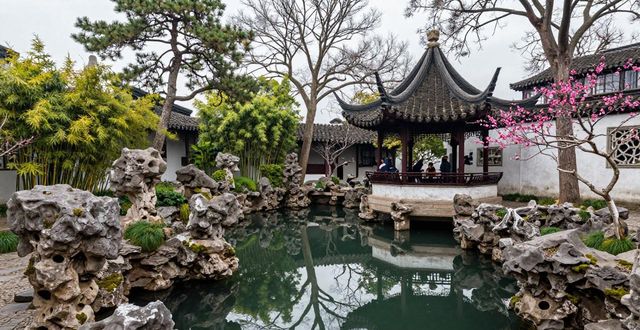
Classic Suzhou Gardens are among the most celebrated examples of Chinese landscape architecture. These gardens are not just about plants and rocks — they are carefully designed spaces that reflect harmony, balance,and artistic expression. For anyone visiting Suzhou, understanding a few key gardens can make the experience much more meaningful.
What makes Suzhou gardens so special

When people first visit a Suzhou garden, they often expect something like a Western botanical garden. The reality is very different. A Suzhou garden is a miniature world, where every element has a purpose. Water, rocks, pavilions, and plants are arranged to create a sense of natural beauty in a compact space. The goal is to make you feel like you are walking through a painting.
Take the Humble Administrator’s Garden, for example. It is the largest and most famous of the Suzhou gardens. The central pond takes up a large portion of the space, and everything else is built around it. Paths curve and twist, so you never see the whole garden at once. This element of surprise is intentional. The garden is designed to reveal itself slowly. Visitors often say they discover something new each time they go.
Another important detail is the use of borrowed scenery. Designers would incorporate views of distant pagodas or mountains into the garden’s composition. This technique makes the garden feel larger than it actually is. It is a clever trick that shows how deeply thoughtful the design process really was.
Which gardens should you visit first
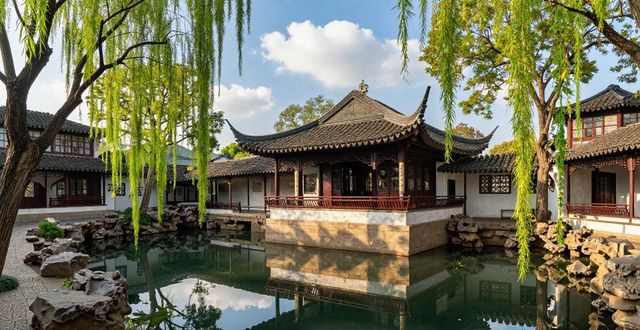
For first-time visitors, three gardens stand out as must-sees. The Humble Administrator’s Garden is the obvious starting point. It is large, well-maintained, and offers a complete picture of what a classic Suzhou garden looks like. Allow at least two hours to walk through it properly.
Next, the Lingering Garden is a great choice if you want to see how different styles of architecture and planting can coexist. It is smaller than the Humble Administrator’s Garden but more compact. The stone displays here are especially impressive. The famous Cloud-Capped Peak is a massive limestone rock that looks like a mountain in miniature. Many visitors spend a long time just staring at it.
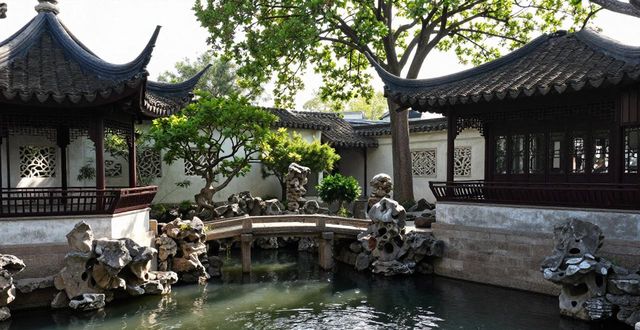
Finally, the Master of the Nets Garden is perfect if you are short on time. It is the smallest of the three but also the most refined. Every corner feels intentional. Because of its size, you can experience it in about 45 minutes. It gives you a concentrated dose of Suzhou garden beauty without the crowds.
Each garden offers a different experience. If you only have one day, start with the Humble Administrator’s Garden in the morning when it is less crowded, then visit the Lingering Garden after lunch, and finish with the Master of the Nets Garden in the late afternoon.