
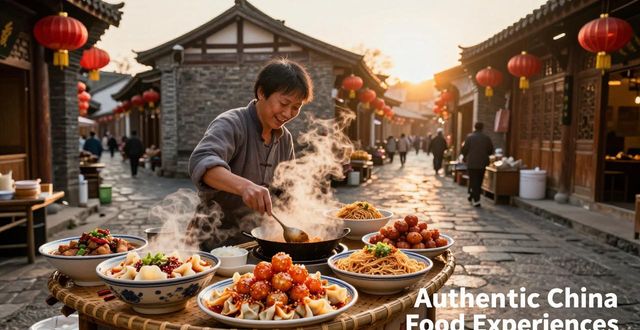
China food experiences go far beyond the takeout menus most foreigners know. They are about tasting street snacks in bustling night markets, sharing hotpot with new friends, and learning how to eat noodles without splashing soup everywhere. I have spent years traveling across different provinces,and I can tell you that each region offers something completely different. The key is to step out of your comfort zone and into the local food scene.
What are the must-try street foods in China

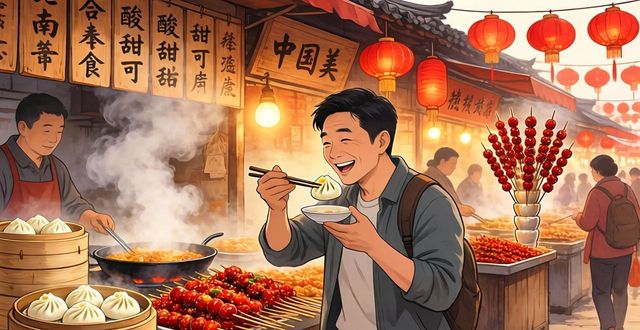
Street food is the soul of Chinese cuisine. In Beijing, you cannot miss jianbing, a crispy crepe filled with egg, scallions, and a spicy sauce, all wrapped around a crunchy fried cracker. It costs about 6 yuan and is eaten on the go for breakfast. In Chengdu, the air smells of chili and Sichuan pepper. Try cold noodles served with a tangy vinegar dressing and a heavy drizzle of chili oil. They are sold from small carts and always have a line of locals. Do not be afraid of the heat. Vendors usually ask how spicy you want it, so just say “wei la” for a mild kick.
Another experience you cannot skip is visiting a night market. Xi’an’s Muslim Quarter is packed with stalls selling lamb skewers grilled over charcoal, hand-pulled noodles in beef broth, and sweet persimmon cakes. The trick is to follow the crowd. If a stall has a long queue, join it. Locals know which vendors use fresh ingredients and secret spice blends. Eating street food is not just about the taste; it is about watching the chef work, smelling the smoke, and feeling the energy of the city around you.
How to order food without speaking Chinese
Many travelers worry about ordering, but it is easier than you think. First, most restaurants in tourist areas have picture menus. Point at the photo, hold up one finger for one portion, and smile. For street stalls, just look at what others are eating and point at their bowl. Nod when the vendor shows you the price on their phone. That is all it takes.
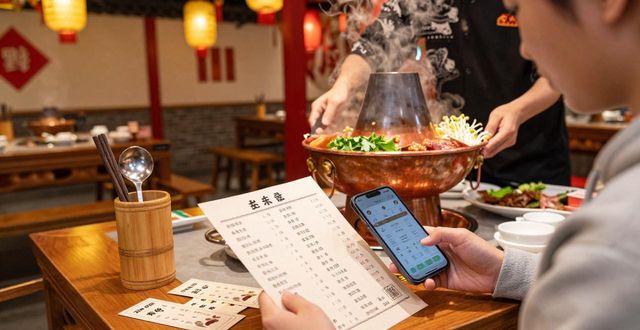
If you want to be more confident, learn three phrases: “zhe ge” meaning this one, “bu la” meaning not spicy, and “duo shao qian” meaning how much. These three will get you through any meal. In hotpot restaurants, you usually order by ticking boxes on a paper menu. Use a translation app to scan the Chinese characters. Most places now accept WeChat Pay or Alipay, so you do not need to carry much cash. Just make sure your phone has data. If you get stuck, younger locals often speak some English and are happy to help.
Eating in China is not complicated once you understand the rhythm. Meals are shared, dishes arrive one by one, and rice comes at the end or not at all. Noodles and dumplings are complete meals on their own. Do not expect bread or cheese unless you are in a Western-style cafe. Instead, embrace the variety. You will leave China with a new appreciation for flavors you never knew existed.