
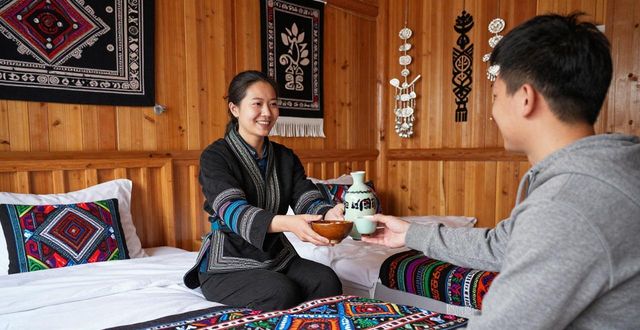
Living in a Chinese ethnic village homestay is not like staying in a hotel. You sleep in a wooden stilt house, eat meals cooked over an open fire,and wake up to roosters crowing in the misty mountains. The experience immerses you directly into the daily rhythms of minority cultures that have existed for centuries.
What is it like to sleep in a Miao or Dong village

Walking into a Miao village homestay feels like stepping into a living museum. The host family usually greets you with warm tea and sometimes a bowl of homemade rice wine. The rooms are simple but clean, with hand-embroidered bedding and wooden walls that carry the smell of pine. You might share a bathroom, but that is part of the authenticity.
Most ethnic village homestays in China are family-run. The grandmother might be weaving fabric on a loom in the courtyard, while the children run around with chickens. Dinner is often a communal affair where you sit on low stools and eat sour fish, sticky rice, and wild greens picked from the mountain that afternoon. No menu, no choice, just real food.
The real magic happens in the evening. If you are lucky, the villagers will gather in the square for a bonfire dance. You will hear the sound of lusheng pipes and see women in silver headdresses moving in long circles. This is not a performance for tourists. This is their life.
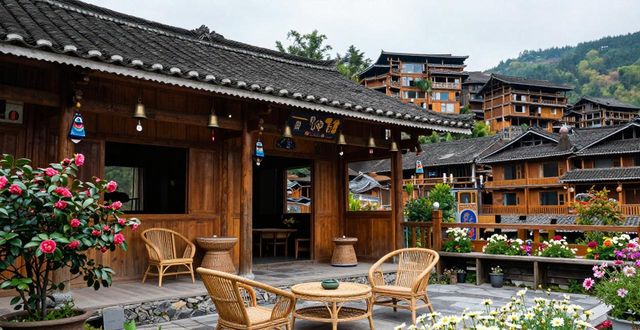
Why choose a homestay over a standard hotel
Many travelers ask me if it is worth the discomfort. The beds are hard, the walls are thin, and the Wi-Fi is weak. But that is exactly the point. A hotel in Guiyang or Kunming gives you comfort but no connection. A homestay in Zhaoxing Dong Village or Xijiang Miao Village gives you a window into a world that is disappearing fast.
You learn things no guidebook can teach. How to dye fabric with indigo plants. How to catch fish in rice paddies. How to greet an elder properly. The host family treats you like a guest, not a customer. They will walk you to the bus stop and wave until you disappear around the bend.
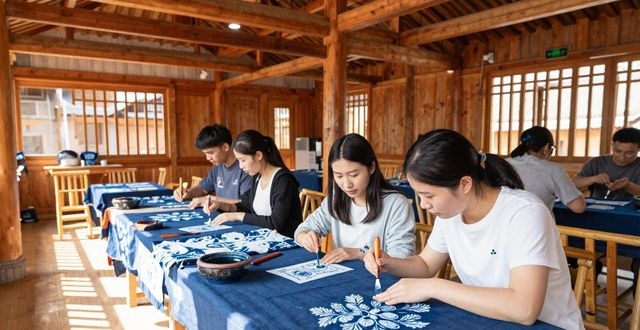
Some homestays also offer hands-on activities. You can learn batik printing, bamboo weaving, or even help cook traditional festival dishes. These memories last longer than any hotel room key.
Living in an ethnic village homestay in China is not a luxury vacation. It is a cultural exchange that changes how you see the world. The food is strange, the language is unfamiliar, and the toilet might be a squat pan. But the kindness of the hosts and the beauty of the mountains make it unforgettable.