
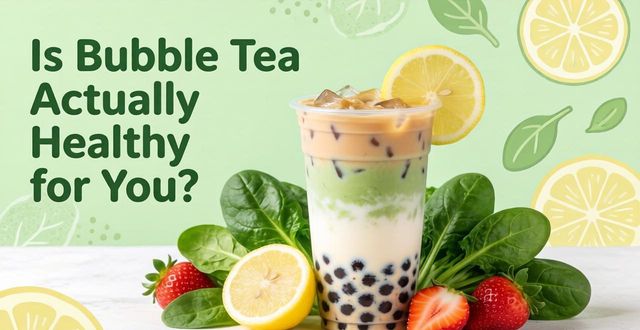
Milk tea has exploded in popularity across the globe, but most people don’t stop to think about what they’re actually drinking. Whether you call it bubble tea, boba, or simply milk tea, the drink is often seen as a sweet treat rather than a daily beverage. But behind the chewy tapioca pearls and creamy texture lies a complex mix of sugar, calories, and questionable ingredients. This article breaks down what milk tea really is, how it affects your body, and what you can do to enjoy it without the guilt.
What Is Milk Tea Really Made Of

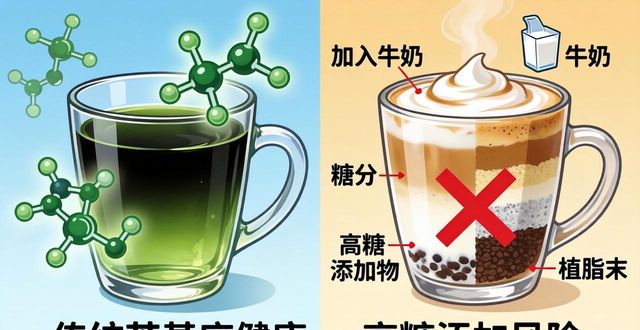
Traditional milk tea starts with black or green tea, which is actually quite healthy on its own. Tea contains antioxidants called catechins that help fight inflammation and support heart health. But the problem begins when you add milk, sugar, and flavorings. Most shops use non-dairy creamers or powdered milk bases that are loaded with trans fats and artificial additives. These ingredients are not the same as real milk and can spike your cholesterol levels.
Then there is the sugar. A standard 16-ounce milk tea with tapioca pearls can contain anywhere from 50 to 80 grams of sugar. That is two to three times the daily recommended limit for an adult. Your body absorbs this sugar quickly, causing a spike in blood glucose followed by a crash that leaves you tired and craving more sugar. Over time, this pattern can lead to weight gain, insulin resistance, and even type 2 diabetes.
The tapioca pearls themselves are mostly starch and sugar. They provide almost no fiber, protein, or vitamins. They are essentially empty calories that digest rapidly. So when you drink a full cup of milk tea, you are consuming a liquid dessert, not a beverage. That is fine as an occasional treat,but problematic if you drink it every day.
Can Milk Tea Fit Into a Healthy Diet
Yes, but you have to be smart about it. The biggest lever you can pull is controlling the sugar level. Most bubble tea shops let you choose how much sugar goes into your drink. Always ask for 30 percent sugar or even zero if you can handle it. Your taste buds will adjust after a few days, and you will actually start to taste the tea itself rather than just sweetness.
Another trick is to swap out the toppings. Tapioca pearls are the most popular choice, but they are also the least healthy. Consider asking for grass jelly, chia seeds, or aloe vera instead. These options have more fiber and fewer calories. Grass jelly, for example, is nearly zero-calorie and adds a nice texture without the sugar load.
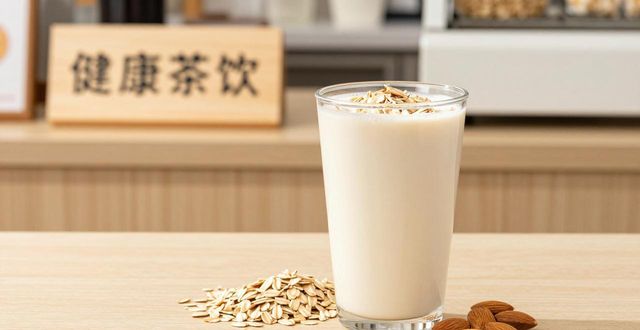
You can also choose a milk alternative. Request oat milk, almond milk, or soy milk instead of the standard non-dairy creamer. Real plant-based milks have fewer additives and better fat profiles. Some shops now offer organic or lactose-free options as well. Just be careful with flavored syrups like taro or matcha, as they often contain added sugars and artificial colors. Stick to plain milk tea with less sugar and a healthier topping, and you can enjoy it without wrecking your diet.
Milk tea is not poison, but it is not health food either. Enjoy it mindfully, treat it as a dessert, and make small swaps to keep it balanced. Your body will thank you.