
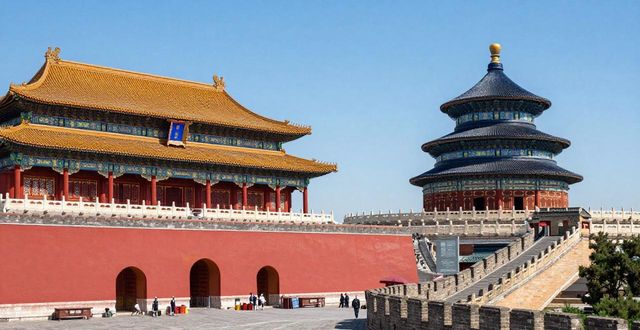
Beijing is a city where ancient history meets modern life, offering visitors a unique glimpse into China’s imperial past. The historical sites scattered across the capital tell stories of dynasties, emperors, and cultural traditions that have shaped the nation. For any traveler seeking to understand China beyond its skyscrapers and bustling streets, these landmarks are an essential part of the journey.
What makes the Forbidden City a must-see

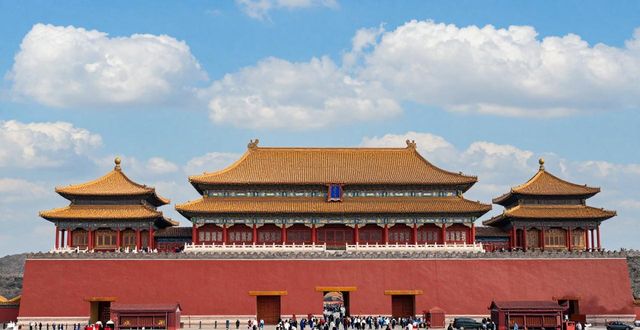
The Forbidden City sits at the heart of Beijing, a sprawling palace complex that served as the home of emperors for nearly 500 years. Walking through its massive gates, you step into a world of red walls, golden roofs, and intricate courtyards that once were off-limits to common people. The scale alone is staggering—over 980 buildings spread across 72 hectares. But what truly captivates visitors is the attention to detail in every hall and garden. The Hall of Supreme Harmony, where emperors held court, still exudes an air of authority that makes you feel the weight of history. Many tourists spend hours exploring the countless halls and exhibits, yet still feel they’ve only scratched the surface. If you’re short on time, focus on the central axis, which covers the main highlights without overwhelming you.
How the Great Wall fits into Beijing travel
No trip to Beijing is complete without a visit to the Great Wall, though many travelers underestimate the distance and effort involved. The wall stretches over 13,000 miles, but the sections closest to Beijing, like Mutianyu and Badaling, are the most accessible for day trips. Mutianyu offers a quieter experience with fewer crowds and stunning views of the surrounding mountains. You can either hike the steep steps or take a cable car up, then slide down a toboggan for a bit of fun. The Great Wall is not just a wall; it’s a testament to ancient engineering and the determination of millions of workers who built it over centuries. Standing on its watchtowers, looking out at the endless hills, you realize why it’s considered one of the world’s greatest wonders. Just remember to wear comfortable shoes and bring water, because the climb is no joke.
Why the Temple of Heaven reveals local life
The Temple of Heaven offers a different kind of experience, blending imperial ritual with everyday Beijing life. This complex was where emperors prayed for good harvests, and its design reflects a deep connection between heaven and earth. The circular Hall of Prayer for Good Harvests is an architectural marvel, built entirely without nails. But what surprises many visitors is the park surrounding the temple. Early in the morning, you’ll find locals practicing tai chi, playing traditional instruments,or flying colorful kites. It’s a living snapshot of Beijing’s culture that no museum can replicate. Watching elderly couples dance gracefully under ancient trees gives you a sense of the city’s soul beyond the tourist brochures. The Temple of Heaven is also a great spot for photography, especially at sunset when the light softens the blue tiles of the main hall.
Beijing’s historical sites are not just relics behind glass—they are places where past and present coexist. Whether you’re marveling at the grandeur of the Forbidden City, conquering the Great Wall, or simply enjoying a quiet morning at the Temple of Heaven, each site offers a unique window into a civilization that continues to inspire. Pack your curiosity and a good pair of walking shoes; the journey through time awaits.