
When you step into a Chinese culture experience, you are not just visiting a country; you are entering a world built on thousands of years of history, philosophy, and social ritual. For many international visitors, this feels both fascinating and overwhelming. The goal of experiencing Chinese culture is to connect with its living traditions—not just see them from a bus window. You want to feel the texture of daily life, taste the logic behind the food, and understand why certain gestures matter so much.
What does a real Chinese culture experience look like

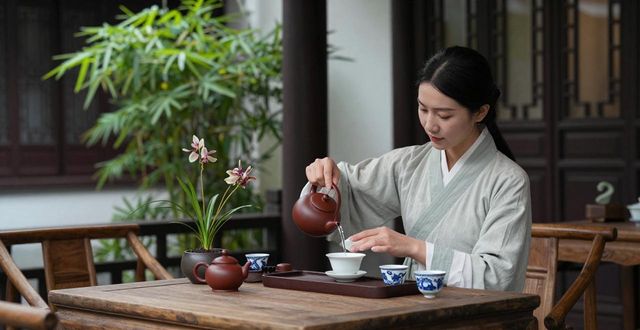
Many travelers ask what makes this experience authentic. It is not about finding the most famous temple or the longest wall. A real Chinese culture experience often starts with tea. Sitting in a local tea house in Chengdu or Hangzhou, you watch how water is poured with purpose. The host does not rush. The conversation flows around the leaves, the water temperature, and the season. This is not a performance; it is a lesson in patience and respect.
Another layer is food. But not just eating—cooking. Joining a home kitchen session in a village near Yangshuo or Xi’an changes your perspective. You learn why dumplings are folded a certain way, or why balance of flavors matters more than spiciness. The grandmother teaching you might not speak English, but her hands tell the story. This is where the culture becomes real, not theoretical.
How to prepare for a Chinese culture experience without feeling lost
Preparation helps, but not in the way you might think. Reading about Confucius or the Silk Road gives background, but the real key is attitude. Leave your schedule loose. Many foreigners feel anxious about not knowing the language, but locals appreciate effort over perfection. Learn one phrase: “Thank you for teaching me.” It opens doors.

For practical steps, choose one region. China is huge. Trying to see everything ruins the depth. Focus on Yunnan for ethnic diversity, or Shandong for Confucian roots. Also, expect discomfort. The squat toilet, the noise, the crowds—these are part of the experience. If you resist them, you miss the point. A Chinese culture experience is not a clean museum exhibit; it is lived,messy, and loud.
The heart of it is connection. You might sit in a park in Beijing and watch older people practice calligraphy with water on the ground. No one sells you a ticket. No one explains it. But if you stand long enough, someone will hand you a brush. That moment—unplanned, unscripted—is the culture. You are not observing it; you are part of it.