
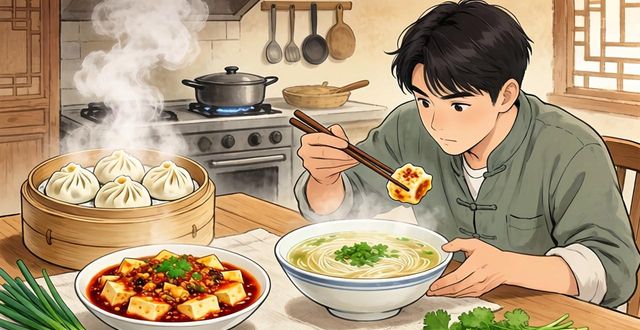
China is a country where food is not just about eating—it’s about culture, history, and connection. For many foreigners, the idea of Chinese food often comes from takeout menus or local adaptations in their home countries. But the real discovery begins when you step into the streets of Beijing, Chengdu, or Guangzhou. The diversity of flavors, ingredients, and cooking techniques is staggering, and understanding this world can be both exciting and overwhelming.

What makes China food discovery special for beginners
If you’re new to Chinese cuisine, the sheer variety can feel like a maze. But the beauty of food discovery in China lies in its regional differences. Northern China loves wheat-based dishes like noodles and dumplings, while the south leans toward rice and seafood. Sichuan is famous for its fiery mala spice, but Cantonese food focuses on freshness and subtlety. The key is to start with one region at a time. For example, try a bowl of Lanzhou pulled noodles for a taste of the northwest,or sample xiaolongbao (soup dumplings) from Shanghai to experience delicate precision. Don’t be afraid to ask locals for recommendations—many small family-run shops serve dishes that never appear on tourist menus. Street food is also a fantastic entry point: grilled skewers, jianbing (savory crepes), and stinky tofu offer quick, affordable bites that pack a punch of flavor. Just remember that the real discovery happens when you eat with an open mind, not just with your eyes.
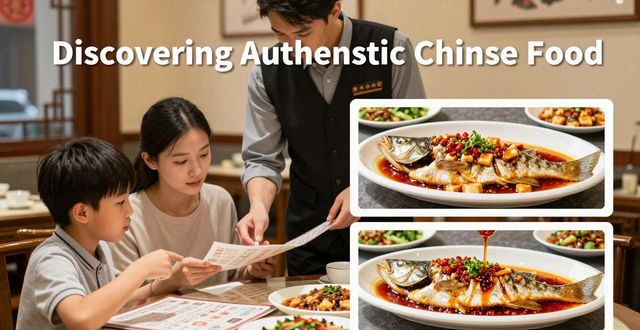
Common mistakes to avoid when exploring Chinese food
One of the biggest barriers to China food discovery is relying on familiar dishes. Many travelers order kung pao chicken or fried rice thinking they know what to expect, but the versions in China are often very different from what they’re used to. The local kung pao chicken, for instance, is numbingly spicy and loaded with Sichuan peppercorns, not sweet and mild. Another mistake is ignoring the importance of condiments. In China, tables are often set with vinegar, chili oil, and soy sauce, and learning to mix them properly can transform a meal. Also, don’t skip the vegetables—stir-fried greens like gailan or water spinach are simple but essential parts of a balanced Chinese meal. Finally, be cautious about spicy food if you have a weak stomach. Start with milder dishes like steamed fish or braised pork, and gradually work your way up to the more intense flavors. The goal is to enjoy the journey, not just survive it.
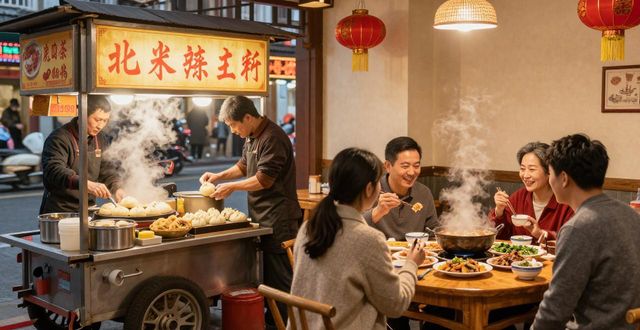
China food discovery is not a one-time event. It’s a gradual process of tasting, learning, and falling in love with dishes you never knew existed. Whether you’re eating from a cart on a busy street or sitting in a family-run restaurant, every meal tells a story. So pack your curiosity, leave your expectations behind, and let your taste buds lead the way. The real China is waiting for you at the dinner table.