
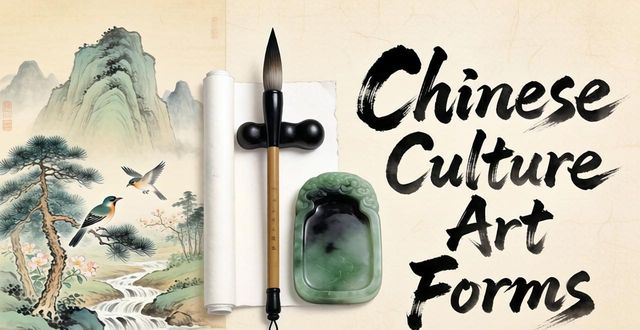
If you’re new to Chinese culture, you might have heard about its art forms but aren’t sure where to start. Chinese culture art forms are not just ancient traditions—they are living practices that still shape daily life, festivals, and even modern entertainment. From brush strokes to opera masks, each form tells a story of philosophy, history, and craftsmanship. Let’s walk through the most iconic ones in a way that’s easy to understand.
What makes Chinese painting and calligraphy so unique

Chinese painting and calligraphy are often grouped together because they use the same tools: brush, ink, rice paper, and inkstone. But they serve different purposes. Calligraphy is the art of writing characters beautifully, and it’s considered the highest form of visual art in China. A skilled calligrapher doesn’t just write words—he or she captures the energy, mood, and rhythm of the moment. Even if you can’t read Chinese, you can feel the emotion in the strokes.
Chinese painting,on the other hand, focuses on capturing the spirit of a subject rather than realistic details. Landscape paintings, for example, often leave large areas blank to suggest mist or water. This approach comes from Daoist and Buddhist ideas about nature and emptiness. Many foreigners find this style refreshing because it invites imagination. You don’t need to know everything about the culture to appreciate the peaceful feeling these paintings create.
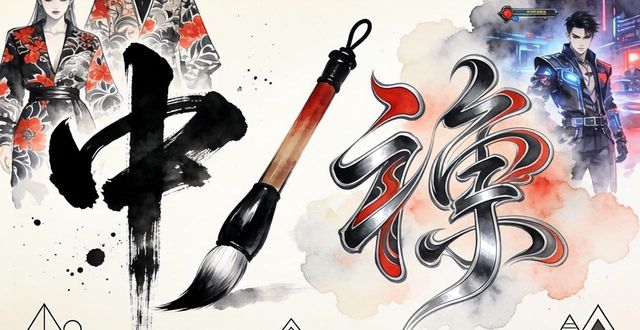
In modern times, both calligraphy and painting have influenced global art and design. You’ll see Chinese brush techniques used in tattoos, fashion prints, and even video game backgrounds. So learning about these forms isn’t just about history—it’s about understanding a visual language that still inspires creators today.
How Chinese opera and paper cutting tell stories without words
Chinese opera is not what most Westerners expect from a theater show. It combines singing, acrobatics, martial arts, and symbolic costumes. Each color on the face mask has a meaning: red for loyalty, white for cunning, black for bravery. You don’t need to understand the language to follow the plot—the movements and facial expressions are exaggerated to make emotions clear. Peking opera is the most famous type, but there are hundreds of regional styles, each with its own dialect and music.
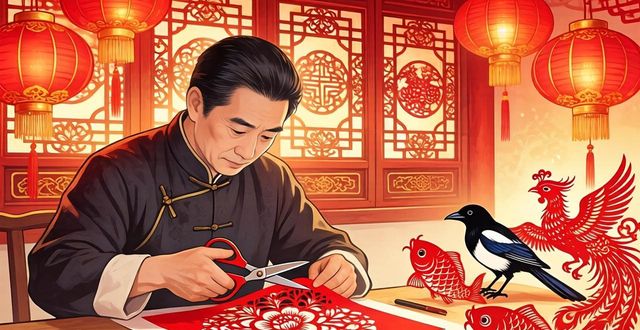
Paper cutting is another art form that communicates without words. Artists cut intricate designs from a single sheet of paper, often featuring animals, flowers, or Chinese characters. These are not just decorations. During festivals like Chinese New Year, paper cuttings are placed on doors and windows to bring good luck and ward off evil spirits. For a foreign audience, paper cutting can be a great entry point because it’s visual, affordable, and easy to try at home with just scissors and paper.
Both opera and paper cutting show how Chinese culture art forms are deeply connected to everyday life and beliefs. They are not locked in museums—they are performed in village squares, hung in homes, and taught in community classes. If you ever get a chance to watch a live opera performance or take a paper cutting workshop, don’t hesitate. You’ll experience a side of China that no documentary can fully capture.