
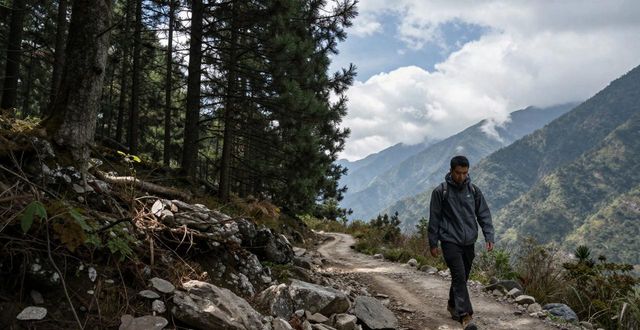
If you are looking for an off-the-beaten-path adventure,hiking remote China mountains offers an experience unlike any other. These trails take you far from tourist crowds, into rugged landscapes where ancient cultures and untouched nature still thrive. The real appeal lies not just in the physical challenge, but in the raw beauty and isolation you can find only in China’s lesser-known ranges.
What makes remote mountains in China different from popular trails

The first thing you notice when hiking remote China mountains is the absence of infrastructure. There are no cable cars, no souvenir shops, and often no marked paths. You rely on local guides, paper maps, or GPS devices. The trails are narrow, sometimes disappearing into thick forest or rocky scree. This demands a higher level of fitness and self-sufficiency. But that is exactly what attracts seasoned trekkers.
The landscapes are dramatically varied. In the far west, you might walk through alpine meadows beneath snow-capped peaks in Xinjiang’s Tian Shan range. Further south, in Yunnan’s Three Parallel Rivers area, you cross deep gorges and dense bamboo forests. Unlike famous destinations like Zhangjiajie or Huangshan, these places see only a few hundred hikers each year. You will often have entire valleys to yourself. The silence is profound, broken only by wind or the distant call of a bird.
Another difference is the cultural layer. Many remote mountains are home to ethnic minority groups who have lived there for centuries. You might pass through a Naxi village in the morning and share tea with a Tibetan herder in the afternoon. These encounters are genuine, not staged for tourists. They give your hike a deeper meaning, connecting you to a way of life that remains unchanged.
How to prepare for a remote mountain hike in China
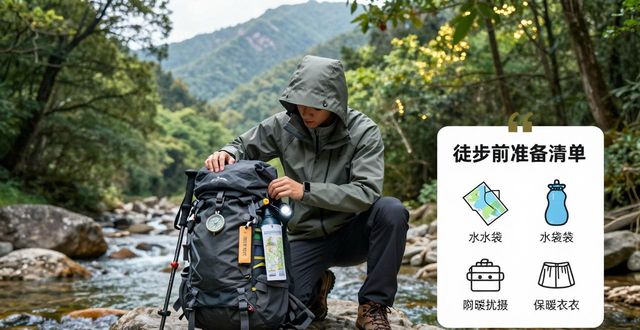
Preparation is the key to a safe and rewarding trip. First, you need to research the specific region. China’s remote mountains vary greatly in climate and difficulty. The Hengduan Mountains in Sichuan are known for unpredictable weather and high altitude. The Qilian range in Gansu offers dry, rocky terrain with fewer water sources. Check recent reports from other hikers and consult with local trekking agencies.
Gear selection matters more than usual. Since you may not see a town for several days, bring a reliable tent, a warm sleeping bag rated for below-freezing temperatures, and a portable stove. Water purification tablets or a filter are essential. Many remote areas have streams, but you cannot assume they are safe to drink. Pack high-energy food that is lightweight, like nuts, dried meat, and energy bars. Leave no trace principles are important, as these fragile environments have little capacity to handle waste.
Language and permits are another consideration. In remote regions, English is rarely spoken. Learning a few basic phrases in Mandarin or the local dialect helps. Some areas, especially near borders or nature reserves, require special permits. For example, hiking in the K2 base camp region of Xinjiang needs a permit from the local mountaineering association. Start the paperwork at least a month in advance. Also, inform someone of your itinerary and expected return date. Cell service is unreliable, so a satellite phone or personal locator beacon is a wise investment.
Finally, respect local customs and regulations. Some mountains are considered sacred by local communities. Avoid climbing peaks that are off-limits or disturbing religious sites. Always hire local guides when possible. They know the terrain, weather patterns, and emergency routes. Their knowledge not only keeps you safe but also supports the local economy. Hiking remote China mountains is not just a physical journey; it is an exchange of trust between you and the people who call these places home.