
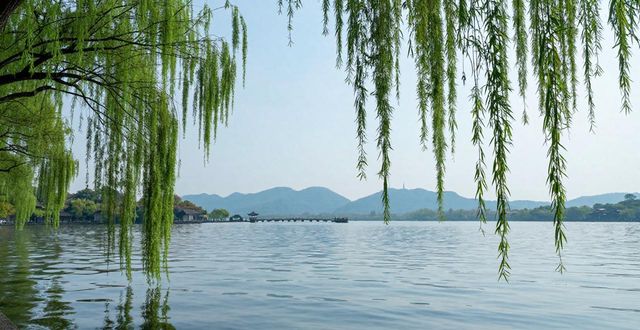
When you think of Hangzhou, one image likely comes to mind: the graceful, drooping willows lining the shores of West Lake. These trees are not just background scenery; they are the very soul of the lake, shaping its gentle, poetic atmosphere for centuries. Willows and West Lake are inseparable, creating a living painting that shifts with the seasons and has inspired countless poets, artists, and travelers.
Why West Lake willows attract so many visitors every year

The appeal of West Lake willows goes far beyond simple greenery. For international travelers,the first thing you notice is how these trees frame the lake. They soften the edges of the ancient bridges, pagodas, and causeways, turning hard stone into something dreamy. The most famous spot is the Su Causeway, where willows and peach trees are planted side by side. In spring, the pink blossoms contrast with the pale green willow leaves, creating a color palette that feels almost surreal. Many visitors stop here just to breathe in the air and watch the branches dip into the water.
There is also a deep cultural layer to these trees. In Chinese poetry, willows symbolize parting and longing, because the word for willow sounds like the word for “stay.” For centuries, friends would break a willow branch as a farewell gesture by the lake. Walking along the shore today, you are tracing the same paths walked by ancient scholars and emperors. This sense of continuity, of walking through history, is part of what makes the experience so memorable for foreign tourists. It is not just a park; it is a living museum of emotion.
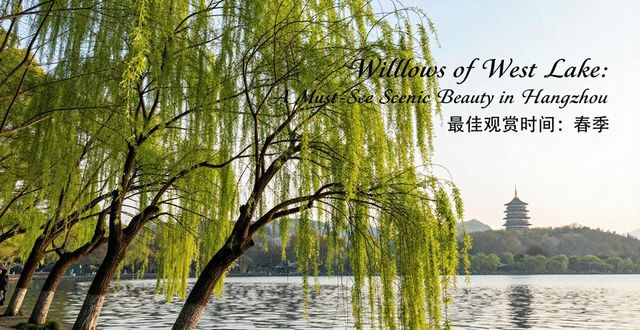
How to time your visit for the best willow views
Timing matters a lot when you want to see West Lake willows at their peak. The best season is late March to early April. During this window, the willows have just fully leafed out, showing a fresh, almost luminous green that photographs beautifully. The weather is mild, and the famous spring rain sometimes creates a mist over the lake, which makes the willow branches look even more delicate and painterly. Early morning light, around 6:30 to 7:30 AM, is ideal because the crowds are thin and the light is soft.

Avoid summer afternoons if you can. The sun beats down hard, and the willows look tired, their leaves dusty and limp. Winter has its own stark charm, but the bare branches are less impressive for most first-time visitors. Another practical tip: walk the northern shore, from the Broken Bridge to the Solitary Hill. This stretch offers the most iconic willow views without the heavy tourist congestion you find at the southern sections. Take your time, sit on a bench, and just watch the branches sway. That stillness is something you will remember long after you leave Hangzhou.