
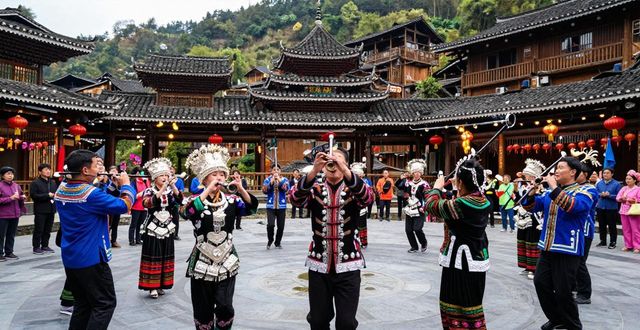
Nestled among the misty mountains of southwest China, the Miao villages of Guizhou offer a profound journey into a living cultural heritage. More than just picturesque scenery, these communities embody centuries-old traditions, intricate craftsmanship, and a resilient way of life that continues to thrive. For travelers seeking authenticity beyond the well-trodden paths, exploring these villages provides a rare window into the soul of China’s ethnic diversity. The experience is one of genuine connection, where ancient customs are part of daily life, not performances for tourists. This article delves into the heart of these communities, guiding you through their cultural essence, the art of sustainable travel, and practical insights for an unforgettable visit.
What makes Miao villages in Guizhou so culturally unique
The cultural uniqueness of these villages stems from a deep, unbroken connection to ancestral traditions. In places like Xijiang and Langde, you witness a world where language, dress, and festivals are not relics but active components of identity. The Miao people are master artisans, and their skills are on full display. Women often spend years embroidering elaborate patterns that tell family stories and myths onto their vibrant clothing, using techniques passed down through generations.

This cultural richness is most palpable during festivals. Events like the Miao New Year or the Lusheng Festival transform villages into hubs of music, dance, and communal celebration. The sound of the lusheng, a traditional reed pipe instrument, echoes through the valleys,accompanying intricate silver-adorned costumes that can weigh over ten kilograms. Visiting during such a time is immersive, but even on an ordinary day, the rhythm of life—from farming the terraced fields to communal gatherings—reflects a harmonious relationship with nature and community.
How to travel responsibly in Guizhou’s Miao communities
Responsible travel is paramount to preserving the delicate fabric of these communities. The key is to approach with respect and a learner’s mindset. Before visiting, take time to understand basic local customs. For instance, it is polite to accept offers of food or homemade rice wine, as it signifies hospitality. Always ask for permission before taking photographs of individuals, especially the elders, whose portraits carry deep personal and cultural significance.
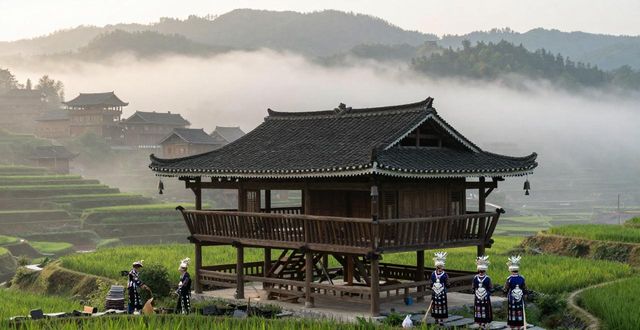
Supporting the local economy directly is one of the best ways to ensure your visit is beneficial. Opt for homestays run by local families over standard hotels. Purchase handicrafts like batik textiles or silver jewelry directly from the artisans in their workshops or village markets. This not only provides a fair income but also helps sustain the crafts themselves. Be mindful of your environmental impact by carrying out any waste and conserving resources, as these villages often exist in delicate ecosystems.
What to know before visiting a Miao village in Guizhou
Practical preparation greatly enhances the experience. Access to many villages involves travel on winding mountain roads. While major villages like Xijiang are well-connected, others require more effort, often involving buses or hired drivers from cities like Kaili or Guiyang. The terrain is hilly, so comfortable walking shoes are essential for exploring stone-paved paths and terraced fields.
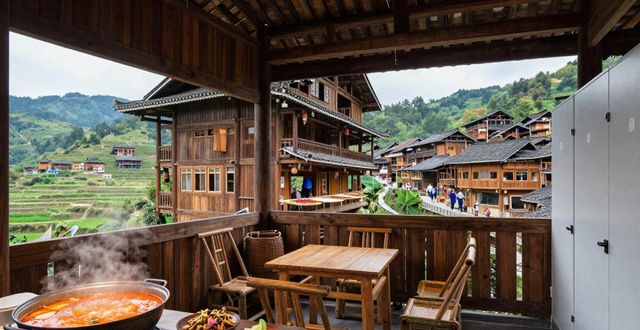
Accommodation varies widely. While basic homestays offer incredible cultural immersion, they may have shared facilities and limited hot water. Pack accordingly. The local cuisine is a highlight, featuring sour soups, pickled vegetables, and glutinous rice dishes, but it can be spicy and unfamiliar. Come with an adventurous palate. Finally, while younger generations may speak some Mandarin, learning a few basic phrases in the local Miao dialect or carrying a translation app can bridge gaps and show respect, opening doors to more meaningful interactions.
The journey to Guizhou’s Miao villages is more than a trip; it’s an engagement with a living culture. It challenges the passive sightseeing model, inviting travelers to listen, learn, and participate with humility. The memories forged here are not just of stunning landscapes but of shared meals, skillful hands at work, and the enduring spirit of a people who have preserved their world against the tides of time. To visit is to carry a piece of that spirit forward, with a renewed understanding of what it means to be part of our diverse human family.