
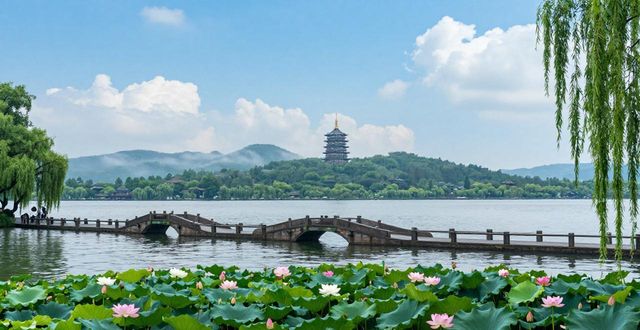
The iconic West Lake in Hangzhou is adorned with a network of elegant bridges that are far more than mere crossings. These structures, steeped in history and poetic allusion, form an integral part of the lake’s landscape and cultural soul. For a foreign visitor, understanding these bridges transforms a scenic walk into a journey through Chinese art, philosophy, and legend. They are not just points on a map but chapters in the story of a city that has long celebrated harmony between humanity and nature.
What are the most famous bridges on West Lake
The fame of West Lake bridges is often tied to specific vistas and historical tales. The Broken Bridge, or Duan Qiao, is arguably the most legendary. Contrary to its name, it is not broken; the name originates from a poetic winter scene where snow melts first on the bridge, making it appear “broken” from a distance. It is also the setting for China’s most famous folk tale, The Legend of the White Snake, where the immortal lovers first meet. Equally celebrated is the Nine-Turn Bridge at the Su Causeway, a zigzagging wooden walkway offering ever-changing views of the lake, lotus ponds, and distant hills. It is a masterpiece designed to slow one’s pace and encourage contemplation.
Another essential crossing is the Bridge of the Autumn Moon on the Bai Causeway. This single-arch stone bridge provides the classic vantage point for admiring the “Autumn Moon over the Calm Lake,” one of the Ten Scenes of West Lake. At night, especially during the Mid-Autumn Festival, the moon’s reflection shatters into a thousand pieces on the water beneath the bridge, creating a scene of profound tranquility. These bridges are destinations in themselves, each framing the landscape like a living painting.
How to explore West Lake bridges on a walking tour
A well-planned walking tour is the best way to appreciate the bridges’ nuances. Start at the northeastern corner of the lake at the Broken Bridge. From there, walk south along the Bai Causeway, a dike lined with willow and peach trees, crossing several small, elegant arches like the Bridge of the Autumn Moon. This path leads directly to the Solitary Hill. After exploring the island, head to the Su Causeway,a longer, north-south dike built by the poet-governor Su Dongpo. Here, you will encounter the picturesque Nine-Turn Bridge and the equally charming Xiling Bridge.

For a less crowded experience, consider the Yanggong Causeway on the lake’s western side. Its bridges, such as the Jinsha and Huanbi Bridges, are simpler in design but offer serene, pastoral views towards the tea fields and forests. Allow at least half a day for a leisurely pace. Wear comfortable shoes, carry water, and don’t rush. The joy lies in pausing on each bridge, observing the play of light on the water, and watching locals fish, practice tai chi, or simply enjoy the view.
What is the historical significance of West Lake bridges
The bridges of West Lake are chronicles of the city’s development and aesthetic ideals. Many were constructed or renovated during the Tang and Song dynasties, periods when Hangzhou was a capital and a center of unparalleled cultural refinement. The Bai and Su Causeways, with their integrated bridges, were massive public works projects initiated by beloved poets Bai Juyi and Su Dongpo when they served as prefects. These structures controlled water levels, facilitated transport, and beautified the lake, embodying the Confucian ideal of benevolent governance.
Furthermore, the bridge designs reflect deep Daoist and Buddhist influences. The zigzag pattern of the Nine-Turn Bridge is said to ward off evil spirits, which were believed to travel only in straight lines. The circular arches mirror the moon, a symbol of completeness and tranquility in Chinese philosophy. Each bridge was intentionally placed to create a specific “scene” or “frame,” a practice rooted in classical Chinese landscape painting, where human-made elements harmonize with, rather than dominate, the natural world.
Why are West Lake bridges important for photography
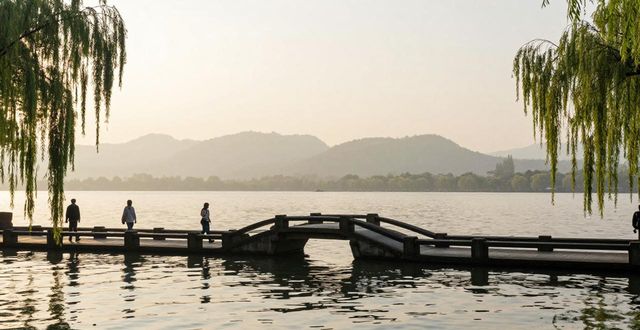
For photographers, the bridges provide indispensable structure, leading lines, and focal points within the vast, soft scenery of the lake. They offer a way to compose a shot that balances water, sky, mountains, and foliage. The Broken Bridge is perfect for capturing the contrast between its solid white form and the liquid surface of the lake, especially with the backdrop of Solitary Hill. The arches of the smaller stone bridges create natural frames, perfect for focusing on a distant pavilion or a boat gliding past.
The best times for photography are during the “blue hour” at dawn and the golden light before sunset, when the warm glow illuminates the stonework and casts long shadows. Foggy or lightly rainy days can also produce ethereal, misty images that resemble ancient ink wash paintings. The changing seasons bring different canvases: pink peach blossoms against the bridges in spring, lush green lotuses in summer, golden ginkgo leaves in autumn, and the rare, poetic “Broken Bridge残雪” scene in winter after a snowfall. A patient photographer will find that each bridge tells a different visual story with the shifting light and weather.