
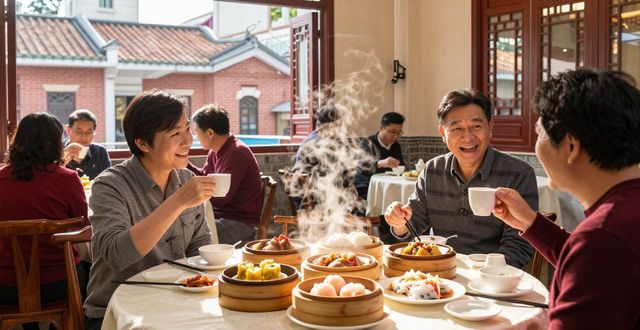
Cantonese dim sum, and Guangzhou‘s rendition in particular, stands as one of the world’s most beloved and intricate culinary traditions. Originating in the teahouses along the Silk Road and evolving over centuries in Guangdong province, dim sum is more than just a meal; it is a social ritual of sharing small, delicate dishes alongside fragrant tea. For visitors to this vibrant southern Chinese metropolis, exploring its dim sum scene is an essential journey into the heart of Cantonese culture, craftsmanship, and community life. Its history is a tapestry woven with trade, innovation, and the relentless pursuit of flavor.
How to experience authentic dim sum in Guangzhou

The classic dim sum experience in Guangzhou is inseparable from its traditional tea houses or “Yum Cha” restaurants. Atmosphere is key here. The best places are often bustling, noisy, and full of families spanning multiple generations. Don’t seek quiet sophistication; embrace the lively, communal energy. Servers push heated trolleys laden with bamboo steamers, and you simply point to what looks good. This method is the most authentic and allows for spontaneity. Mastering the silent tea-pouring etiquette—tapping two fingers on the table to thank the person pouring—is part of the cultural immersion. This ritual connects you to the local way of life.
Where to find the best dim sum restaurants in Guangzhou
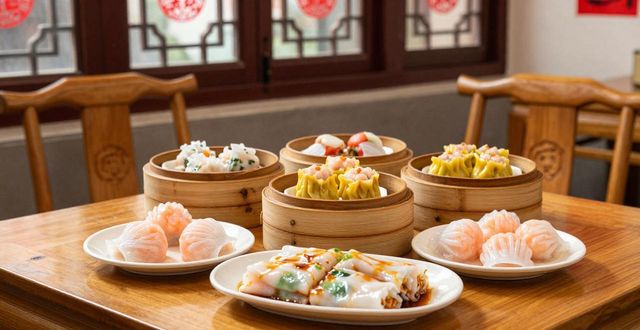
Finding the best dim sum is an adventure. For over a century, established names like Panxi Restaurant and Lianxiang Lou have set the standard for classic, time-honored recipes. Their shrimp dumplings (har gow) have translucent, delicate wrappers, and their barbecue pork buns (char siu bao) are fluffy and perfectly sweet. For a more modern but equally celebrated experience, restaurants such as Tao Tao Ju or Bing Sheng offer innovative takes and a refined environment. Do not overlook the unassuming, packed neighborhood eateries discovered by following the locals. The highest praise for a dim sum restaurant is not a Michelin star, but the sight of elderly regulars enjoying their morning routine.
What are the must-try dim sum dishes in Guangzhou
Beyond the universally known staples, Guangzhou offers specialties that define its culinary identity. Start with the classics: the aforementioned har gow and char siu bao are non-negotiable. However, venture further. “Phoenix Claws” (Fung Zao), or braised chicken feet, are a textural delight, savory and gelatinous. “Shao Mai” (Siomai), open-topped pork and shrimp dumplings crowned with crab roe, showcase the art of meat preparation. For a unique taste, try turnip cakes flavored with Chinese sausage or the exquisite “Cheong Fun,” silky rice noodle rolls filled with beef or shrimp, served with a light soy blend. Egg tarts provide the perfect sweet, flaky conclusion.
How does dim sum reflect Cantonese culinary philosophy
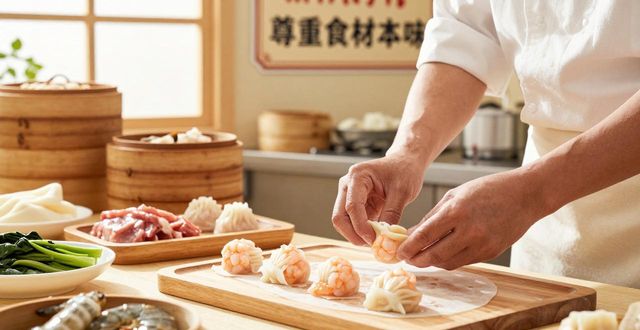
The careful preparation and presentation of dim sum reflect the broader Cantonese culinary principle of respecting and enhancing the natural flavors of fresh, high-quality ingredients. Dim sum masters are artisans. The thinness of a dumpling wrapper, the balance of sweet and savory in a filling, the precise steaming time—all are calibrated to create harmony. There is minimal reliance on heavy sauces or spices. It is a cuisine of subtlety and finesse, where the skill lies in the technique rather than the application of intense flavors. This philosophy extends to the dining experience itself, which is designed for shared enjoyment and unhurried conversation.
To indulge in Guangzhou’s dim sum is to participate in a living heritage. Each delicate parcel carries a legacy of skill, and each bustling tea house serves as a modern-day community hub. It is an accessible,sensory-rich portal into the soul of Cantonese culture. For travelers, making time for a truly local “Yum Cha” is not merely a meal break; it is an unforgettable chapter in the story of their Guangzhou journey. The experience remains a cherished memory of taste, tradition, and togetherness.