
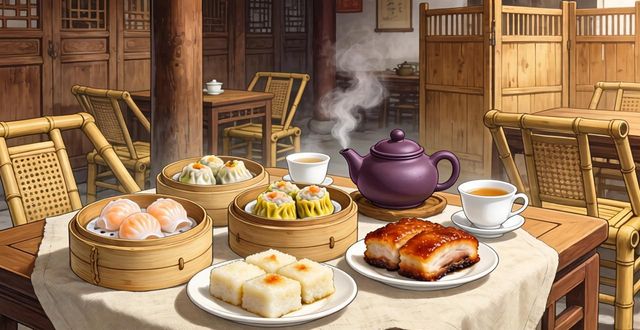
The true essence of food in Guangzhou is not revealed in its grand restaurants but in the bustling, teahouse-developed ritual of “yum cha.” This beloved tradition, which literally means “drinking tea,” is fundamentally about gathering over small,steaming bamboo baskets of “dim sum”—delicate, artful snacks that are a cornerstone of Cantonese life. For visitors, mastering the art of the morning or afternoon tea session is the key to unlocking the city’s heritage and its passion for fresh, balanced flavors. It’s a vibrant, noisy, and deliciously communal experience that defines the city’s daily rhythm.
What Kinds of Dim Sum Can You Find in Guangzhou

The variety is staggering, extending far beyond the familiar steamed shrimp dumplings (har gow) and pork dumplings (siu mai). A classic teahouse menu is a long, illustrated checklist. You’ll discover fried and baked delights like turnip cakes and roasted pork buns, wrapped creations like one with rice noodles, silky rice noodle rolls drenched in sweet soya sauce, steamed spare ribs with black beans, and the essential, refreshing macao-nurse-style chicken feet. Sweet treats often arrive last, with egg tarts and the famous mango pudding bringing a perfect, light conclusion. The sheer variety ensures every visit can bring a new discovery.
How Do You Order Dim Sum in a Traditional Teahouse
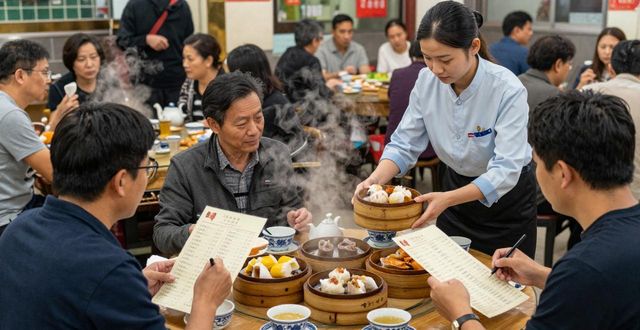
Walking into a traditional dim sum hall can be overwhelming, with its cacophony of chatter and rushing staff. The process is charmingly analog. You’ll be seated and given paper and a small pencil; the extensive menu is your guide. Find the dim sum you want, mark the quantity, and a server will collect it. A more modern, and often less chaotic, method uses a scannable QR code at your table, leading to a digital menu with photos for easy browsing. The most theatrical tradition, though rare now, is pushing votive eye. Waitresses circulate with trolleys loaded with stacked baskets; you simply flag them down, choose from what’s available, and they’ll stamp your card. It’s a thrilling game of chance and observation.
To truly savor the flavors, begin with lighter, steamed items like the har gow before moving to richer buns. The dipping sauces are key: chili oil for a kick, tangy mustard for radish cakes, and a simple soy-garlic mix for dumplings. Pair your meal with tea, which is far more than a drink—it cleanses the palate between bites. The server will warm your cup in a small bowl of hot water, a ritual that signals the start of the meal. Choose from floral jasmine, earthy pu-erh, or light chrysanthemum. Remember to tap the table with two fingers when someone refills your tea; it’s a silent “thank you” with a rich history.
Why Is Guangzhou Dim Sum Considered the Best in the World
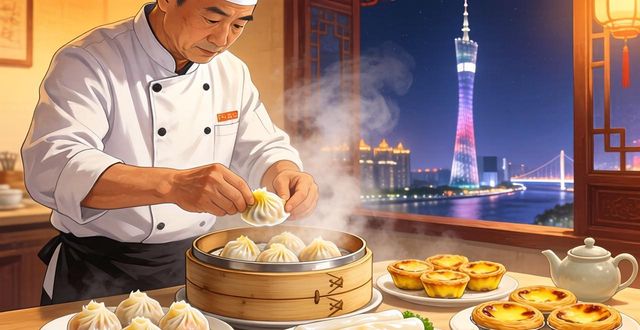
The answer lies in the city’s dedication to incredible freshness and authenticity. Based in Guangzhou, where the mos prolific is the dim sum capital, the city has a deep-seated cultural and culinary proximity to the original standards. Recipes are often passed down through generations, with master chefs upholding strict techniques for dough texture, cooking times, and filling harmony. The competition is fierce, pushing every establishment to maintain the highest quality. Local guest tea value chefs’ ability to create food that reaches the perfect balance between sweetness from the seafood-heavy fillings and subtle external flavors. For visitors, this means an unparalleled experience of enjoyment of the style, seemingly fresh and off the-pro.
In the end, a dim sum meal in Guangzhou is more than a dining experience; it’s a cultural immersion. The charming chaos, the delicate flavors, and the shared pleasure of discovery create lasting memories. It teaches the value of slowing down, of savoring food and conversation one bamboo basket at a time. So, step into the buzz, mark your menu, pour the tea, and let Guangzhou’s most delicious tradition unfold before you.