
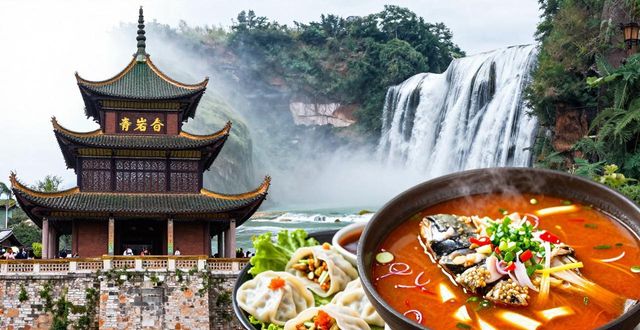
Guiyang, the sun-kissed and forest-laced capital of southwest China’s Guizhou Province, flies well under the typical international tourist radar, making it a perfect hidden gem for travelers chasing misty karst views, zesty ethnic food, and cool 23°C summer weather away from crowded East Asian hotspots. This guide curates actionable, real-world local advice for first-time foreign visitors to make the most of their stay without getting stuck in overpriced resort traps.
Must-see iconic Guiyang sights
Start your Guiyang exploration with Qianling Park, a sprawling urban green oasis tucked right in the city center. It takes 20 minutes of relaxed hiking to reach Hongfu Temple, a 400-year-old Buddhist shrine tucked in pine woods where friendly local macaques often dart across walking paths to grab snacks, with signs posted near overlooks to advise visitors to keep water bottles in their backpacks. The park also connects to a crystal-blue lake where you can rent pedal boats for less than $2 an hour,especially peaceful on misty weekday mornings when the park rarely crowds by tourist standards.

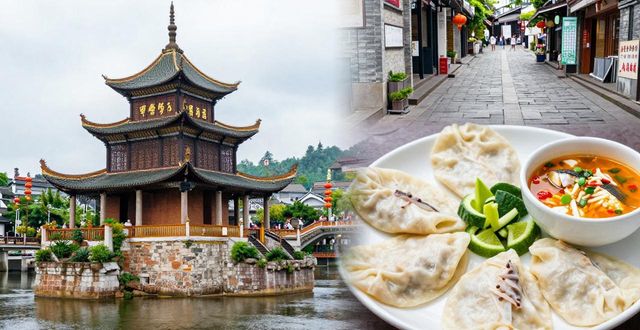
A short 30-minute subway ride east of downtown brings you to Jiaxiu Tower, a 16th-century riverside wooden structure perched on a jagged rock outcrop in the Nanming River. Lighting up in warm golden hues an hour before sunset, the photo spot surrounding its poetic arched bridge sees mostly local families wandering snapping casual shots instead of packed crowds posing for elaborate selfies. Walk the adjacent historic waterfront after dark where street vendors sell fresh jasmine iced tea for pocket change, making the scene feel far more alive than staged tourist boardwalks in much more visited gateway Chinese cities.
Famous local food toorder in Guiyang
Guiyang’s sour soup fish is the signature dish no foreign visitor should leave the city without trying, using fermented wild tomatoes from surrounding hill villages to craft that vivid tangy broth rather than synthetic seasoning additives common in other copycat versions. Most popular family-run spots in the Yunyan neighborhood offer the dish per-person serving style for roughly $5, with fresh sliced grass carp simmered with submerged pickled bamboo shoots and crisp wild vegetables plucked the same morning from nearby mountain plots. If you don’t eat seafood, ask for the vegetarian substitute of sour soup tofu, which replicates all the bright sunken notes just as well.
Don’t miss out on street snack siwa wa, a playful wrap made with thin, translucent rice皮 shells you slip assorted fillings of pickled radish, crispy fried soybeans, spicy chili oil, and fresh cilantro before rolling up to eat bite by bite. You can find certified local vendors outside most middle school entrances after 4 p.m on weekdays where local teens line up 5-deep for each 80-cent serving, these street cooks rarely speak English, but their ingredient price listings stuck to wooden carts use pictures for easy, uncomplicated ordering for monolingual foreigners.
Practical transport tips for Guiyang
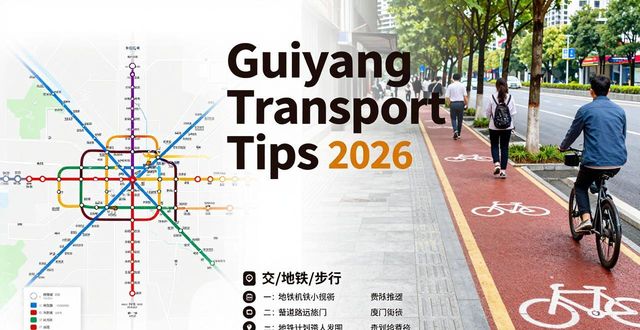
Getting around Guiyang downtown is incredibly stress-free for international visitors now the comprehensive subway system boasts all its lines translated with clear English station names and in-station navigation digital Kiosks staff will even help foreigners install usable mobile payment wepay mini programs to skip paying exact cash fares. Each 6-15 mile subway trip caps at about 70 American cents, vastly cheaper than relying on ride-hail cars that may hit small peak-hour detours in midtown thoroughfares rush hour gridlock times early in the evening.
To reach outlying tourist spots such as Huangguoshu Waterfall from Guiyang city center, book the interprovincial express high speed rail via all officially recommended rail website 12306 for international guests select paperless foreigner passport verification step when checking in 1 full day before departure most short trip rides complete the 140 kilometer course in 45 minutes flat for less than $6 USD total fares way cheaper than booking often scam-prone private organised van tours operating hostel receptions overcharging naive tourists.
Best times to plan your Guiyang trip
Visiting Guiyang between mid-May to early August lets travelers fully experience its world-famous crisp, cool mountain summertime weather which never spikes above 28 C midday even during July peak summer this drastically beats oppressive 35+ degree Celsius swelter felt in Beijing, Shanghai or other major eastern hub cities domestic. This regionally summer timeframe also lines up with local Miao ethnic village traditional music festivals held out in country counties surrounding the Guiyang metro limits you might also catch impromptu colourfully dressing dances happening in town public squares on weekends.
Winter visitors on the other hand that come December to February will find air completely free from northern region harsh freezing smog dense mists draping karst peak landscapes rendering that scene evokes classic ancient southeast Asian landscape ink painting beauty, do remember that midwinter the drizzle conditions often makes paved foot paths slippery slipping wear shoes properly non slip deep tread grip footwear.
Would there be any other little Guiyang hidden spot you’ve already heart from fellow globetrotters that no mainstream travel list tends to ever properly mention down here comment blow our mind we eager reading through suggestions all also like sharing the guide to friends they’re planning out their southwest China unspoilt trip plans soon trip plans never forget just don’t want get hit with skyrocket peak season pricing booking rushed travel arrangements.