
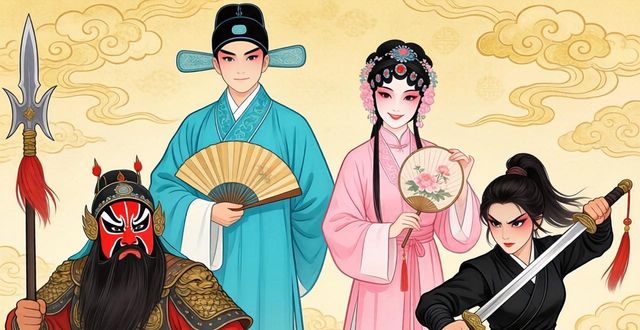
Beijing opera, also known as Peking opera, is one of China’s most treasured performing arts. With over 200 years of history, it combines singing, dancing, acrobatics, and elaborate costumes to tell vivid stories from Chinese history, legends, and literature. If you are new to this art form, you might find its colorful masks and loud music strange at first. But once you understand the basics, you will discover a world of deep emotion, symbolic beauty, and thrilling action.
The Four Main Roles in Beijing Opera

Every character in Beijing opera belongs to one of four main role types. The sheng are male heroes, often young and handsome scholars or brave warriors. The dan are female characters, from gentle maidens to fierce swordswomen. The jing are painted-face roles, usually strong generals or powerful officials with bold personalities. The chou are clowns, easy to spot by the white patch on their noses, who provide comic relief and wisdom. These four roles have their own singing styles, movements, and costumes. For example, a jing role speaks with a deep, rough voice and makes big gestures, while a dan moves softly and gracefully. Learning to tell them apart is your first step into the world of Beijing opera.
What Do the Colorful Masks Mean
You may notice that jing and chou characters wear striking face paint with different colors and patterns. This is not just decoration—every color tells you something about the character’s personality. Red means loyalty and courage, like the famous general Guan Yu. White stands for cunning and betrayal, often used for evil ministers like Cao Cao. Black shows honesty and boldness, as seen on the face of the righteous judge Bao Zheng. Blue and green represent fierce and stubborn warriors, while gold and silver are for gods and ghosts. Even the shapes of the patterns matter: a butterfly shape might suggest a romantic nature, while sharp angular lines show aggression. Once you know these codes, you can read a character’s heart just by looking at their face.
How to Listen to Beijing Opera Music
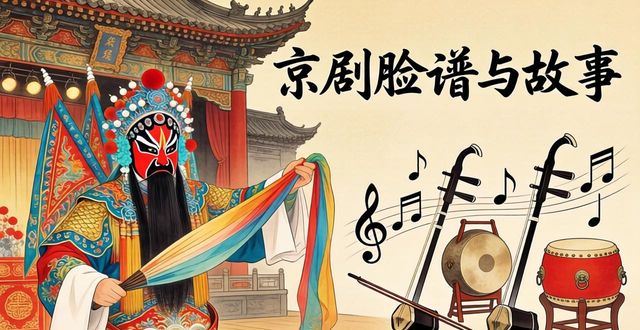
The music of Beijing opera can sound unusual to Western ears at first. The main instruments are the jinghu (a two-stringed fiddle), the yueqin (a moon-shaped lute), and a variety of drums and gongs. The jinghu leads the orchestra with a high, piercing tone, while the percussion creates sharp, loud rhythms that match the actors’ movements on stage. There are two main vocal styles: xipi sounds lively and excited, often used for happy scenes or action; erhuang is slower and more melancholic, perfect for sad or serious moments. Singers train for years to master these styles, using a special high-pitched, nasal voice that can project over the loud drums. Do not expect realistic speech—the singing is highly stylized, and every note carries emotional meaning. Try closing your eyes and feeling the rhythm; soon you will sense whether the scene is joyful, angry, or tragic.
Why Beijing Opera Still Matters Today
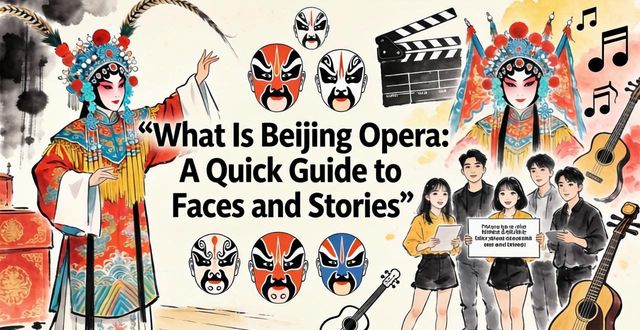
In modern China, Beijing opera faces competition from movies, pop music, and television. Yet it continues to survive and even find new audiences. Young artists are adding fresh ideas, such as shorter performances, English subtitles, and collaborations with Western orchestras. UNESCO recognized Beijing opera as an Intangible Cultural Heritage of Humanity in 2010, which helped raise global awareness. Today, you can watch performances in major cities like Beijing and Shanghai,or even online through streaming platforms. Many foreigners join workshops to learn the basic movements or try on the elaborate costumes. The stories—about loyalty, love, justice, and betrayal—are universal. They speak to anyone, anywhere. So if you ever get a chance to see a live Beijing opera, give it a try. You might find that beneath the strange sounds and bright colors lies a powerful art that touches the heart.
What aspect of Beijing opera would you most like to experience live—the face-painting, the acrobatic fighting, or the unique singing style? Share your thoughts in the comments and pass this article to a friend who loves world culture