
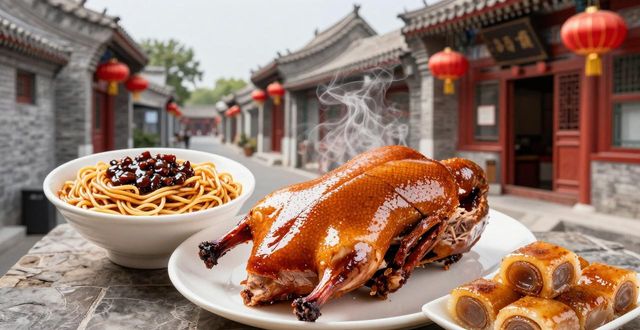
Beijing’s food traditions are deeply rooted in imperial history, street culture, and seasonal eating. For many visitors, the city’s cuisine offers a direct way to experience daily life in China’s capital. These traditions are not just about famous dishes but also about how food is prepared, shared, and celebrated across generations.

What makes Beijing food different from other Chinese cuisines
Beijing food is known for its bold yet balanced flavors. Unlike the spicy heat of Sichuan or the sweet richness of Cantonese food, Beijing cooking focuses on simple seasoning that highlights natural ingredients. Soy sauce,vinegar, garlic, and sesame paste are common staples. Many dishes are slow-cooked or roasted, giving them deep, comforting tastes.
Another key difference is the heavy use of wheat-based foods. Noodles, pancakes, dumplings, and steamed buns appear far more often here than rice, which is more common in southern China. Street vendors and home cooks alike rely on these staples to create filling, affordable meals.
Seasonal eating also plays a major role. In winter, hot pots and lamb dishes are popular, while summer calls for cold noodles and fresh vegetables. This connection to the calendar keeps the food tradition alive and practical for locals.
What dishes should you try first
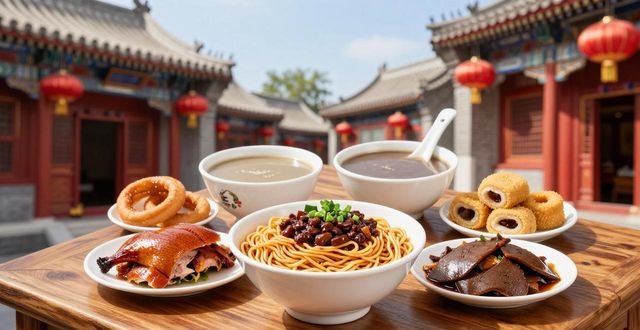
One dish that defines Beijing is Peking duck. The skin is crispy, the meat is tender, and it is usually served with thin pancakes, spring onions, and sweet bean sauce. It is more than a meal—it is an experience. Many restaurants still carve the duck tableside, which adds to the ritual.
For everyday street food, jianbing is a top choice. This is a savory crepe made from wheat and mung bean flour, filled with egg, crispy crackers, scallions, and chili sauce. It is cheap, fast, and packed with flavor. Locals often eat it for breakfast or a quick lunch.
Another must-try is zhajiangmian, or fried sauce noodles. Thick wheat noodles are topped with a rich sauce made from ground pork and fermented soybean paste, then finished with cucumber shreds and bean sprouts. It is hearty, salty, and deeply satisfying.
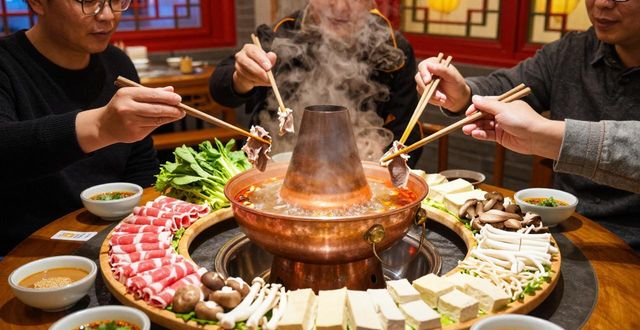
Don’t miss lamb hot pot, especially in colder months. A bubbling pot of broth sits at the center of the table, and diners cook thin slices of lamb, mushrooms, tofu, and leafy greens right at their seats. The dipping sauce, usually sesame-based, ties everything together.
Soup dumplings, known as xiaolongbao, also have a firm place in Beijing food tradition. These delicate steamed buns hold a hot, savory broth inside, along with pork or crab filling. They require patience to eat—bite carefully, then sip the soup before finishing the bun.
Beijing food traditions offer a window into the city’s soul. From royal banquets to street-side stalls, each dish tells a story of adaptation, resourcefulness, and flavor. Whether you are sitting down for a full duck feast or grabbing a jianbing on the go, you are taking part in a living culture that has been shaped by centuries of history and everyday life.