
Chengdu, the capital of Sichuan province, is globally renowned as the “City of Gastronomy,” and at the heart of its culinary identity lies the iconic hot pot. More than just a meal, hot pot is a vibrant social experience, a cultural institution, and a symphony of flavors that defines the city’s spirit. For travelers and food enthusiasts, experiencing authentic Chengdu hot pot is an absolute must. This guide will navigate you through the rich history, diverse styles, top recommendations, and essential tips for enjoying the best hot pot in Chengdu.
The Soul of Sichuan: Understanding Chengdu Hot Pot
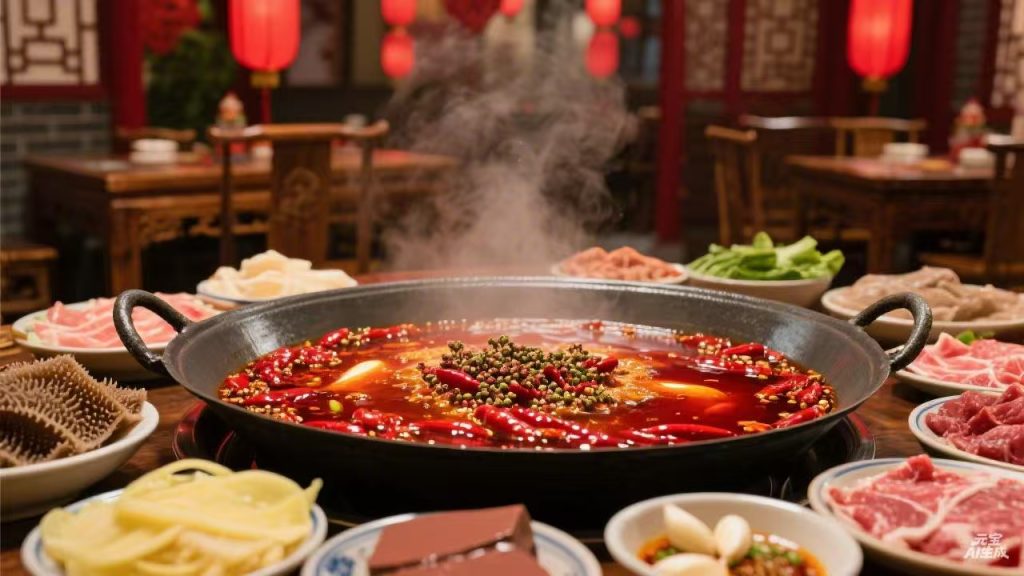
Chengdu hot pot is a communal dining ritual where diners gather around a simmering pot of broth, cooking an array of raw ingredients at their table. The signature flavor profile is “mala” (麻辣) – “ma” meaning the unique numbing sensation from Sichuan peppercorns and “la” meaning the fiery heat from various chilies . This combination creates an addictive, tingling experience on the lips. Historically, it’s said to have originated centuries ago with boatmen along the Yangtze River who cooked offal and vegetables in a spicy broth to ward off the damp cold . Today, it has evolved into a sophisticated culinary art with countless variations.
Navigating the Broth: Types of Hot Pot
While the classic mala beef tallow broth is king, Chengdu offers options for every palate:
- Yuan Yang Guo (Mandarin Duck Pot): A split pot, half with spicy red oil and half with a mild, often bone-based, clear broth. This is the perfect choice for first-timers or groups with varying spice tolerances .
- Skewer Hot Pot (Chuan Chuan Xiang): A more casual and affordable style where ingredients are skewered on bamboo sticks. Diners pay by the number of sticks, making it ideal for trying a wide variety. Authentic old shops like Shu Er Lang Fresh Beef Skewer (since 2005) and Mao Jiao Huo La are local institutions .
- Specialty Broths: Beyond the classic, you can find tomato, mushroom, pickled cabbage, and even innovative broths like Tibetan tea for a vegetarian experience .
Where to Eat: From Time-Honored Classics to Local Gems
With over 30,000 hot pot restaurants in the city, choosing can be overwhelming . Here’s a curated list based on style and experience:
- For First-Timers & a Milder Introduction:
- Huangcheng Laoma (Qintai Road): A renowned, upscale establishment often recommended for visitors. Its broth is deliberately milder and well-balanced, served in a beautiful traditional wooden setting. It’s a safe and luxurious entry point .
- Shu Jiuxiang or Shu Daxia: These are popular, well-established chains with consistent quality, elegant decor, and often English-friendly menus. They offer a controlled and comfortable introduction to Sichuan hot pot flavors .
- For Authentic Local Flavor (Where Locals Queue):
True Chengdu hot pot culture thrives in bustling, no-frills neighborhood joints. These spots prioritize flavor over ambiance.
- Da Xiaolong Hotpot (near Chunxi Road): A 20-year-old institution hidden in an alley. The broth is made fresh daily with a perfect old-Chengdu ratio of spices. Expect to pay around RMB 40 per person for incredible value .
- Lao Zaofang Street Hotpot: Tucked under residential buildings, this spot has survived on word-of-mouth for two decades. It offers a balanced, deeply aromatic spice that won’t overwhelm .
- Bench-Style Old Hotpot: As the name suggests, it features long wooden benches, a smoky, lively atmosphere, and a broth that includes traditional ingredients to reduce greasiness. It’s a favorite for late-night meals .
- For the Night Owls & Unique Experiences:
- Ghost Dining Hotpot (Yulin Branch): Opens at 10 PM with a dark, neon-lit, underground vibe. Famous for its dramatically presented pork brain and whisky-marinated beef, it’s packed with creatives and musicians until the early hours .
- Da Miao Hotpot (Kuanzhai Alley): For a premium experience combined with culture, this restaurant inside the famous tourist alley offers nightly Sichuan opera face-changing performances (Bian Lian) alongside its hot pot .
- The Internet-Famous vs. Local Debate:
A 2026 comparison highlights key differences . Restaurants like Tan Yaxue in Taikoo Li offer stylish, ritualistic dining perfect for social media, with rich broths and free refills of duck blood (~RMB 110/person). In contrast, a local favorite like Alley Hidden Hot Pot offers a unique citrus peel-infused broth in a tiny, hidden lane for about RMB 80 per person. For authentic flavor, locals often favor the latter.
Must-Try Ingredients & The Art of the Dip
The magic is in the ingredients. Essential items include:
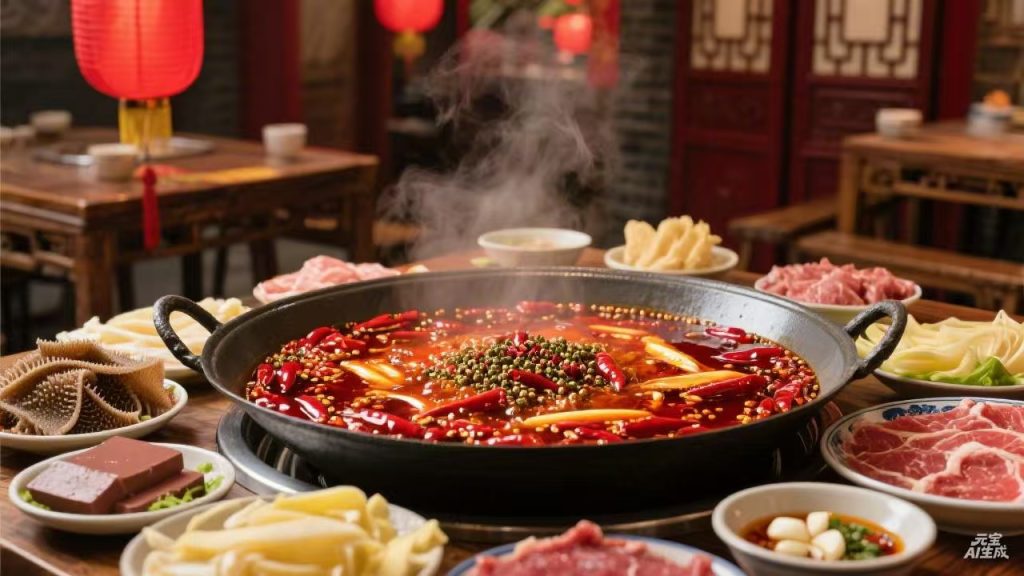
- Meats: Fresh Beef Tripe (Mao Du) – blanched for just 6-10 seconds for maximum crunch . Fresh Sliced Beef or Beef Rolls. Braised Dishes: Braised Chicken Feet (Pa Ji Zhua) and Braised Pork Intestines become incredibly tender and flavorful after simmering in the broth .
- Others: Duck Blood Curd (soft and silky), Yellow Throat (Huang Hou), Fresh Goose Intestine, and Brain Flower (Nao Hua) for the adventurous .
- The Dipping Sauce (You Die): This is crucial. The classic base is sesame oil, which coats the food and protects your stomach from the spice. Add crushed garlic, cilantro, and optionally, oyster sauce or vinegar to create your own blend .
Practical Tips for the Perfect Hot Pot Experience
- Order Wisely: Start with a Yuan Yang pot to enjoy both worlds. Cook meats first to flavor the broth, then add vegetables and noodles .
- Beat the Queue: Popular local spots always have lines. Use apps like Dianping to queue digitally or visit during off-peak hours (e.g., early dinner at 5 PM) .
- Cool Down: Have ice jelly (Bing Fen) or sour plum soup on standby. A cold Vitasoy or sweet plum juice is a classic local remedy for the heat .
- Payment: Most restaurants in 2026 operate cashlessly. Ensure you have Alipay or WeChat Pay set up on your phone .
- Budget: A satisfying meal at a good local restaurant typically costs between RMB 60-120 per person. High-end or tourist-oriented spots can range from RMB 150-200+ .
Conclusion
Finding the “best” hot pot in Chengdu is a personal journey. It could be the refined comfort of Huangcheng Laoma, the gritty authenticity of a back-alley Bench-Style joint, the late-night buzz of Ghost Dining, or the fun, interactive skewers at Shu Er Lang. The common thread is the rich, complex broth, the freshest ingredients, and the joyful, communal atmosphere. Embrace the mala, master your dipping sauce, and dive into the bubbling heart of Chengdu’s food culture. Your perfect hot pot adventure awaits.