
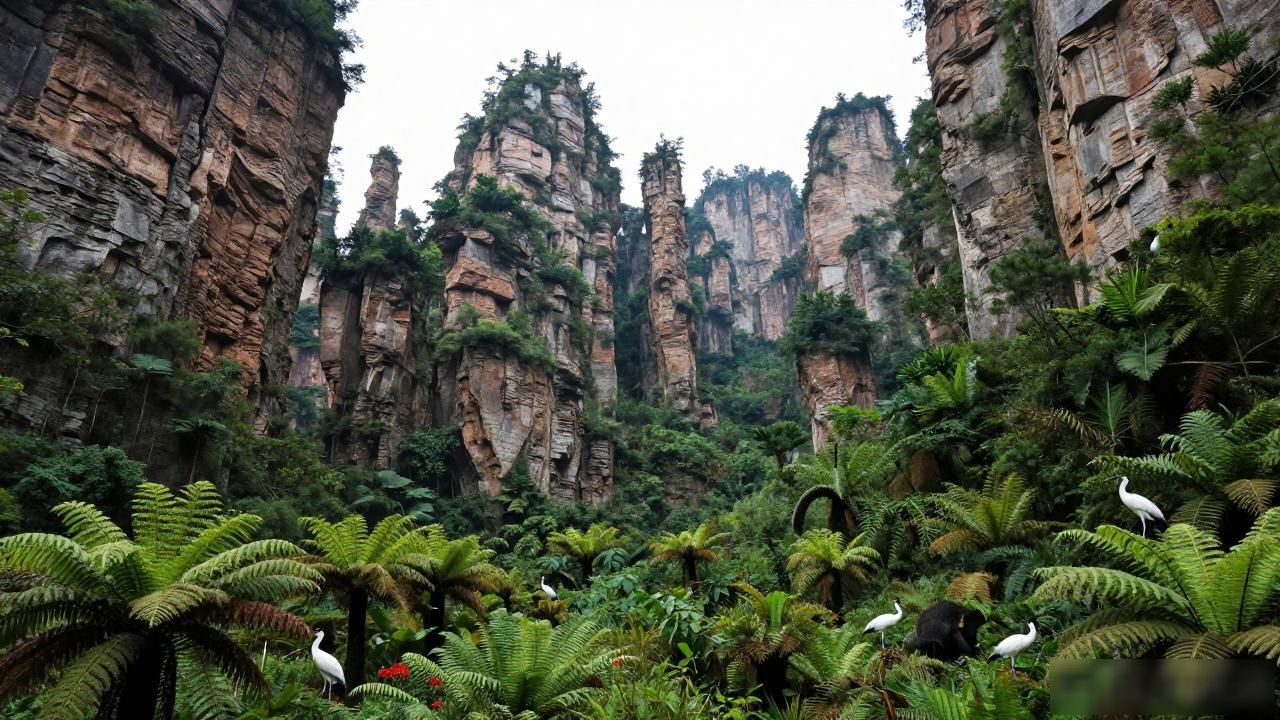
Zhangjiajie National Forest Park in China’s Hunan Province has become one of the most photographed natural destinations on Earth, drawing millions of visitors each year who come to witness its surreal sandstone pillars rising from mist-filled valleys. What makes this place so extraordinary? The answer goes far beyond its role as the visual inspiration for Avatar‘s floating Hallelujah Mountains, though that cinematic connection certainly put it on the global map.
What Makes Zhangjiajie National Forest Unique?
The park’s 12,000-plus towering sandstone pillars create a landscape that defies conventional geography. These massive rock formations,some exceeding 2,000 meters in height, were carved over hundreds of millions of years through relentless erosion and seismic activity. Walking along the narrow cliff-edge trails gives you the distinct feeling that you have stepped onto an alien planet, where swirling clouds cling to rocky spires and ancient trees grip the sheer vertical faces.

Beyond the geological spectacle, the area supports remarkable biodiversity. Over 3,000 plant species flourish in the park’s sheltered ravines, including several varieties that exist nowhere else on the planet. The rare black crested ibis, the pangolin, and countless endemic bird species depend on these pristine mountain habitats for survival. The old growth forest remains remarkably undisturbed at higher elevations, maintaining ecological balance that has persisted since the dinosaur era.
When Is the Best Time to Visit Zhangjiajie National Forest?
October and November deliver the most reliable weather conditions for travelers wanting crystal-clear views of the iconic peaks. Daytime temperatures hover between 15 and 25 degrees Celsius, creating ideal hiking conditions without the summer humidity that chokes the valleys. Rainy season brings dramatic cloud formations that wrap around the pillars like ribbons, though persistent fog often blocks the sweeping panoramic views that photographers seek.
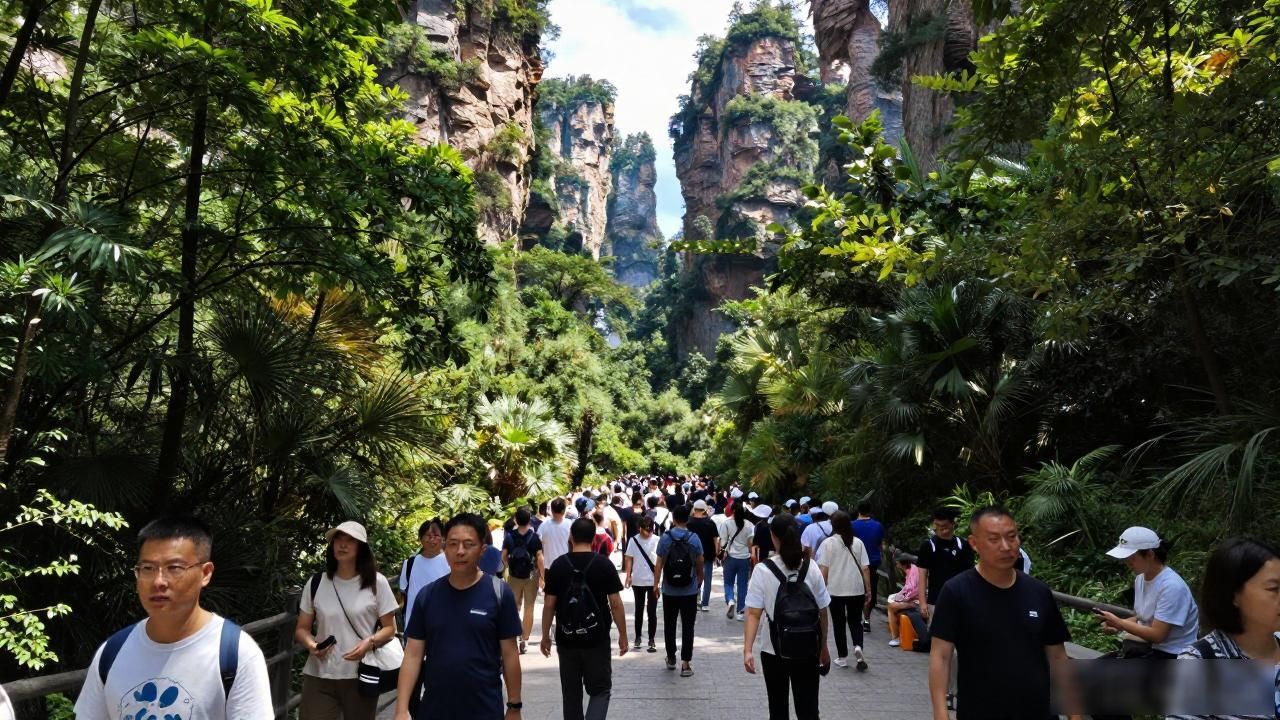
Visitor numbers shift dramatically across the calendar. Chinese national holidays in early October transform the tranquil forest paths into congested walkways that move at a crawl. Reserving your lodge several months ahead proves essential during peak travel windows, while late autumn and shoulder spring seasons offer substantially fewer crowds with equally breathtaking scenery. The Yunmen Village viewing terrace, positioned deep inside the protected zone, delivers perspectives that no lens can truly contain.
How to Reach Zhangjiajie National Forest?
Getting to this remote mountain realm requires strategic transportation planning. Zhangjiajie Hehua Airport maintains daily flights from Beijing, Shanghai, and Guangzhou, while the new high-speed rail link from Changsha cuts the journey down to just three hours. Local shuttle services and private car arrangements operate constantly from both terminals to the main park gateway near Wuyi Garden.
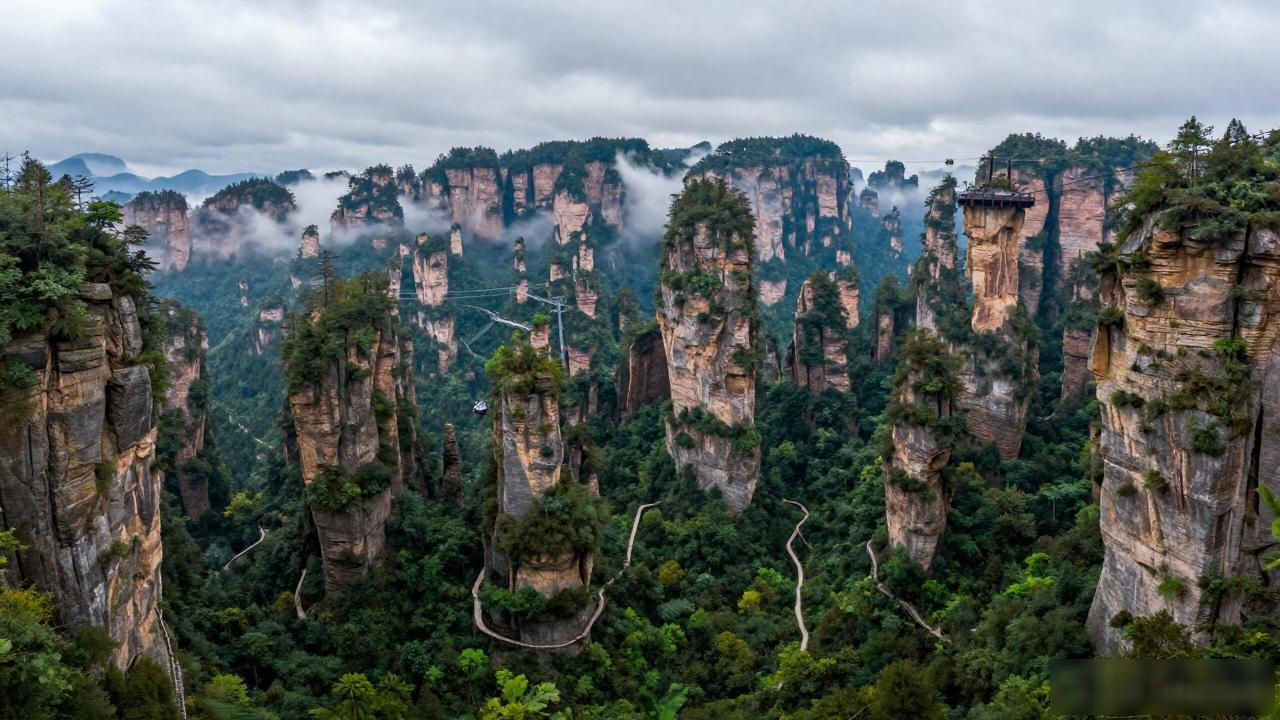
The park encompasses over 4,000 hectares of protected wilderness, demanding at least two complete days for proper exploration. Chairlifts and suspension bridges open access to remote ridge lines, though following the ancient foot trails provides a deeper connection with the natural environment. Local mountain guides speak excellent English and carry fascinating knowledge about the area’s rich Tujia and Miao cultural traditions, enriching the entire experience with layers of history and meaning.
Zhangjiajie National Forest Park stands as one of Earth’s most extraordinary natural wonders, merging geological drama with ecological significance in ways that challenge human imagination. The crystalline pillars that captivated Hollywood filmmakers continue to inspire genuine explorers seeking raw mountain experiences far removed from manufactured tourist attractions.