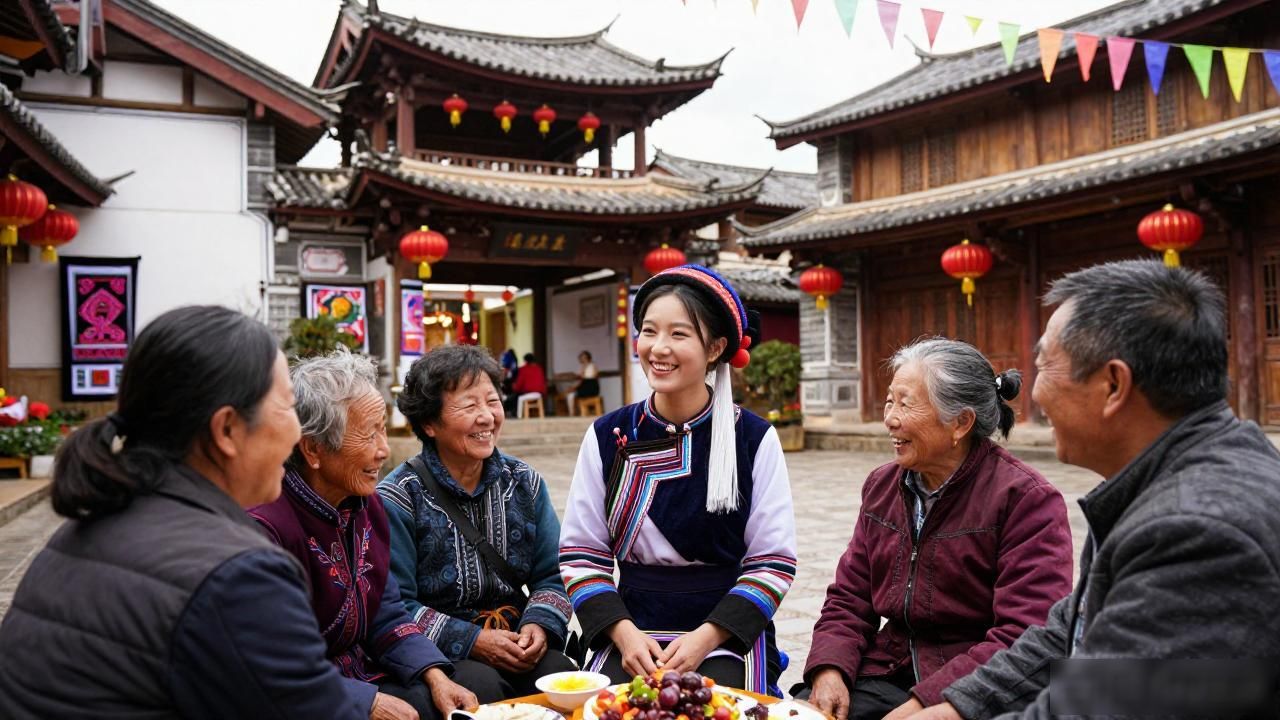
Growing up in a small village near Dali, I celebrated every Yunnan traditional festival with fire dancing, flower-burying rituals,and mountains of sticky rice. These aren’t just dates on a calendar. They are the living rhythm of Hani, Bai, Naxi, and Tibetan communities who have kept these customs alive for centuries.
When do Yunnan traditional festivals happen
The calendar here is nothing like what you’d find in Beijing or Shanghai. The Torch Festival falls in July, when families pile dry branches into enormous bonfires and young people toss lit paper torches at each other’s backs. I still remember being seven, flinching as the sparks landed on my shoulders while my grandmother laughed and slathered cool aloe on my skin. The whole village smelled of woodsmoke and frying pork for three straight days.
Water Splashing Festival hits in April, marking the start of the Dai New Year. Three days of public water fights, Buddhist temple alms-giving, and floating flower lanterns down rivers at midnight. Even the monks get soaked, which is why the street monks chase you with buckets before they bless you.
Why do Yunnan traditional festivals matter
These gatherings are how ethnic identities stay rooted. A Hani family that skips the Bomo ceremony for rice-planting loses its connection to the agricultural calendar that shaped their migration from the Himalayas over a thousand years ago. The festivals are oral archives, holding recipes, songs, and genealogies that no textbook captures. A single afternoon of Naxi Dongba chanting can reference forty-two mountain spirits by name.

For the younger generation leaving for Shenzhen or Guangzhou, attending home festivals in December or March is often the only time they reconnect with grandparents, neighbors, and the dialects their parents stopped using in city apartments. You watch a twenty-three-year-old struggle to translate her grandmother’s toast, and that gap says more than any museum plaque ever could.
Where to see Yunnan traditional festivals
Xishuangbanna hosts the grandest Water Splashing celebrations. Jianshui and Mengzi pull out all the stops for Torch Festival. In the northwest, Deqin and Shangri-Lang stage massive Tibetan New Year feasts with masked lion dances and butter-tea toasts that last well past midnight. The Naxi Dongba festivals in Lijiang’s old town draw the smallest crowds if you want to watch without a sea of phones in your face.
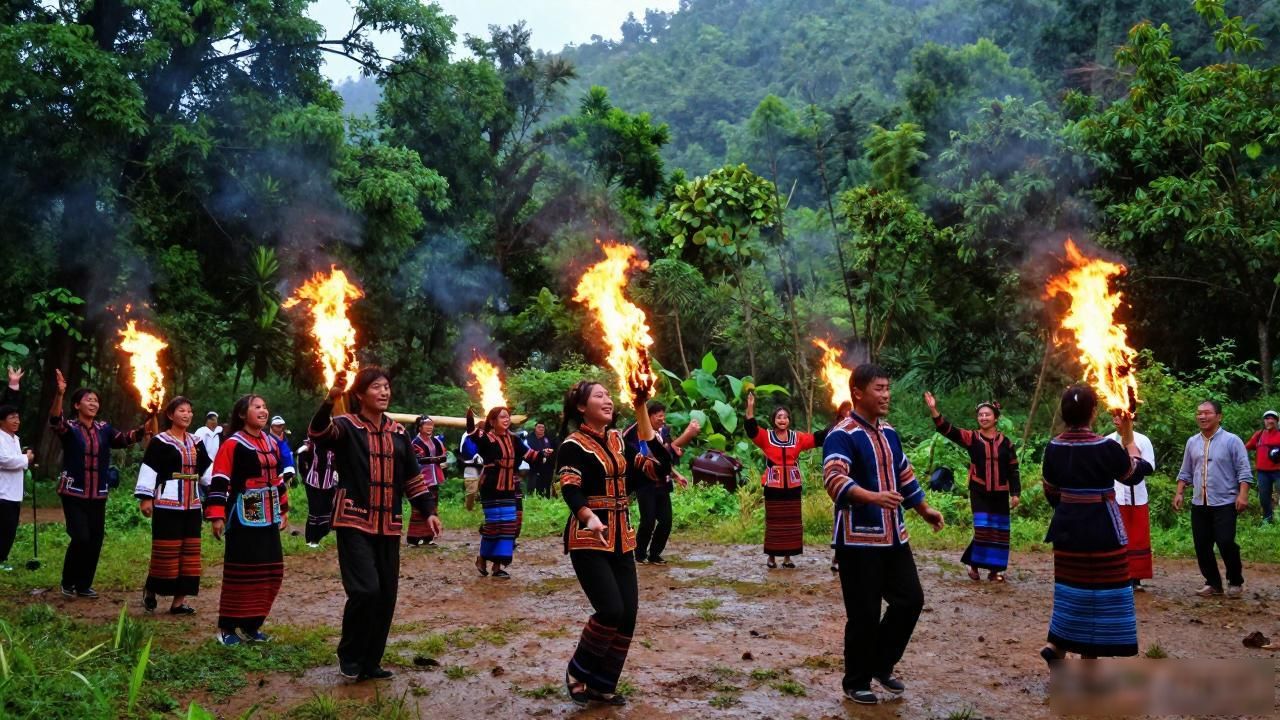
If you can only pick one window, mid-July gives you Torch Festival in most western counties plus the tail end of the monsoon when the green is at its absolute peak. Book homestays early in June; prices triple the moment you arrive.
I close my homestay for two weeks every September so I can help my aunt in the valley plant the autumn seedlings. That’s when the real work of a festival season begins, and no tourist has ever been invited to that part. And honestly? That’s how it should be.