

Planning a trip to China can feel overwhelming. The sheer size of the country and the diversity of its attractions make it hard to know where to start. Many travelers get stuck trying to piece together a logical route, fearing they will miss the highlights or waste time on inefficient travel. A well-crafted itinerary is the key to unlocking this vast destination. It transforms a chaotic list of must-sees into a smooth, enjoyable journey. This guide serves as your reliable China travel itinerary planner, helping you navigate the complexities of Chinese tourism with confidence and ease.
What Should a First-Time China Itinerary Include?
For most first-time visitors, the classic triangle of Beijing, Xi’an, and Shanghai remains the gold standard. Beijing offers imperial history, from the Forbidden City to the Great Wall. Xi’an provides a deep dive into ancient culture with the Terracotta Army. Shanghai delivers a modern contrast with its dazzling skyline. This route covers the essential bases without requiring excessive travel time between cities.

However, a basic route might not suit everyone. Some travelers prefer nature over history. Others might want to explore the karst landscapes of Guilin or the ethnic diversity of Yunnan province. A good planner helps you balance these interests. You should consider your pace. Do you want to rush through ten cities or stay deeply in two? Choosing a theme helps narrow down your options significantly. Whether it is food, history, or adventure, letting that theme guide your stops makes the trip more cohesive.
How to Structure Your Daily Schedule Effectively?
China is huge. Distances that seem short on a map can take hours to traverse. A smart itinerary accounts for travel time. High-speed trains connect major cities efficiently, but you must book tickets in advance. Flights are useful for longer gaps, such as traveling to western China. Always leave buffer days in your schedule. Jet lag, language barriers, and unexpected closures can disrupt even the best-laid plans.
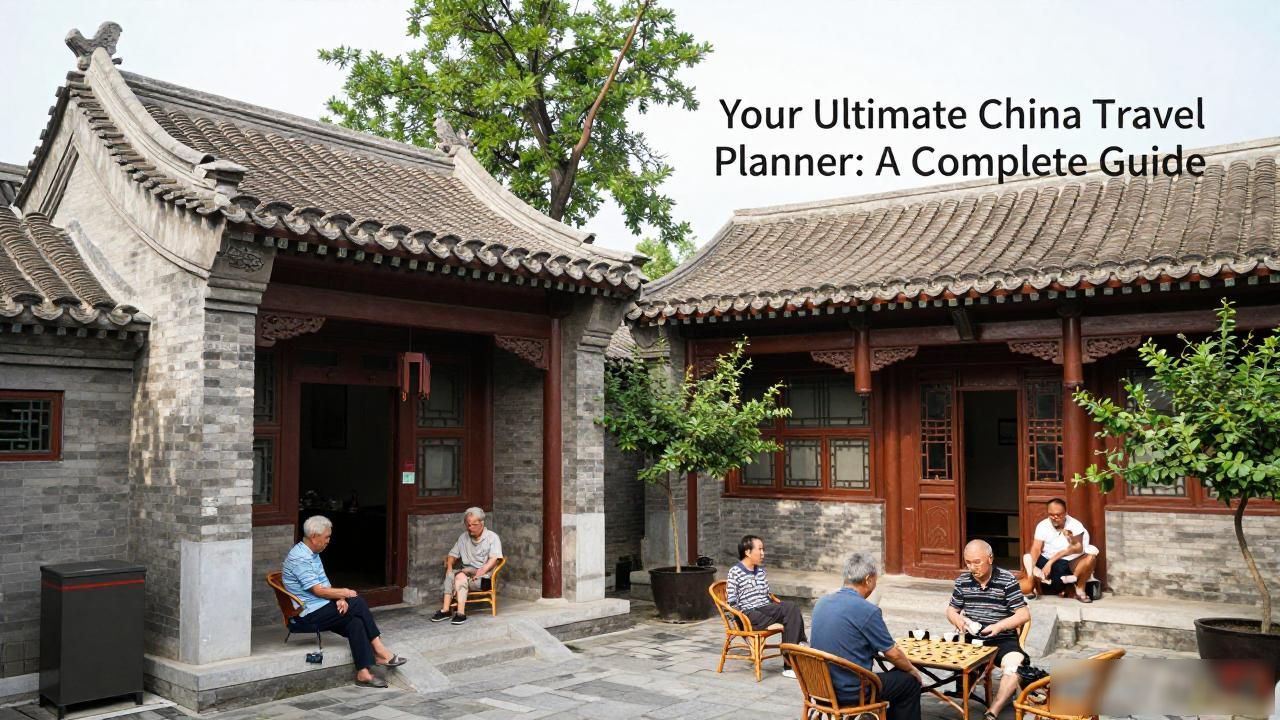
When designing your days, group attractions by location. Do not zigzag across a city. Spend one day in the hutongs of Beijing,another in the museums. In Shanghai, keep your itinerary focused on the Bund and the French Concession. Pacing yourself prevents burnout and allows for spontaneous discoveries. Rushing from one ticketed site to another leaves no room to simply sit in a park and watch locals play mahjong. That is often where the real culture reveals itself.
Which Seasons Are Best for Visiting China?
Timing is everything. Spring and autumn are generally the most pleasant seasons. The weather is mild, and the skies are clear. Summer can be brutally hot and humid, especially in cities like Wuhan and Nanjing. Winter is cold in the north, but it offers a different charm, particularly for seeing the ice festivals in Harbin.
Avoid major Chinese holidays if you dislike crowds. The Golden Week in early October and the Spring Festival in late January or February see massive domestic travel. Hotels fill up quickly, and prices surge. If you must travel during these times, book months ahead. For a more relaxed experience, consider the shoulder seasons of April-May or September-October. These periods offer the best balance of good weather and manageable tourist numbers.
Ultimately, a China travel itinerary planner is not just about logistics. It is about crafting a narrative for your journey. By focusing on key cities, pacing your days, and choosing the right season, you can experience the depth and breadth of this fascinating country. Start with a flexible framework, stay open to changes, and let the journey unfold.