
The World’s Largest Wholesale Market
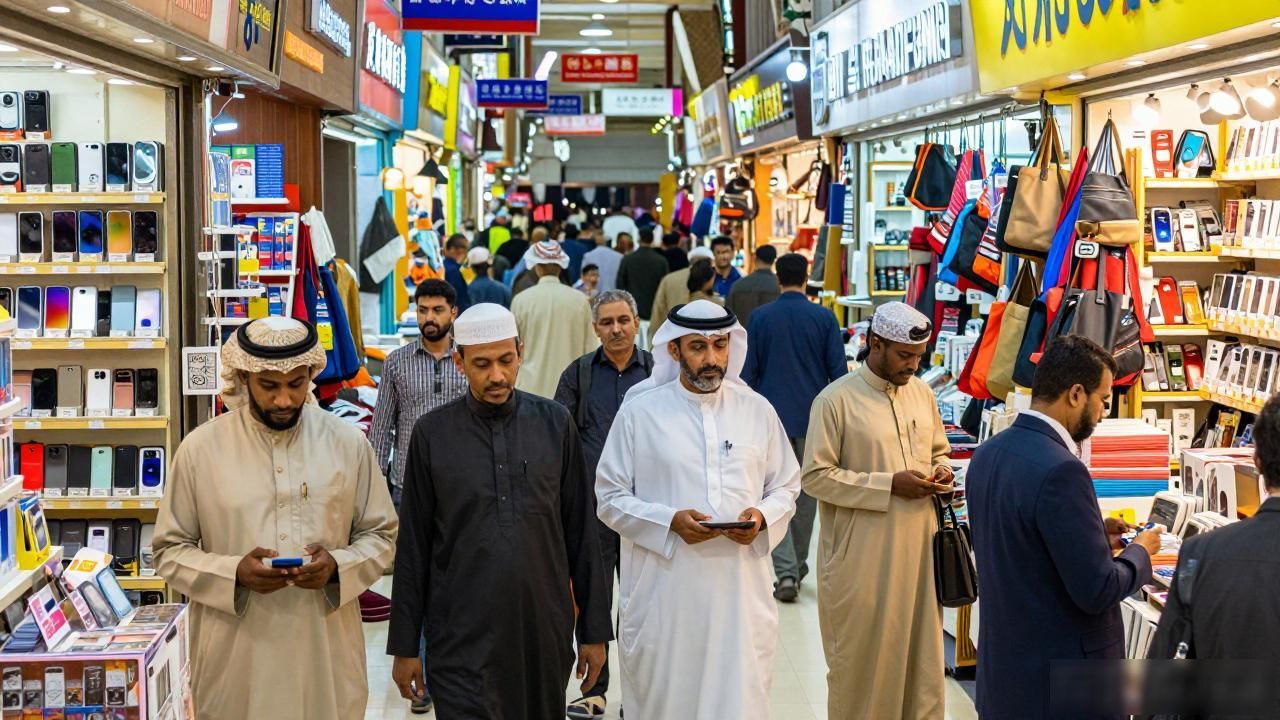
My first time walking into the Yiwu International Trade Market, I thought I’d entered a different planet. Five sprawling districts stretch across dozens of city blocks, packed with over 75,000 booths selling absolutely everything from tiny screws to wedding dresses. You could spend a week here and still not see half of it.
The market opened in 1982 when a local farmer named Chen Xianming decided to sell buttons, zippers, and thread from a simple wooden stall. Today that humble beginning has grown into what Guinness World Records calls the world’s largest wholesale market. The scale is genuinely hard to comprehend until you’ve walked through it yourself.
Most foreigners first hear about Yiwu through Alibaba or global supply chains, but stepping foot inside Market District 1 feels like entering a different universe entirely. The sheer volume of goods on display is staggering. Every category you can imagine has a dedicated floor or section. Electronics, toys, household items, jewelry, fabrics — it all exists here in quantities that seem almost surreal.

What strikes me most is the diversity of people you meet. Businessmen from Africa, the Middle East, South America, and Southeast Asia all move through these corridors in search of the next great find. The market never sleeps, and neither do the deals being struck.
Navigating the Markets and Getting Around
The five market districts cover roughly 7.5 million square meters, which sounds massive even on paper. You’ll want to arrive early — before 9 AM — to beat both the crowds and the summer heat. Most shops open around 8:30 and close by 5 PM, though some stay later during peak season.
Getting between districts is easier than you might think. The city has a functional bus system,and ride-hailing apps like Didi work reliably. If you’re staying near the market area, many hotels offer shuttle services during business hours.
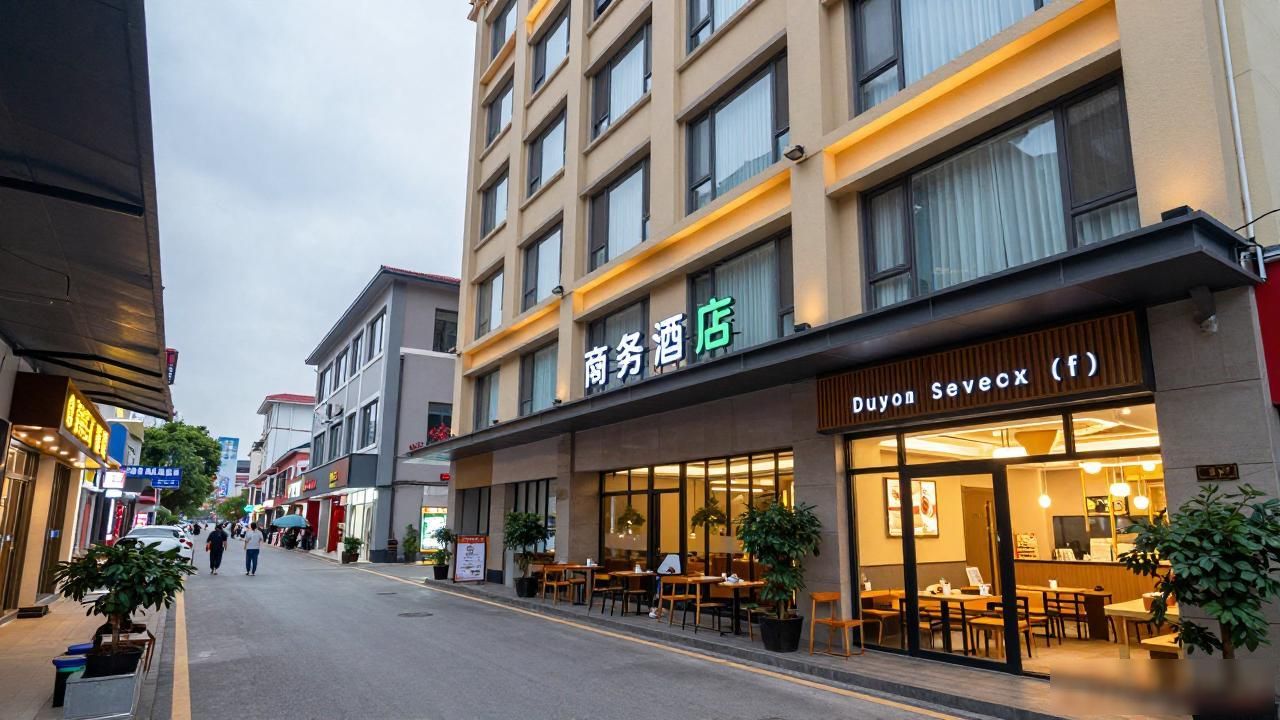
For accommodation, the area around Futian Market has endless options ranging from budget hostels to upscale business hotels. I recommend staying within walking distance because you’ll want to pop back to your room multiple times during long market days. English menu restaurants and coffee shops have multiplied rapidly in recent years.
One practical tip: learn basic bargaining skills before you arrive. Even though prices here are already wholesale rates, a friendly negotiation can still save you meaningful money. Smile, be patient, and show genuine interest in the products.
Beyond the Markets: What Else to See
While the markets are undoubtedly the main event, Yiwu has other treasures worth discovering. Chouzhou Lake sits just north of the commercial district and offers a peaceful contrast to the bustling market energy. The lakefront promenade is perfect for an evening stroll, and local vendors sell skewers and cold drinks along the water.
The Fuwa Cultural Square nearby hosts nightly dance gatherings where locals practice everything from traditional folk dances to modern routines. It’s an incredible window into daily Yiwu life that you won’t find in any guidebook.
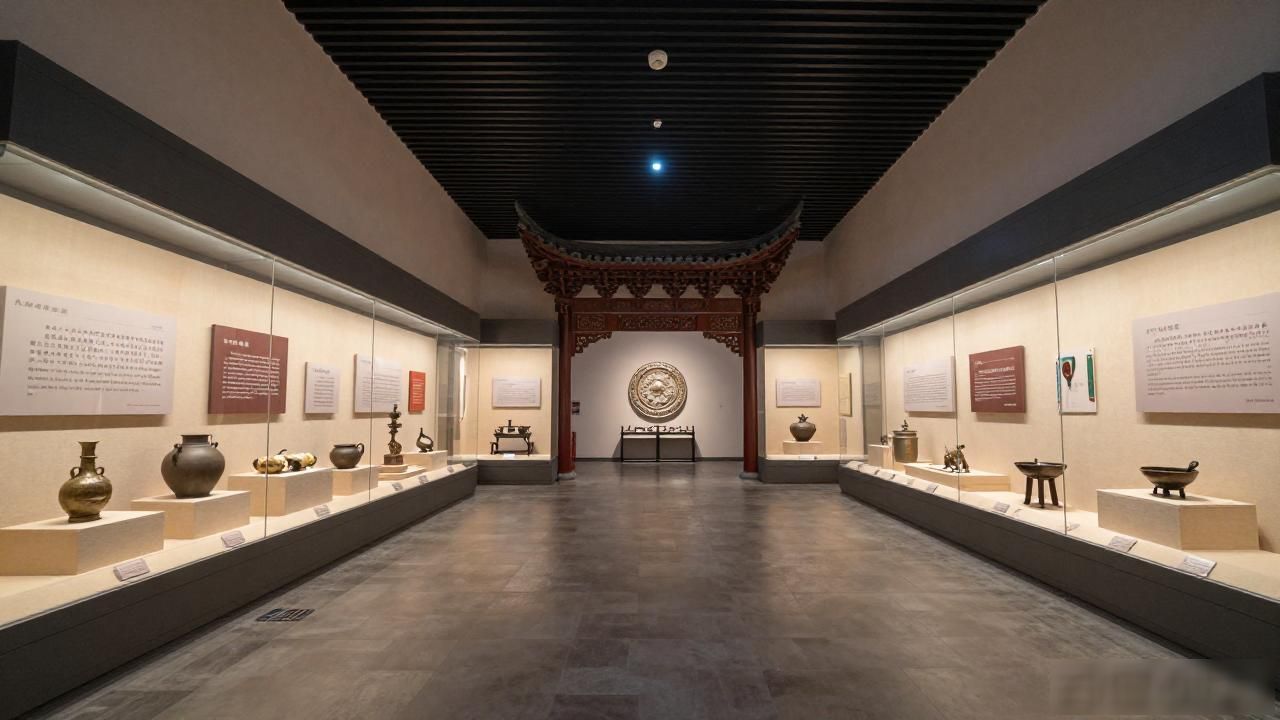
For history buffs, the Yiwu Museum tells the story of this remarkable city from ancient trading post to global commerce hub. The exhibits are well-curated in both Chinese and English, and the building itself is architecturally striking.
You should also try Yiwu’s local food scene. The city sits in Zhejiang province, so expect dishes influenced by the broader regional cuisine — fresh river fish, pickled vegetables, and delicate dim sum. Street food stalls near the market serve decent noodles and dumplings at rock-bottom prices.
A short taxi ride takes you to Chaiyuan Garden, one of the finest classical Chinese gardens in the region. Stone bridges, koi ponds, and meticulously pruned trees create a serene atmosphere far removed from the market frenzy.
Yiwu may not immediately scream “tourist destination,” but that’s precisely what makes it fascinating. It’s a city built on trade and human ingenuity, and walking through its streets feels like watching the modern economy unfold in real time. Come for the markets. Stay for the unexpectedly rich experience.