
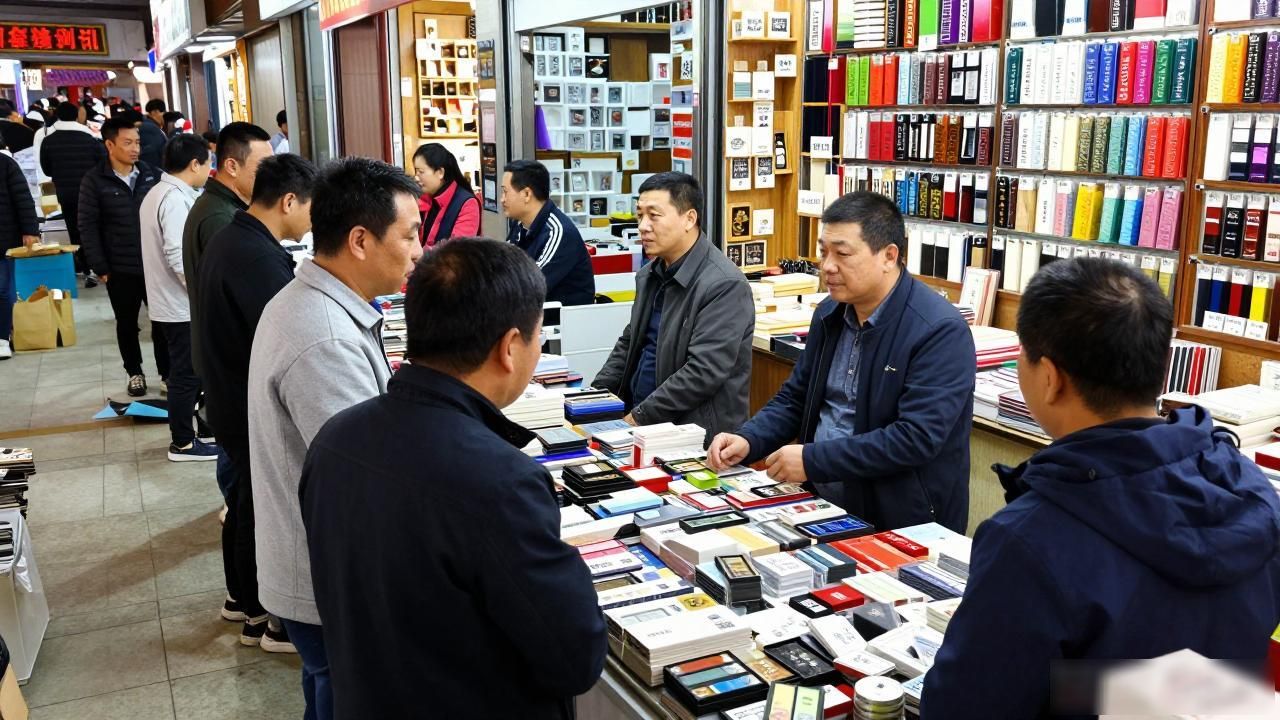
Stepping into Yiwu International Trade Market feels like entering a different world. Foreign buyers often arrive overwhelmed by the sheer scale of this wholesale paradise. After guiding countless international clients through these maze-like corridors, I can confidently say that proper preparation transforms chaos into opportunity. This city has earned its reputation as the shopping basket of the world, and understanding its rhythm is key to success.
What to expect here
Walking through District 1, District 2, and beyond reveals a carefully organized ecosystem. Each district specializes in different product categories, from toys and electronics to cosmetics and building materials. The complexity strikes most first-time visitors. You might navigate for hours without spotting what you came for, which is completely normal.

Local suppliers range from factory representatives to trading companies. Some booths display minimal inventory, while others showcase extensive samples. Understanding minimum order quantities before approaching any supplier saves considerable time and frustration. Most businesses operate on thin margins with high volumes, so negotiating feels natural rather than aggressive here.
The market operates during different hours throughout the year. Peak seasons bring larger crowds and busier negotiation periods. Off-season visits offer quieter environments but limited stock availability. Balancing timing with your specific needs becomes an important strategic decision.
Navigating the market efficiently
Bringing a Chinese-speaking assistant proves invaluable for serious buyers. Translation gaps frequently lead to misunderstandings about product specifications, pricing terms, or shipping requirements. Many small suppliers speak basic English but lack technical vocabulary needed for detailed negotiations. Professional interpreters or experienced sourcing agents bridge this communication gap effectively.
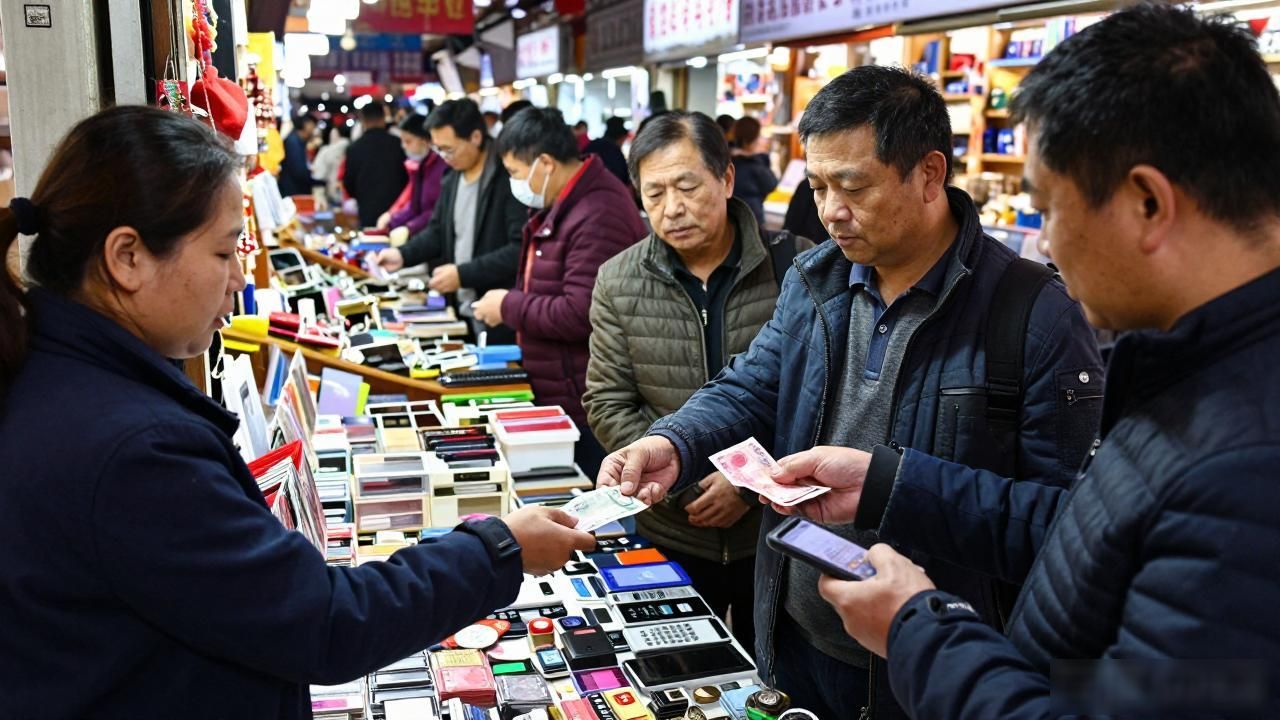
Cash remains king in many transactions, though electronic payments increasingly dominate. Carrying sufficient Chinese yuan in various denominations simplifies purchases at smaller stalls. Larger suppliers usually accept bank transfers or Western Union, but confirm payment terms beforehand to avoid complications.
Photographing products and recording supplier business cards creates a reliable reference system. Writing down contact information, product codes, and agreed prices in real-time prevents costly mistakes later. Many buyers return weeks later only to discover they cannot remember which booth sold which item or at what price.
Making the most of your trip
Hiring accommodation near the market district minimizes transit time and maximizes shopping hours. Hotels within walking distance offer convenience that compounds over multiple days. Some buyers extend stays beyond initial plans after discovering additional opportunities during extended visits.
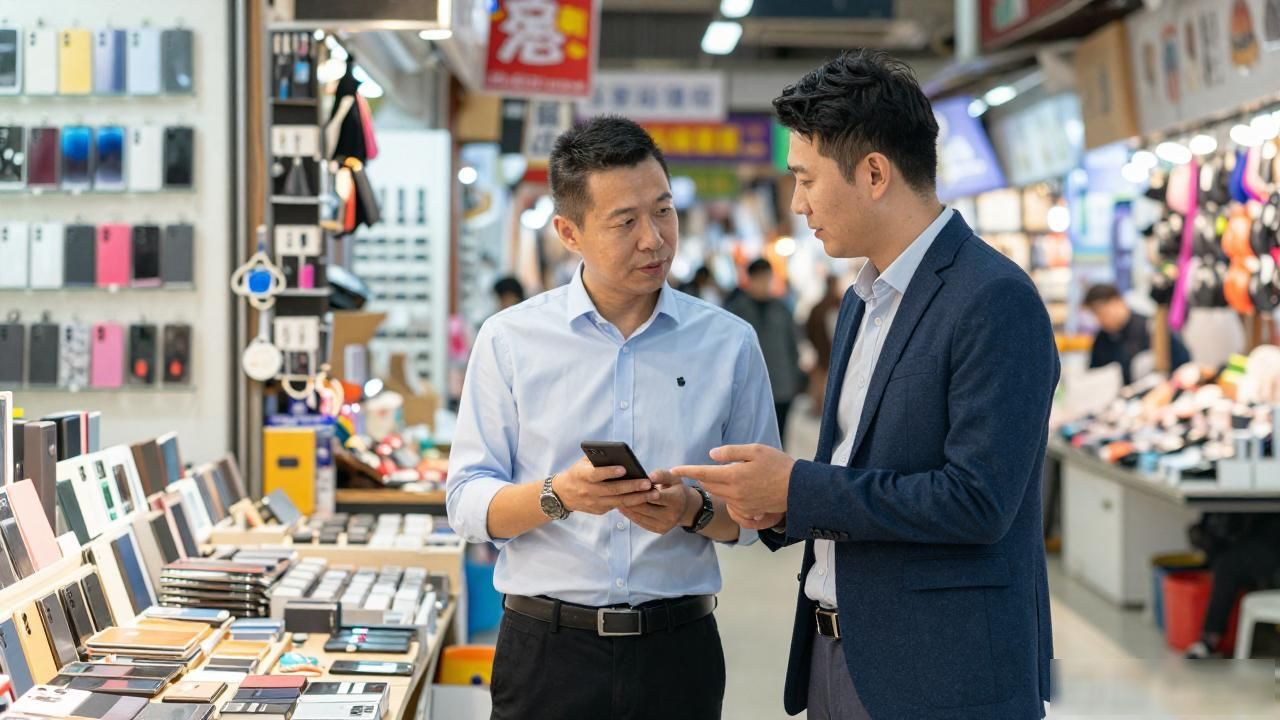
Building relationships with suppliers transcends single transactions. Exchange WeChat contacts and maintain periodic communication. Many ongoing business partnerships begin with a single successful visit and evolve through consistent engagement over months or years.
Return visits often yield better results than initial trips. Familiarity with the layout, trusted suppliers, and established negotiation patterns create confidence and efficiency. Some seasoned buyers conduct preliminary research online before traveling, then verify quality and pricing in person.
Yiwu rewards those who approach it strategically. Proper preparation,realistic expectations, and patient relationship-building transform overwhelming experiences into productive business adventures.