
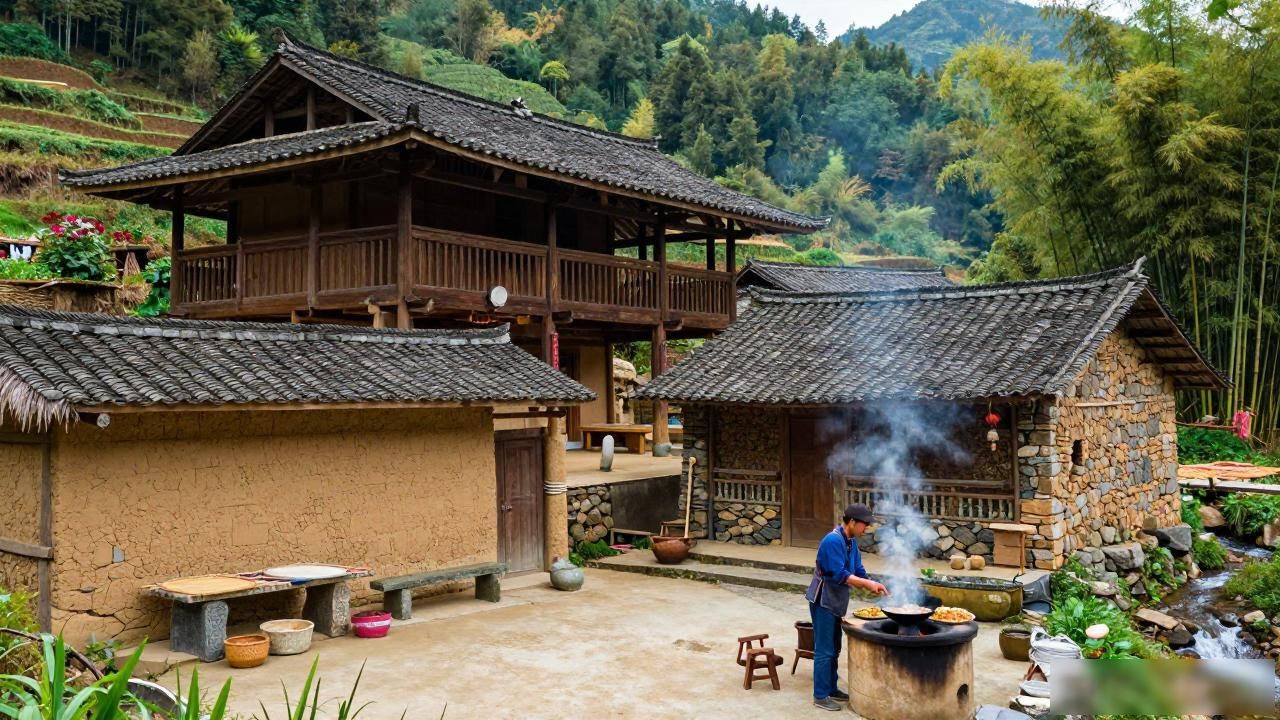
Rural China homestay isn’t just another stop on a tourism checklist. It’s a full immersion into village life that most foreign travelers genuinely underestimate. You sleep in a creaky wooden room, eat whatever the host pulled from the garden that morning, and trade traffic noise for roosters and the creak of eaves in the wind. The whole experience shifts depending on the province, the family, and whether you stay three nights or three weeks.
Rural China Homestay Worth It

The honest answer: yes, if you skip the polished tourist-trap villages within an hour of Hangzhou or Xiamen. The real magic happens in lesser-known places—a stilted wooden farmhouse in western Guizhou, a clay-walled courtyard in southern Shaanxi,a dry-stone house in Yunnan where the host still stirs the wok over live charcoal. You stop performing for a camera and just exist alongside a family who’s been rooted in that spot for four generations.
Budget-wise, most rural homestays run 80 to 200 RMB per night, meals included. That undercuts a mid-range city hotel by a wide margin, and what you get back is a pot of homemade plum wine, a long story about the last harvest, maybe a pre-dawn walk through flooded rice paddies that no travel app will ever hand you.

How to Book a Rural China Homestay
Skip the big OTA platforms for this one. WeChat groups run by county-level tourism offices or Xiaohongshu threads where village hosts post their own grainy photos work far better. In Yunnan and Guizhou, the provincial rural-tourism WeChat accounts drop verified listings every Tuesday morning. Have your passport number handy; they’ll want it for the local household registration form.

Message or call a day ahead to confirm they actually accept foreign guests—some smaller villages still have quiet registration caps you won’t see posted online. Ask for the nearest green-train stop, not the airport. Nine times out of ten you’ll ride two hours on a rattling local rail line, walk up a switchback hill, and be greeted by a kid balancing a basket of still-warm sweet potatoes on his head.
Pack light. Bring cash in small bills. Tell your host you’d love a turn at the stove for dinner. That one line turns a transaction into a week you’ll still talk about years later over drinks with friends. The village doesn’t need you to be a tourist. It just needs you to show up a little curious and ready to get muddy.