
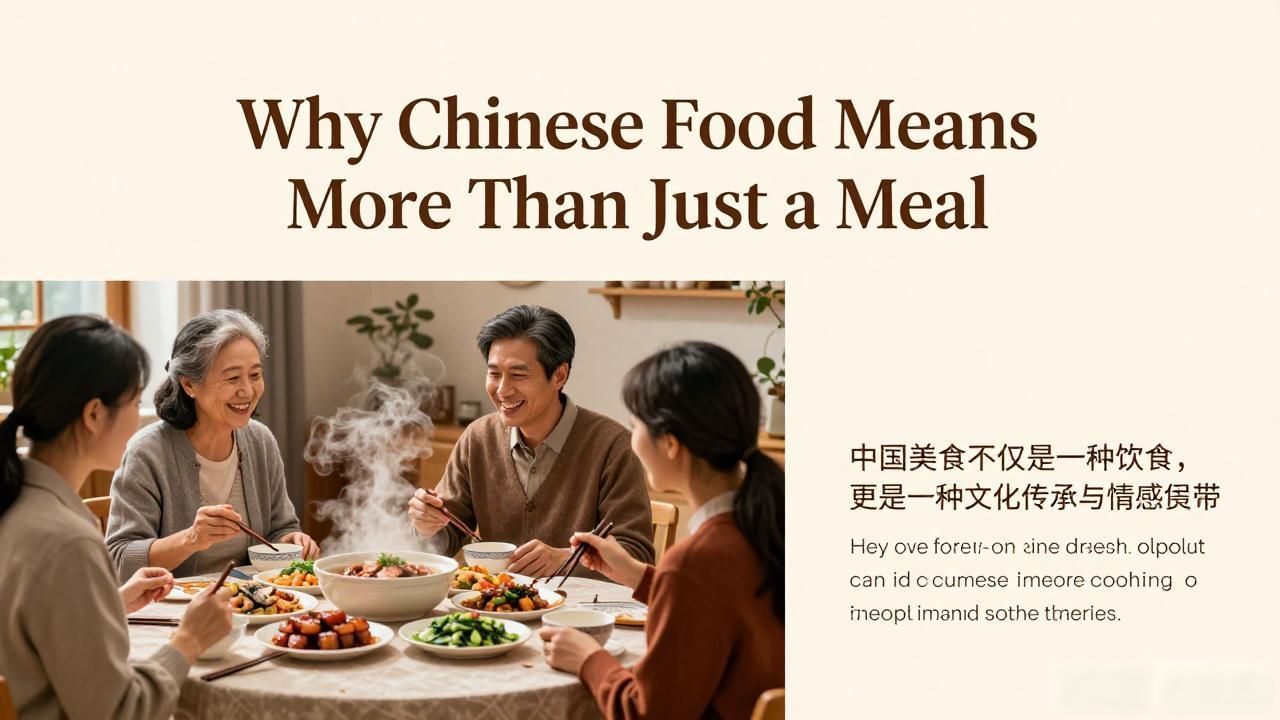
Chinese cuisine is often reduced to takeout containers or banquet spreads in the West, but this view misses the profound depth of its cultural roots. To understand China is to understand its table. Food here is not merely sustenance; it is a language of love, a tool for diplomacy, and a mirror reflecting centuries of philosophy. The cultural significance of Chinese food lies in its ability to bring people together, transcending social barriers and geographical distances through shared plates and meaningful rituals.
Why is food central to Chinese relationships?

Dining in China is rarely a solitary act. It is a communal experience that reinforces social bonds and hierarchy. The round table symbolizes unity and equality, where everyone reaches in to share dishes. This practice, known as gongcan, fosters a sense of collective identity. Refusing to eat with someone can be interpreted as a rejection of their friendship or business proposal. In this context, the meal itself becomes a ritual of trust-building.
Consider the custom of pouring tea for others before oneself. It is a small gesture that signals respect and attentiveness. Older guests are served first, honoring the Confucian value of filial piety. These subtle actions weave a tight social fabric, making every dinner party a reaffirmation of relationships. The food serves as the medium through which these connections are nurtured and displayed to the outside world.
How does philosophy shape what we eat?
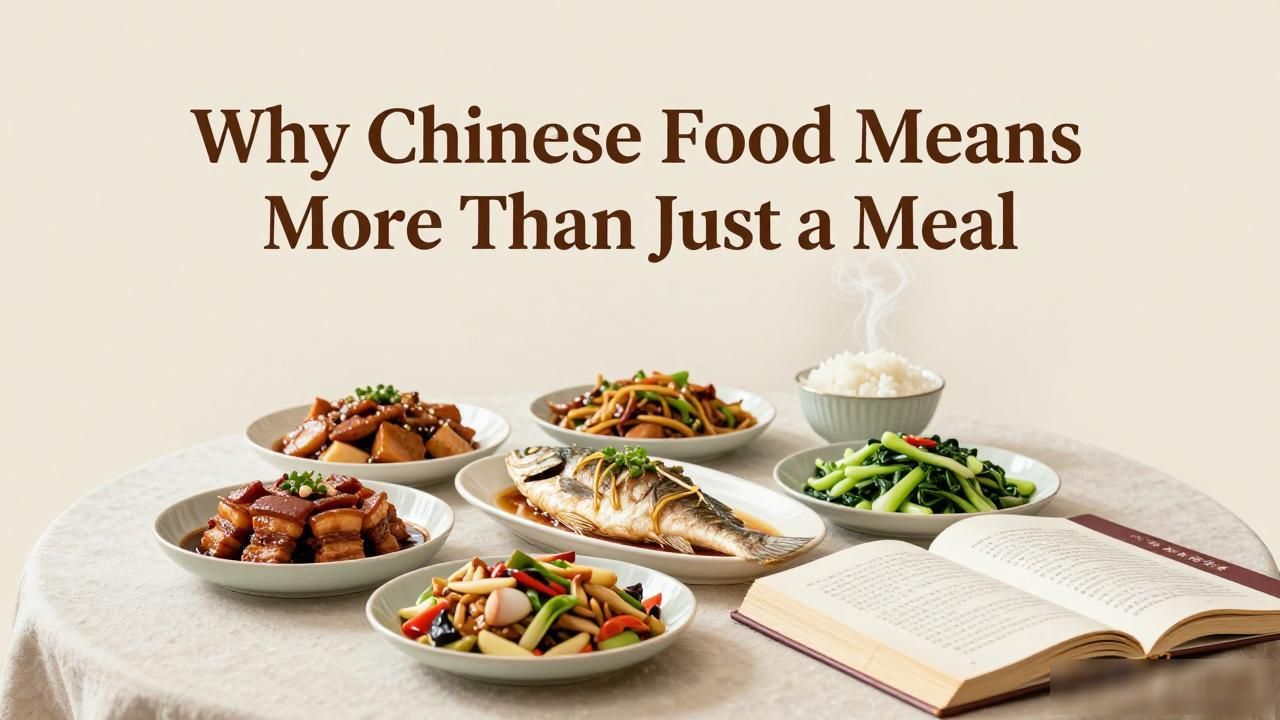
The ingredients and cooking methods are deeply influenced by traditional Chinese medicine and Taoist principles. The balance of Yin and Yang is essential in every dish. For instance, cooling foods like cucumber might be paired with warming ginger to maintain bodily harmony. This holistic approach ensures that eating is not just about taste, but about health and spiritual equilibrium.
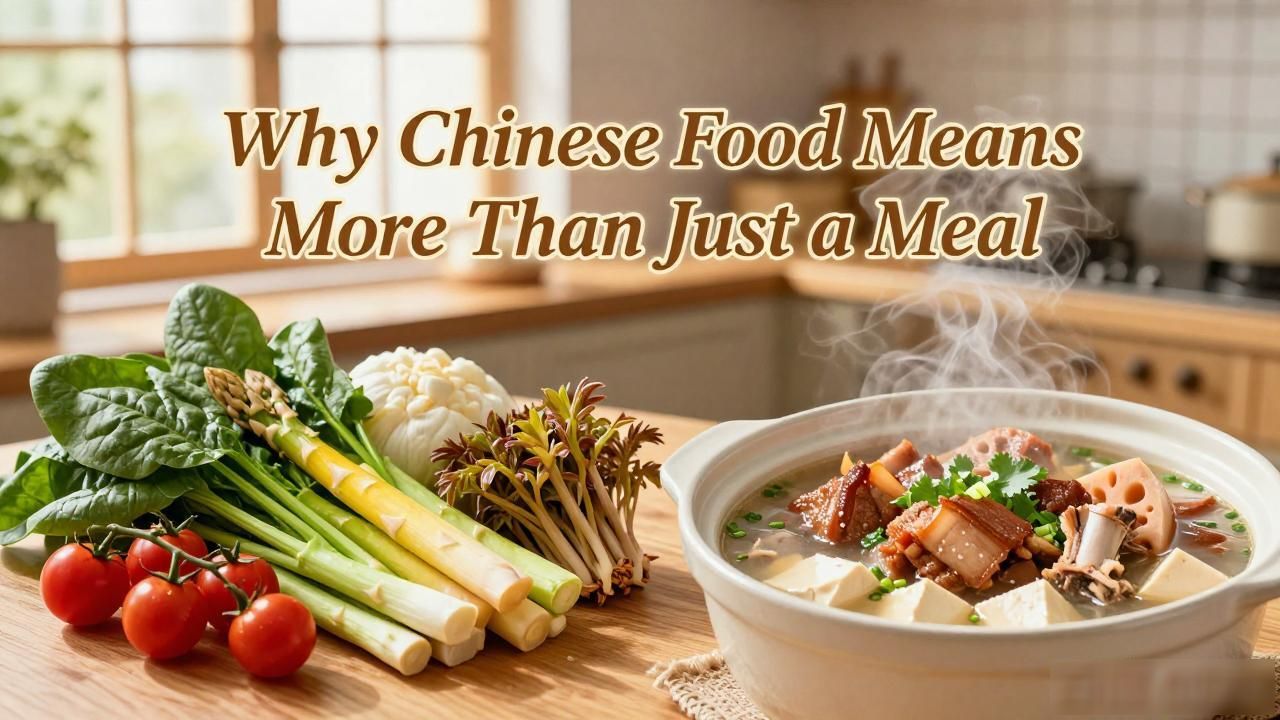
Seasonality plays a crucial role as well. Eating according to the lunar calendar connects people with nature’s rhythms. Spring brings fresh greens to rejuvenate the body, while winter invites hearty stews to preserve warmth. This deep respect for natural cycles means that the menu changes constantly, keeping diners attuned to the environment. Such practices highlight a worldview where humans are part of nature, not separate from it.
Ultimately, Chinese food is a complex tapestry of history, philosophy,and social etiquette. It offers a window into the Chinese soul, revealing values of harmony, respect, and balance. Understanding this cultural significance of Chinese food transforms the dining experience from simple consumption into a meaningful cultural exchange.