
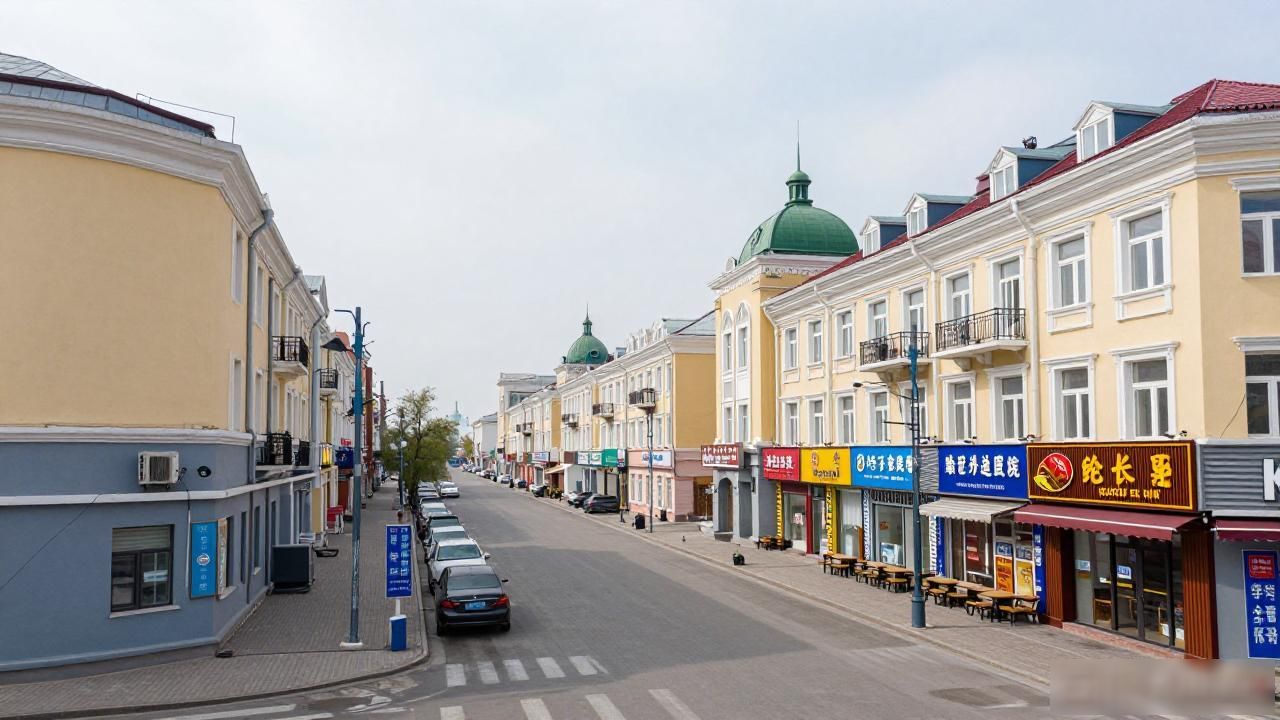
I have been wandering across China for years, but Harbin always stands out to me as one of those cities that wraps around you with its unique charm. The mix of Russian architecture, the frozen Songhua River, and the bustling Central Street create an atmosphere you simply cannot find anywhere else in Asia. If you are planning a trip here, the single most important decision you will make is where to lay your head at night. Getting accommodation right can transform a good trip into an unforgettable one, while a poor choice can leave you frustrated and far from the action.
Where is the best area to stay in Harbin
Most travelers who visit Harbin for the first time end up crashing on Central Street, and honestly, there is a good reason for that. This pedestrian boulevard runs through the heart of the city and puts you within walking distance of Saint Sophia Cathedral, the Ice and Snow Sculpture Festival venues, and countless restaurants serving everything from traditional Chinese dumplings to Russian borscht. The whole area feels alive day and night, which means you can easily explore on foot without hunting for a taxi in freezing temperatures.

However,if you prefer quieter surroundings without sacrificing convenience, look toward the Daoli District just south of the river. This neighborhood offers a more local feel while remaining close to major attractions. You will find better prices for hotels here, and the streets are lined with charming tree-lined avenues that feel worlds away from the tourist crowds. Booking early during winter months is essential since rooms disappear fast when the ice festival season kicks in.
Another option worth considering is the Nangang District, which sits near Harbin Railway Station. This area is ideal if you are using Harbin as a transit point before heading deeper into northeast China. You save time on commute and can grab a cheap meal at the station area before catching an overnight train somewhere else.
How much does it cost to stay in Harbin
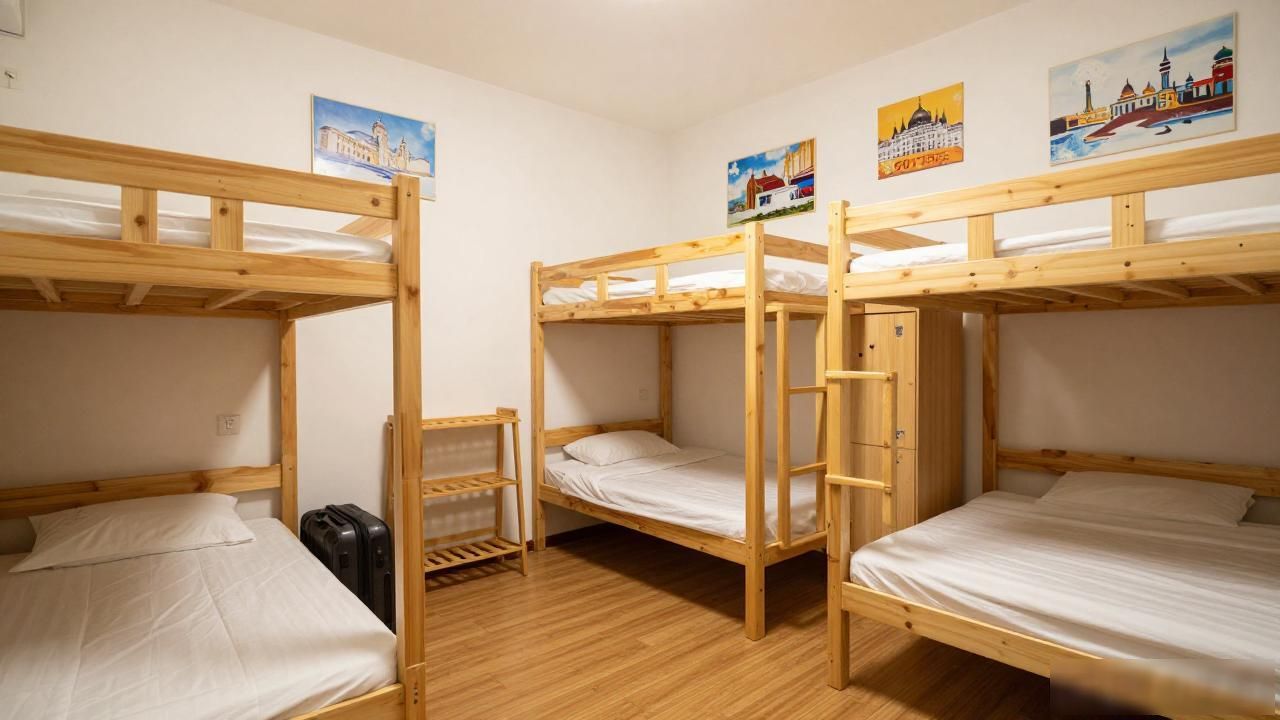
Budget travelers will find Harbin surprisingly affordable compared to cities like Shanghai or Beijing. A decent hostel bed in the Central Street area runs around 80 to 150 yuan per night, and you will often get clean private rooms with shared bathrooms included in that price. Mid-range hotels typically charge between 250 and 500 yuan, offering solid amenities like heated rooms, which matters enormously when outdoor temperatures drop well below zero in winter.
At the higher end, international chains like Marriott and Hilton have properties along the riverfront with stunning views of the Songhua River. Expect to pay between 800 and 1500 yuan per night, but you get what you pay for in terms of comfort and service quality. Foreign visitors should note that most hotels require a valid passport for check-in registration, so keep it handy rather than burying it somewhere in your bag.
Summer stays are noticeably cheaper, and you might score a nice room for half the winter price. This is worth considering if you do not mind skipping the famous ice sculptures but still want to experience the city during pleasant weather when Central Street comes alive with outdoor cafes and street performers.

What should foreigners know about booking hotels in Harbin
Navigating hotel bookings in Harbin as a foreign visitor requires a bit of preparation, but it is not nearly as complicated as some might imagine. Most hotels in the main tourist areas speak basic English, though staff competence varies wildly from property to property. Reading recent reviews on international platforms is the smartest move before committing to any booking, as photos can be misleading and descriptions often stretch the truth.
Payment methods also deserve attention since some smaller hotels may not accept foreign credit cards. Using well-known booking platforms like or Agoda gives you a safety net if something goes wrong, and many properties listed there do accept international cards without hassle. Make sure to confirm whether breakfast is included or extra, as Chinese hotel breakfast standards range from decent dumpling spreads to barely edible congee depending on the price tier you choose.