
China’s winter is far more than the crowded ski resorts and frozen lakes most travelers know. Beyond the well-trodden routes lie quiet valleys, misty mountains, and ancient villages wrapped in snow and silence. For those willing to go deeper, the country reveals a side of winter that feels almost untouched by time.
What Are the Best Hidden Winter Destinations in China
Most people think of Harbin or Zhangjiajie when winter comes to mind. But the real magic hides in places like Jiuzhaigou’s lesser-known sister valleys in northern Sichuan, where hot springs bubble beneath frozen waterfalls and Tibetan monks walk silent paths through silver birch forests. The air is thin,the light is golden, and the silence is profound.
In Guizhou province, the Miao and Dong villages of Taijiang and Congjiang transform into something out of a storybook. Rice terraces turn to mirrors of ice, smoke curls from wooden stilt houses, and the local festivals feel centuries old. These are not tourist traps. They are living communities where winter is still measured by the rhythm of the seasons, not the calendar.
Yunnan’s northwest corner, particularly the areas around Deqin and Shangri-La, offers alpine scenery that rivals the Swiss Alps but with none of the crowds. The Meili Snow Mountain range glows pink in the sunrise, and nearby villages remain accessible only by foot or jeep. The winter here is raw, honest, and deeply moving.
How to Travel These Remote Winter Routes Safely

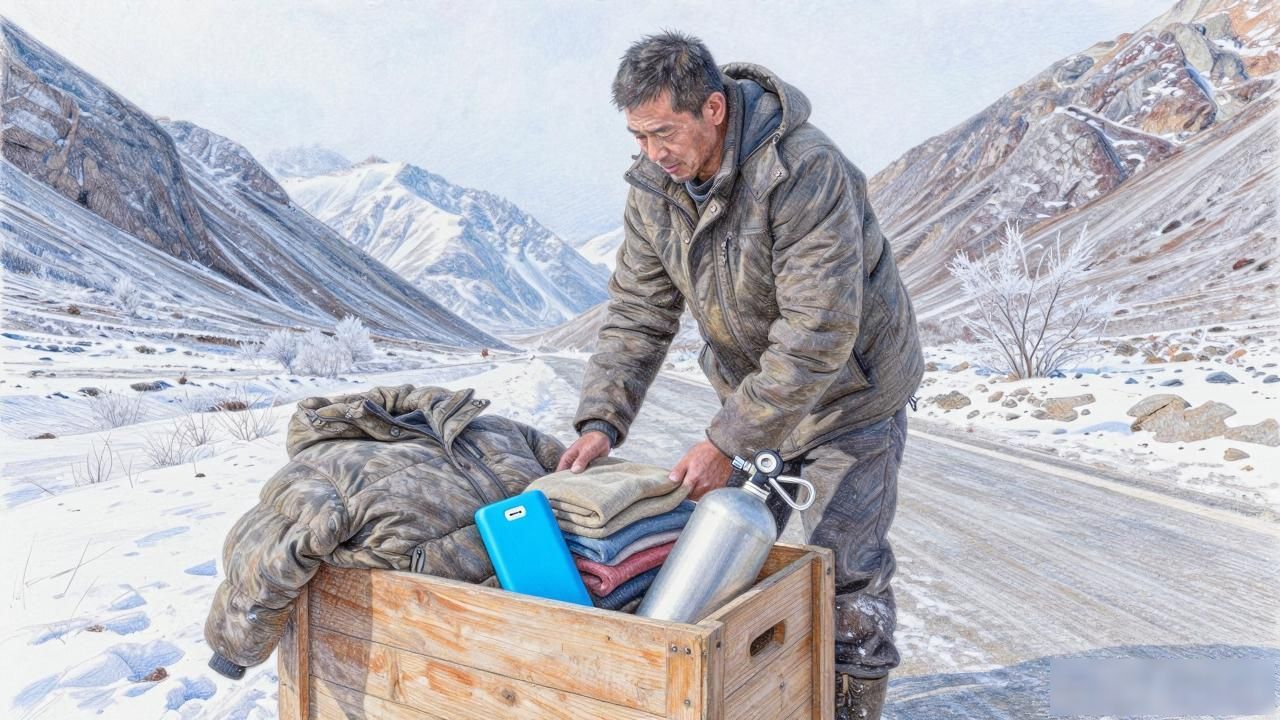
Winter travel in remote China requires preparation that goes beyond packing warm clothes. Many of these destinations lack reliable heating, English signage, or even consistent mobile signal. Travelers should carry power banks, portable oxygen tanks for high-altitude areas, and basic Mandarin phrases for rural interactions.
Public transportation to these places is limited. In places like Nuodeng Village in Yunnan or the Dong villages of Guizhou, the last bus often leaves before noon. Hiring a local driver from a nearby county town is usually the most practical option, though it requires booking well in advance during peak winter months.
Respect for local customs matters more than many visitors realize. In Tibetan and Mongolian communities, photography of prayer wheels, monasteries, or ritual sites may be restricted. Always ask before pointing a camera. A simple gesture and a smile go further than any guidebook advice.
Why You Should Visit China’s Winter Wilderness
There is a reason these places remain hidden. They are not marketed, not optimized, and not convenient. But that is precisely what makes them worth the effort. Standing in a frozen valley where no tour bus has ever arrived changes how you see an entire country.
China’s winter off the beaten path is not about checking boxes. It is about cold fingers, warm tea in a wooden home, and the kind of stillness that reminds you why travel matters in the first place. The landscapes are stark, the people are warm, and the memories stick far longer than any postcard view ever could.