
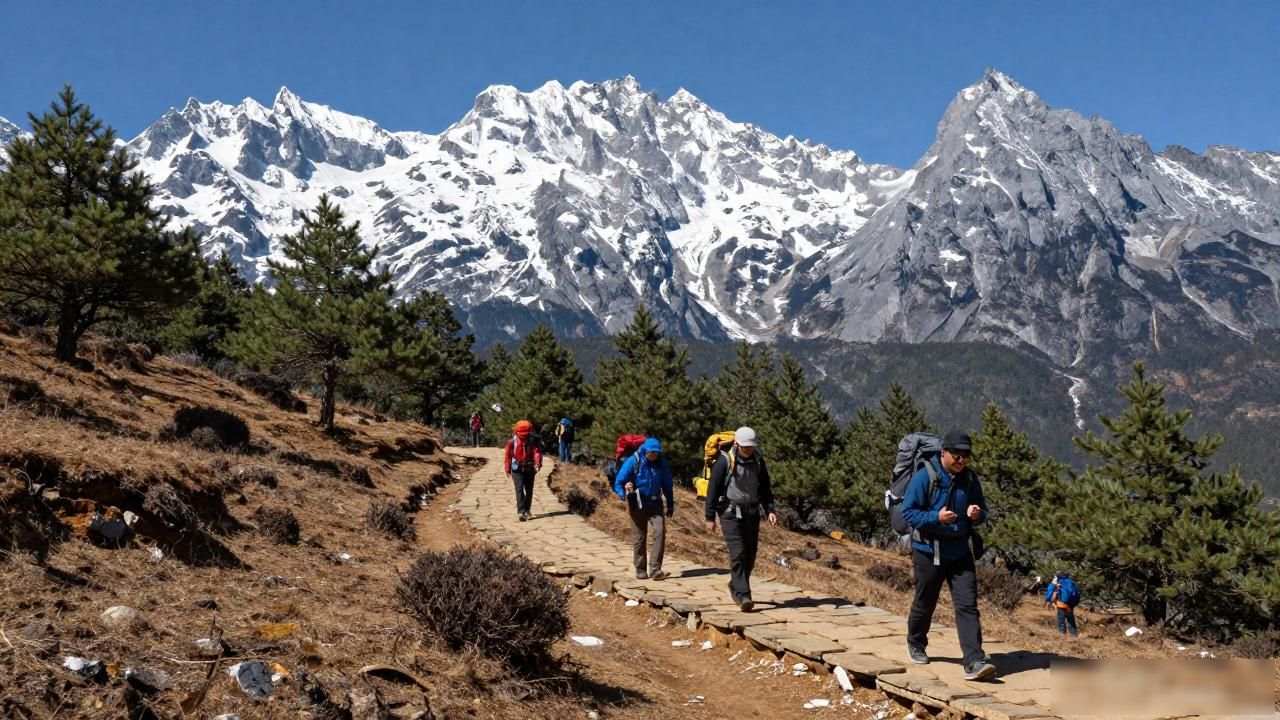
Top Rural Hiking Destinations in China
When people think of hiking in China, they picture the Great Wall or Zhangjiajie’s towering pillars. Both are spectacular, but honestly,they cater more to mass tourism than the kind of quiet, immersive trekking most foreign travelers actually want. The real magic lies further out, in places where village paths thread through terraced rice fields, bamboo forests, and mist-shrouded ridges — far from the crowded scenic spots.

Yunnan Province is an obvious starting point. The trails around Jade Dragon Snow Mountain or the Tiger Leaping Gorge corridor have drawn international hikers for decades, and for good reason. What keeps people coming back isn’t just the dramatic terrain, though — it’s the fact that you can walk through Naxi and Tibetonian villages where hospitality hasn’t been commercialized away. A cup of butter tea offered by a local family along the route means more than any view.
Guizhou deserves equal attention. The karst landscape there creates natural corridors that feel almost otherworldly, yet remain largely under the radar. The Danzhai Ancient Trail connecting small Miao and Dong communities runs through valleys where water buffalo still graze and the only foot traffic you’ll encounter comes from locals heading to market. This is hiking as discovery, not as checklist tourism.

How to Prepare for Rural Hiking in China
Practical preparation matters enormously, and most guidebooks gloss over the realities. You need solid trekking shoes, yes, but also a portable translation app that works offline and at least basic Mandarin phrases. Rural village signs rarely include English, and even bus drivers outside tourist zones may not know how to pronounce your destination’s name in Roman letters.
Cash is your best friend. While major cities have moved almost entirely to mobile payments, many rural guesthouses and small eateries still operate exclusively in cash. Bring small bills — 10 and 20 yuan notes travel further than you’d expect. Credit cards are essentially invisible once you leave county-level towns.
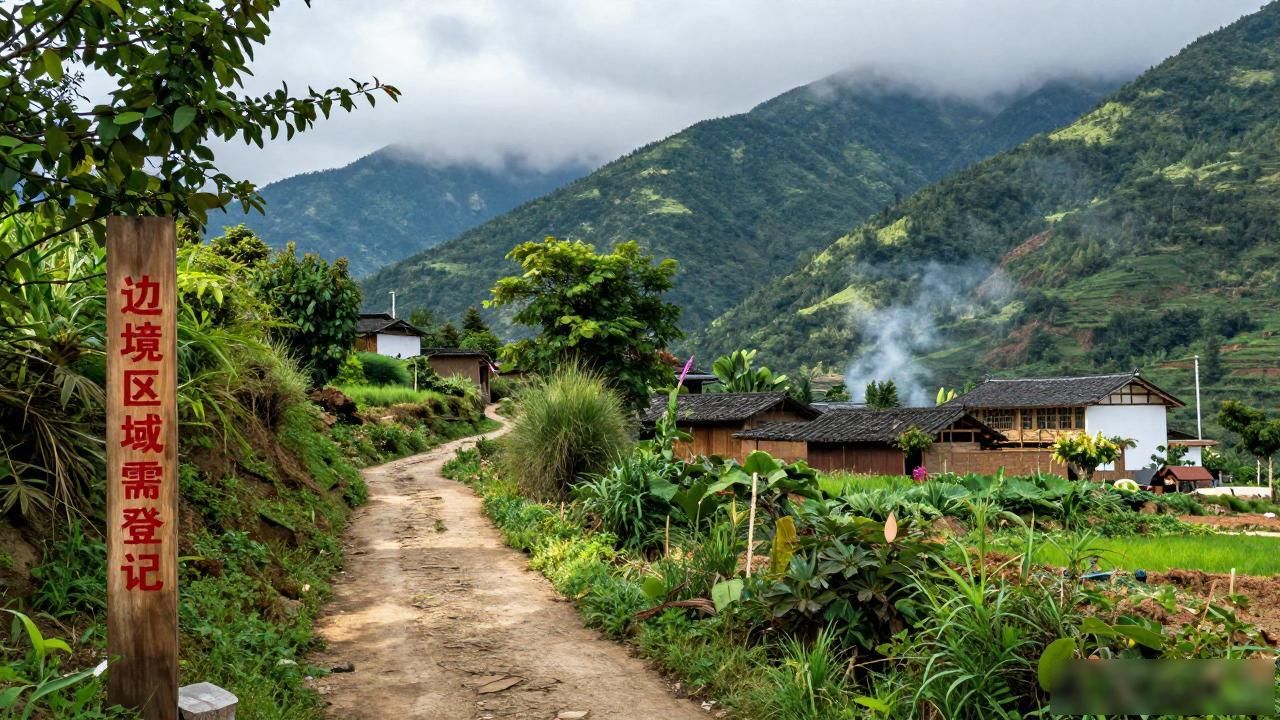
Permits are another consideration that surprises visitors. Some areas near ethnic minority villages or border regions require additional registration. It rarely takes more than filling out a simple form at the local police station, but skipping this step can create problems down the line. Stay aware of the regulations for whichever province you’re targeting and plan extra time for paperwork rather than treating it as an afterthought.
The trails themselves tend to be well-trodden by locals even when they appear unmaintained by Western standards. Watch the ground carefully around river crossings and steep descents — erosion can make segments look stable until they aren’t. Local villagers often mark dangerous stretches with stacked stones or red cloth strips, so learning to read those informal signals will serve you better than any map app.