
A trip to Yunnan is never complete without a suitcase bursting with locally made treasures. The province is a patchwork of ethnic groups, each carrying centuries-old techniques through their hands. From silverwork to tie-dyed cloth, Yunnan handicrafts are not souvenirs but stories woven into every stitch, carved into every piece of wood. Travelers who seek them out often discover a deeper connection to the land itself.
What Kinds of Handicrafts Are Most Famous in Yunnan

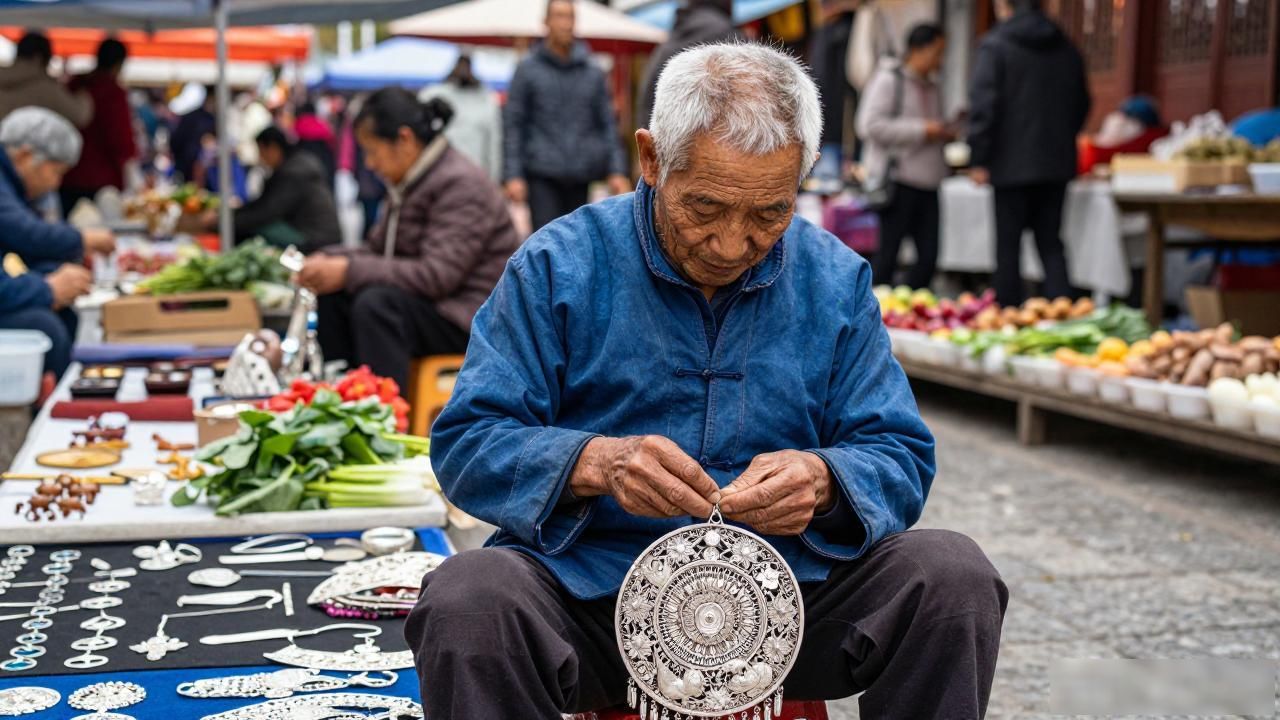
Silver jewelry is perhaps the most recognizable craft of the region. The Hani and Miao communities are renowned for their intricate filigree work, often shaped into flower patterns, animal motifs, and elaborate headdresses. Walk through the morning markets of Dali or Lijiang, and you will see elderly women selling silver earrings and necklaces that catch the light like tiny suns. These pieces are not cheap factory products. Each one is hammered and shaped by hand,passed down through generations of artisans.
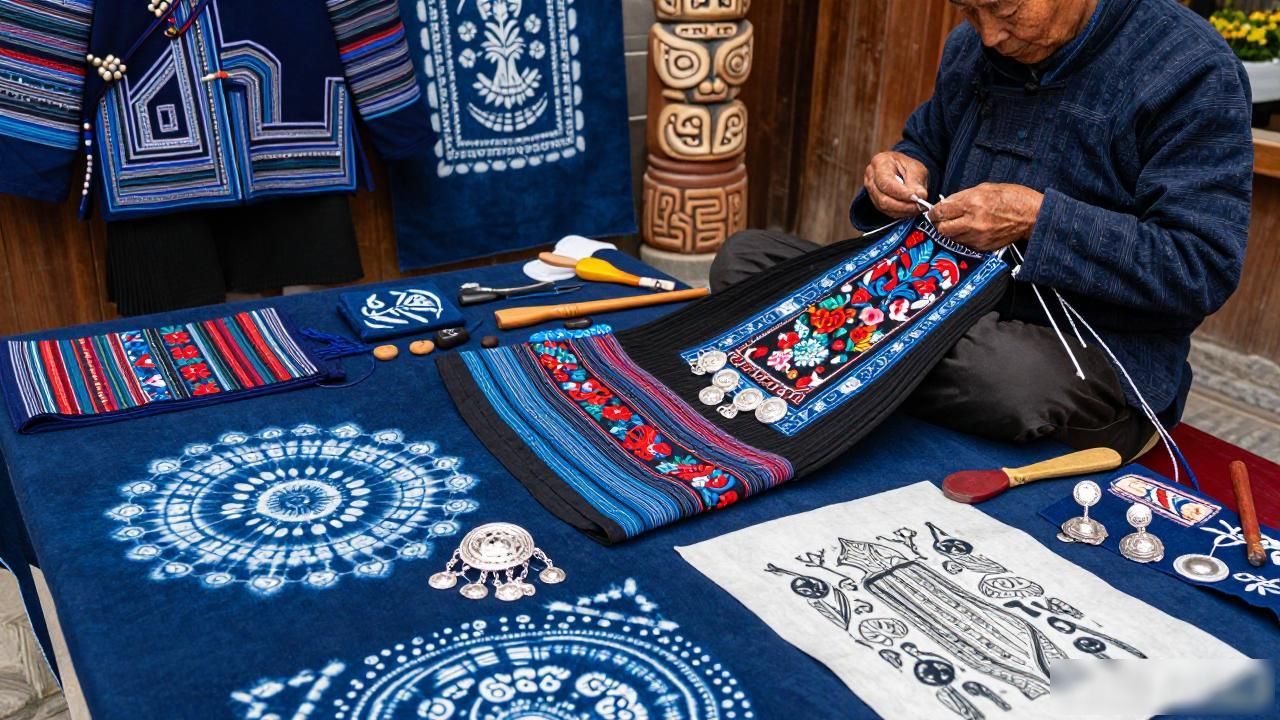
Tie-dye fabric holds another special place in Yunnan’s craft tradition. Villages around Dali have practiced this technique for over a thousand years. Artisans fold cotton cloth, bind it tightly with string, and dip it into vats of natural indigo dye. The result is a stunning array of blue-and-white patterns that vary with every batch. You can visit small family workshops where the process is shown live, and many visitors leave with scarves, table runners, or even clothing dyed by their own hands.
Wood carving is less widely known but no less beautiful. The Naxi people of Lijiang have long decorated their homes with carved wooden screens, furniture, and religious objects. These pieces often depict scenes from daily life, mythical creatures, or Buddhist symbolism. The craftsmanship is detailed and patient, requiring months of work for larger items. Buying directly from a carver’s workshop gives you the opportunity to ask questions and understand the meaning behind each design.
Where Can You Find Genuine Handicrafts in Yunnan
Markets are the heart of the handicraft trade. The Sunday market in Dali Old Town is one of the most famous, drawing vendors from surrounding villages who bring everything from embroidered cushions to bamboo baskets. Lijiang’s weekly markets operate on a rotating schedule, with different villages taking turns throughout the month. Shuanglang, near Erhai Lake, also hosts regular artisan gatherings where you can watch craftspeople at work.
Buying directly from makers is always the best approach. Small cooperatives and family-run shops exist throughout the countryside, particularly in places like Zhoucheng village near Dali, where tie-dye families welcome visitors. Paying a little more at these sources ensures the money goes to the actual artisan rather than to middlemen or imported replicas. It also means you can learn about the making process and take home a piece with a genuine story.
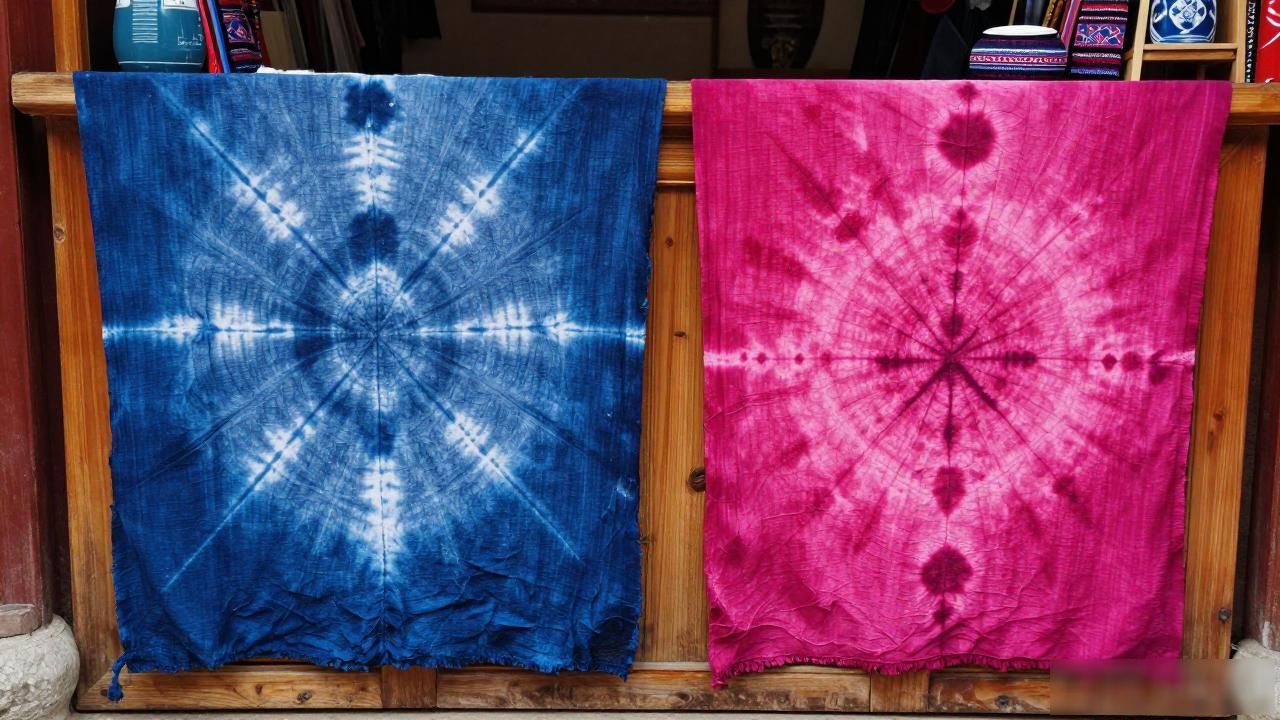
The key to identifying authentic work is simplicity. Handmade items carry slight imperfections, and the colors may not be perfectly uniform. Mass-produced copies tend to look too neat, too identical, and often use synthetic dyes that produce overly bright hues. When in doubt, ask the seller where the item was made and whether it was produced locally. Most honest artisans will gladly share those details.
Owning a piece of Yunnan craftsmanship means carrying forward a living tradition. Every item purchased supports families and communities that have preserved their skills through changing times. It is a quiet act of cultural preservation that travels with you long after the trip ends.