
Beijing stands as one of the world’s great ancient cities, where over three thousand years of Chinese civilization left behind a wealth of historical treasures. For visitors from abroad, navigating this vast landscape can be daunting. The real question most travelers ask is simple: which historical sites truly deserve a spot on the itinerary? This guide cuts through the noise and focuses on what matters.
What Are the Must-See Historical Sites in Beijing
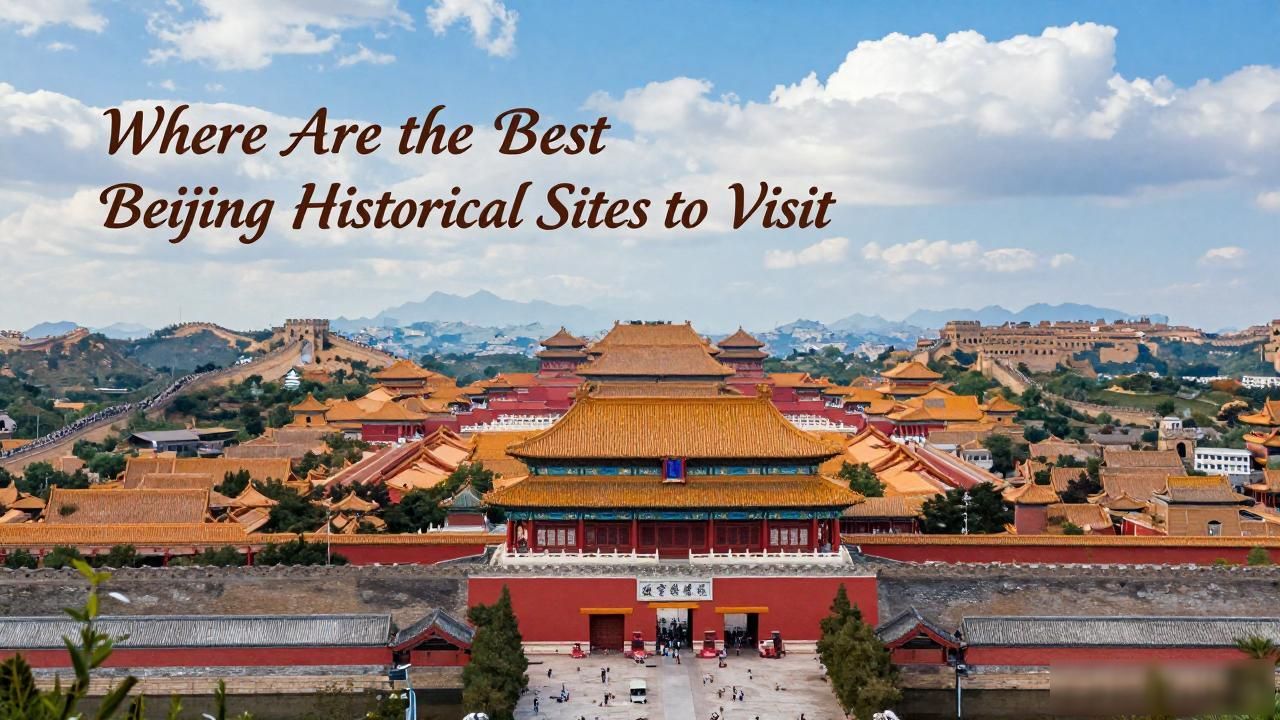
The Forbidden City demands no introduction. Walking through its towering red walls and golden-tiled roofs feels like stepping into a different era entirely. The complex once housed twenty-four emperors during the Ming and Qing dynasties, and every courtyard tells a story of imperial ambition and intrigue. Arrive early before tour buses flood the main halls. The Hall of Supreme Harmony remains breathtaking regardless of how many times you have seen photographs of it.

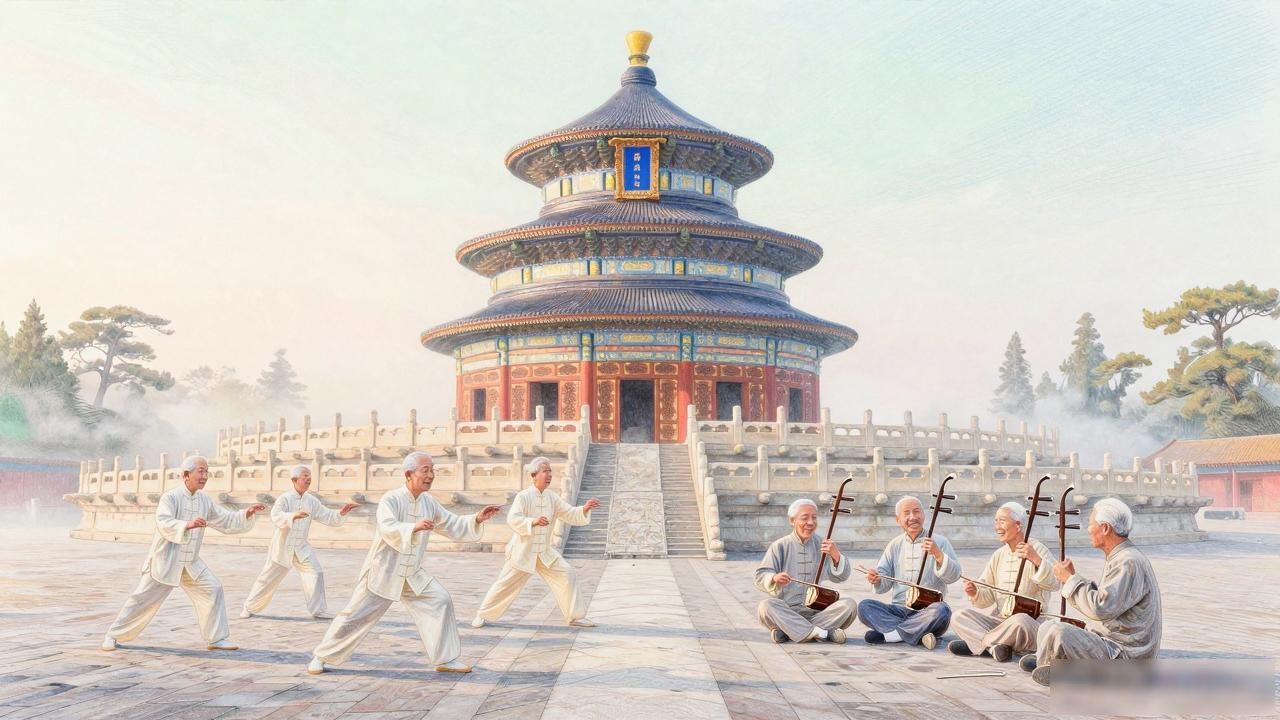
The Temple of Heaven deserves equal attention, yet fewer crowds wander its grounds. The famous Circular Hall of Prayer for Good Harvests with its striking blue roof has become an iconic symbol of Beijing. Local elders gather here each morning to practice tai chi and play traditional instruments. Watching them against this extraordinary architectural backdrop offers a glimpse into how ancient monuments continue shaping daily life centuries after their construction.
The Great Wall stretches across northern China, but not all sections are worth your time. Mutianyu offers a beautifully restored stretch with stunning views and manageable crowds. Jiankou appeals to adventurous hikers seeking raw, unrestored beauty. Choosing the right section makes all the difference between an unforgettable experience and a frustrating disappointment. Plan your visit carefully and consider hiring a local guide who knows the terrain well.
Which Historical Site in Beijing Should You Explore First
Start your journey at the Temple of Heaven on a weekday morning when the atmosphere feels most authentic. Spend two hours exploring the grounds, then take a short taxi ride toward the city center. The Forbidden City awaits just beyond Tiananmen Square, one of the world’s largest public squares. Book tickets online weeks in advance because same-day purchases are nearly impossible during peak travel seasons.
After spending several hours inside the Forbidden City, head north toward Jingshan Park for a panoramic view of the entire complex from above. The hilltop vantage point provides exactly the perspective most visitors crave. Sunset paints the ancient rooftops in warm amber tones that photographs simply cannot capture. This sequence allows you to pace yourself without rushing between locations on the same day.
The Drum Tower and Bell Tower area nearby offers a quieter historical experience. These structures served as Beijing’s timekeeping centers for centuries. Today the neighborhood transforms into a charming mix of hutong alleys,artisan shops, and small cafés. Venturing beyond the major monuments reveals a Beijing most tourists never discover. Walking these narrow passages feels like stepping into a completely different city, one where old Beijing traditions persist alongside modern life.
How to Get the Most Out of Your Beijing Historical Sites Tour
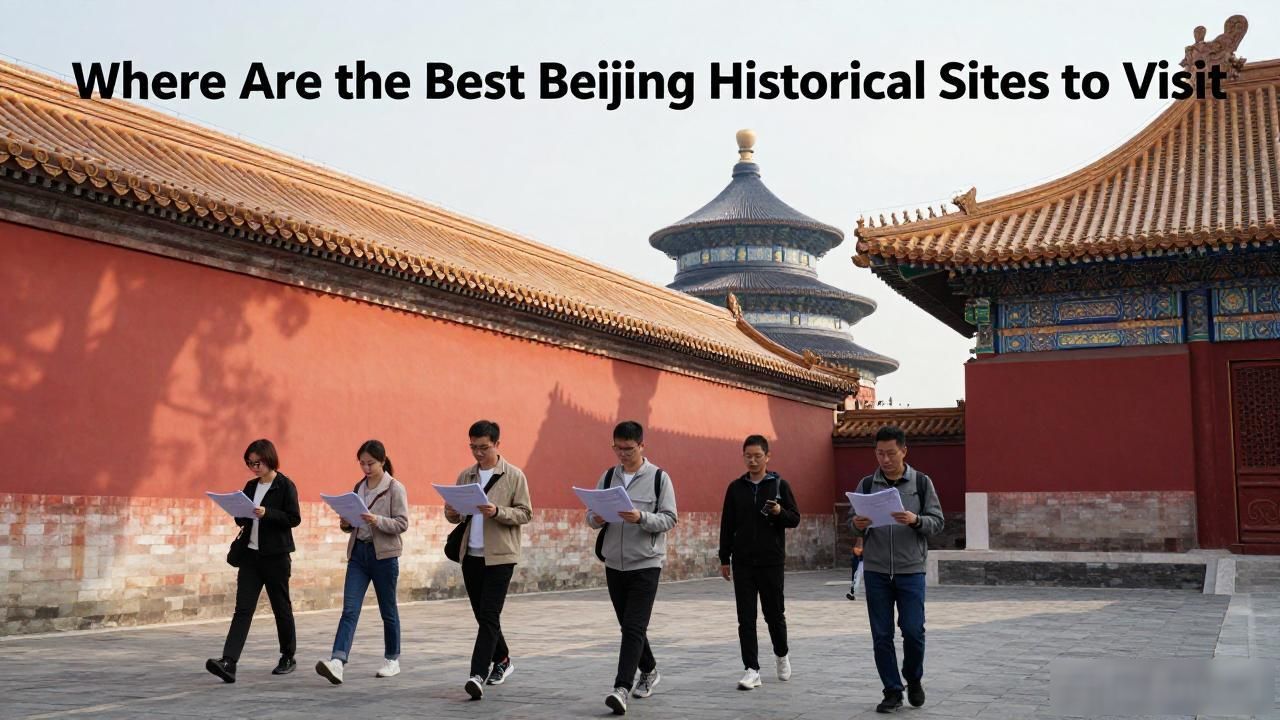
Wear comfortable shoes and carry water. Beijing’s historical sites involve considerable walking across expansive grounds, and summer heat can be unforgiving. Bring cash for small vendors inside the complexes, though most major attractions accept international credit cards now. Download offline maps before arrival since internet connectivity can be unreliable at some locations.
Consider hiring a knowledgeable guide for at least one full day. A good guide transforms stone walls and wooden palaces from interesting ruins into vivid narratives filled with political drama, personal stories, and cultural context. You will notice details you otherwise would miss entirely. Understanding the stories behind each site deepens the experience immeasurably. Choose someone fluent in your language and experienced with foreign visitors who understand what questions matter most.