
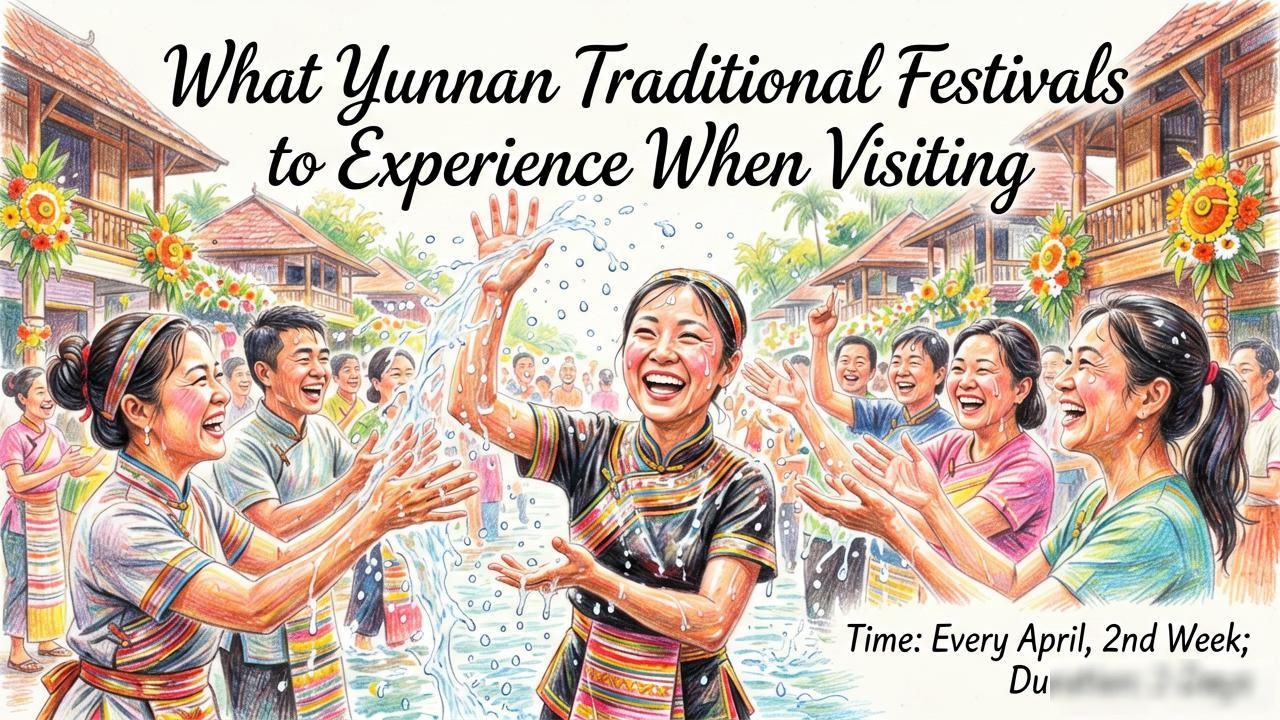
Yunnan province in southwest China is home to dozens of ethnic minority groups, each carrying its own unique festival traditions. From the water-splashing rituals of the Dai people to the blazing torches of the Yi, these celebrations offer travelers a rare window into living cultures that have persisted for centuries. Understanding when and where these festivals take place is the key to planning a trip that feels genuinely immersive rather than superficial.
What Are the Most Famous Yunnan Traditional Festivals

The Water Splashing Festival stands as Yunnan’s most iconic celebration, drawing thousands of visitors each year to Xishuangbanna during the second week of April. This is the Dai New Year, and the entire city transforms into a water fight that lasts three days. Locals and tourists alike drench each other with buckets and water guns,symbolizing the washing away of bad luck from the previous year. The atmosphere is electric, and if you want to participate fully, bring waterproof bags for your electronics and plan to get thoroughly soaked.
The Torch Festival, celebrated by the Yi and Naxi peoples in mid-July or early August, offers a dramatically different experience. Villages across northern Yunnan light towering bonfires as people dance, sing, and compete in bullfighting events. The town of Lijiang becomes a sea of flames and faces painted with ash. This festival marks the end of the planting season and honors ancestral spirits, making it both festive and deeply spiritual for those who take part.
When Is the Best Time to Visit Yunnan for Festival Season
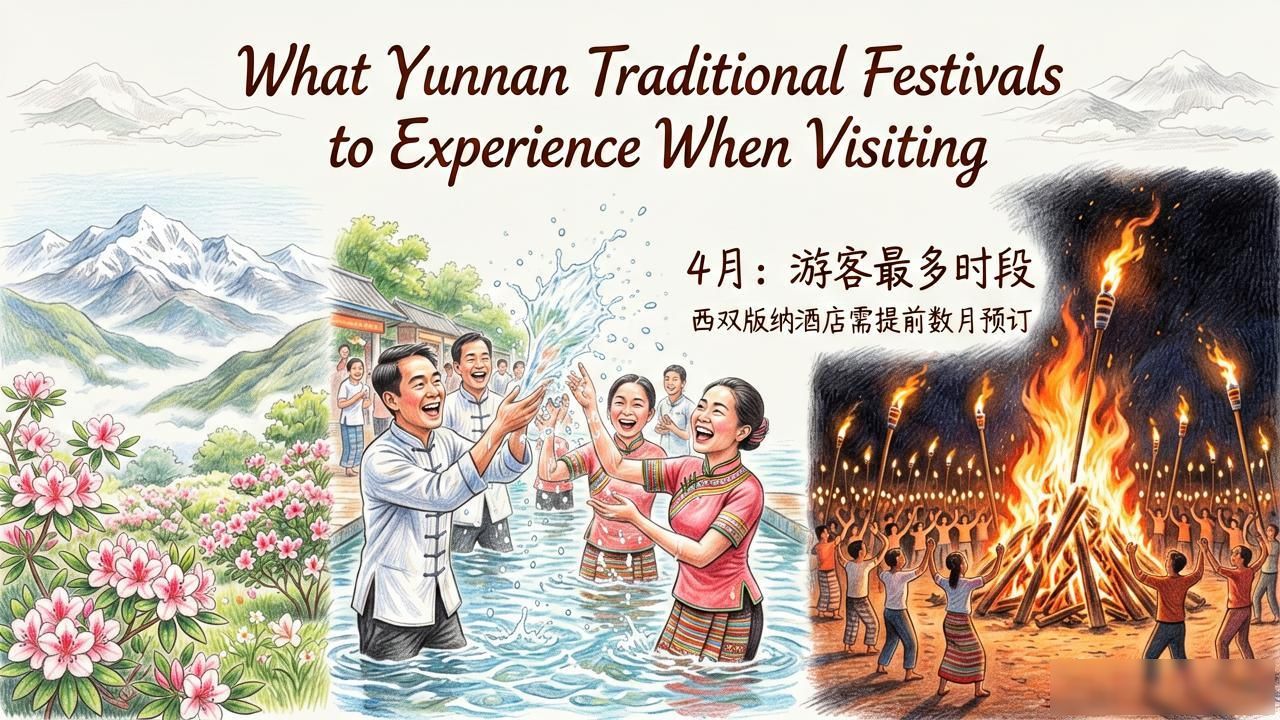
Spring between March and May delivers the best weather and the Water Splashing Festival in April, making it the most popular window for visitors. Hotels in Xishuangbanna book up months in advance during this period, so planning ahead is essential. The summer months bring the Torch Festival and the vibrant flower drum celebrations of various ethnic groups in remote mountain villages. These smaller festivals attract fewer crowds but require more effort to reach.
Autumn festivals in September and October coincide with harvest season, and rural communities hold thanksgiving ceremonies that are far less commercialized than the big tourist draws. If you are willing to venture beyond the usual travel routes, visiting these quieter celebrations can feel like stepping into an entirely different world.
How Can Travelers Respectfully Join Yunnan Traditional Festivals
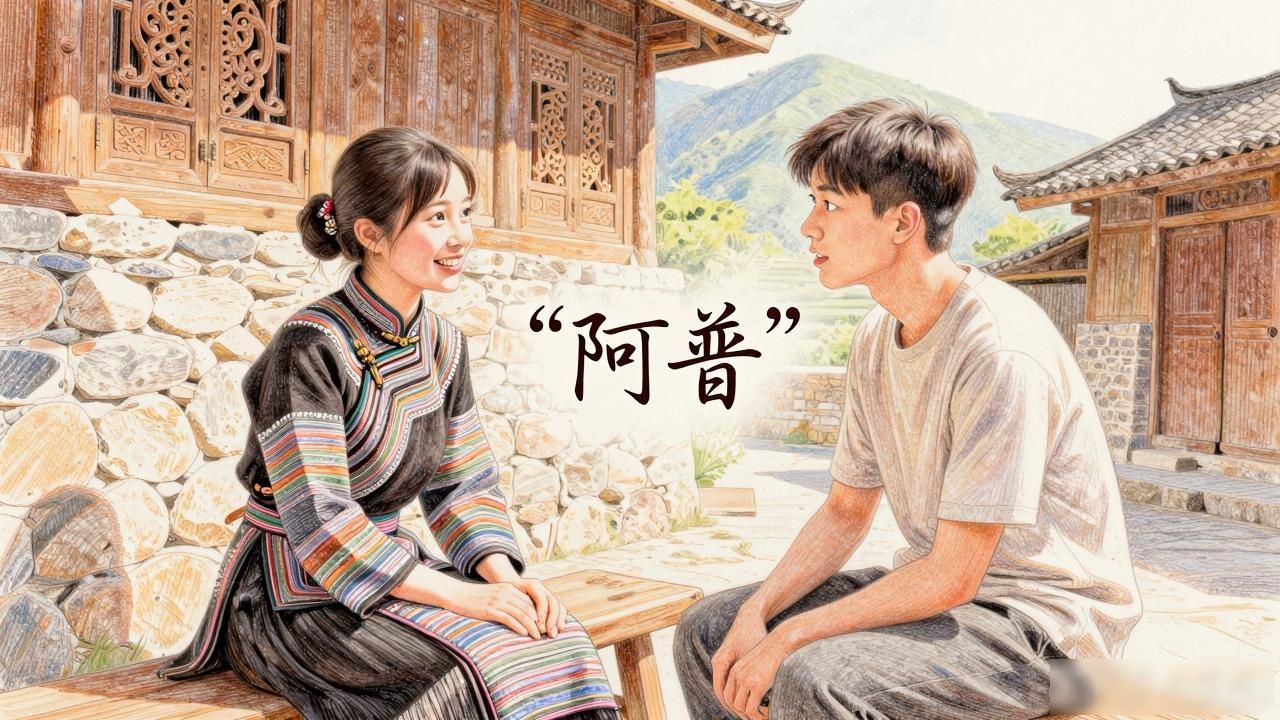
Approach each festival with genuine curiosity rather than treating it as a photo opportunity. Many ethnic communities welcome outsiders who show sincere interest in their customs, but they quickly sense when visitors are merely checking boxes on a bucket list. Learn a few basic greetings in the local language, dress modestly, and ask permission before taking photos of people or sacred rituals.
Some festivals involve religious elements that outsiders are not permitted to film or participate in. Respecting those boundaries matters more than getting the perfect shot. Local guides familiar with the customs can help navigate these situations and ensure your presence adds value rather than disruption.