
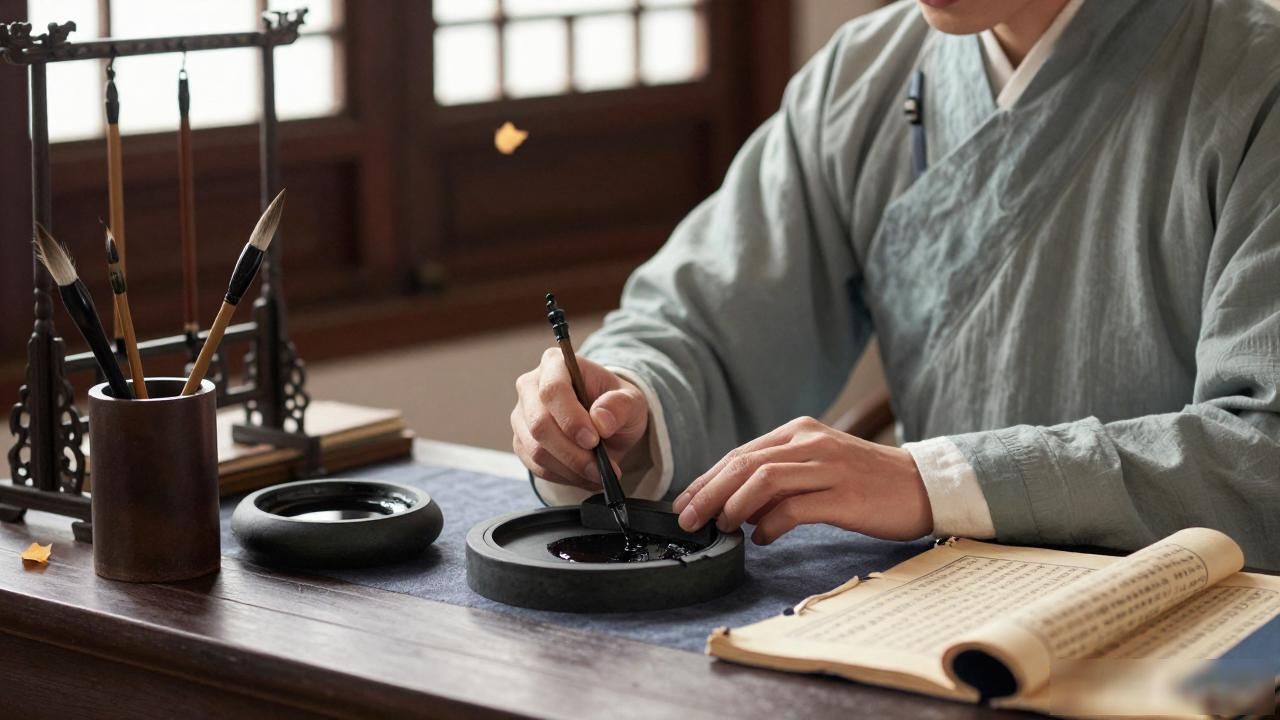
There is something deeply calming about grinding ink and watching it slowly release its fragrance. I have been teaching Chinese calligraphy to Western students for over fifteen years, and one question comes up again and every time it reveals something important about how people approach this art form. The ink you choose can make the difference between a stiff lifeless stroke and one that breathes with vitality. Let me share what I have learned from years of practice and from watching hundreds of students find their path.
How Is Traditional Chinese Calligraphy Ink Made
The story of Chinese ink begins long before anyone picked up a brush. Ancient artisans discovered that burning pine wood produced a fine soot that could be mixed with animal glue and shaped into solid sticks. This pine soot ink became the foundation of East Asian calligraphic tradition and it still holds tremendous relevance today.
Most high quality traditional ink sticks still use pine soot as their base ingredient. The longer the pine burns, the finer the soot particles become,and the richer the black color turns out to be. Some craftsmen add other materials like oil soot or even gold dust to create special effects. The glue used is typically from deer or cow hides, and this natural binder gives the ink its unique flow properties when ground with water.

When you grind an ink stick on an inkstone, you are not just making ink. You are participating in a meditative ritual that has connected artists across centuries. The rhythmic circular motion slows your breathing and prepares your mind for the work ahead. Many of my students report that this simple act of grinding becomes the most peaceful part of their practice session.
Which Chinese Calligraphy Ink Works Best for Beginners
This question deserves careful attention because beginners often rush into buying expensive supplies without understanding what they actually need. The market offers everything from pre made liquid ink bottles to hand carved ink sticks that cost more than a textbook. Let me help you cut through the confusion.
For starting out, a decent bottle of liquid ink will serve you well. Brands like Shanghai Ink Factory or Nakabayashi offer consistent results at reasonable prices. These inks are convenient and eliminate the learning curve of ink stick grinding. However, I strongly recommend trying a basic ink stick at least once during your first six months of practice. The experience teaches you patience and gives you deeper control over ink density.
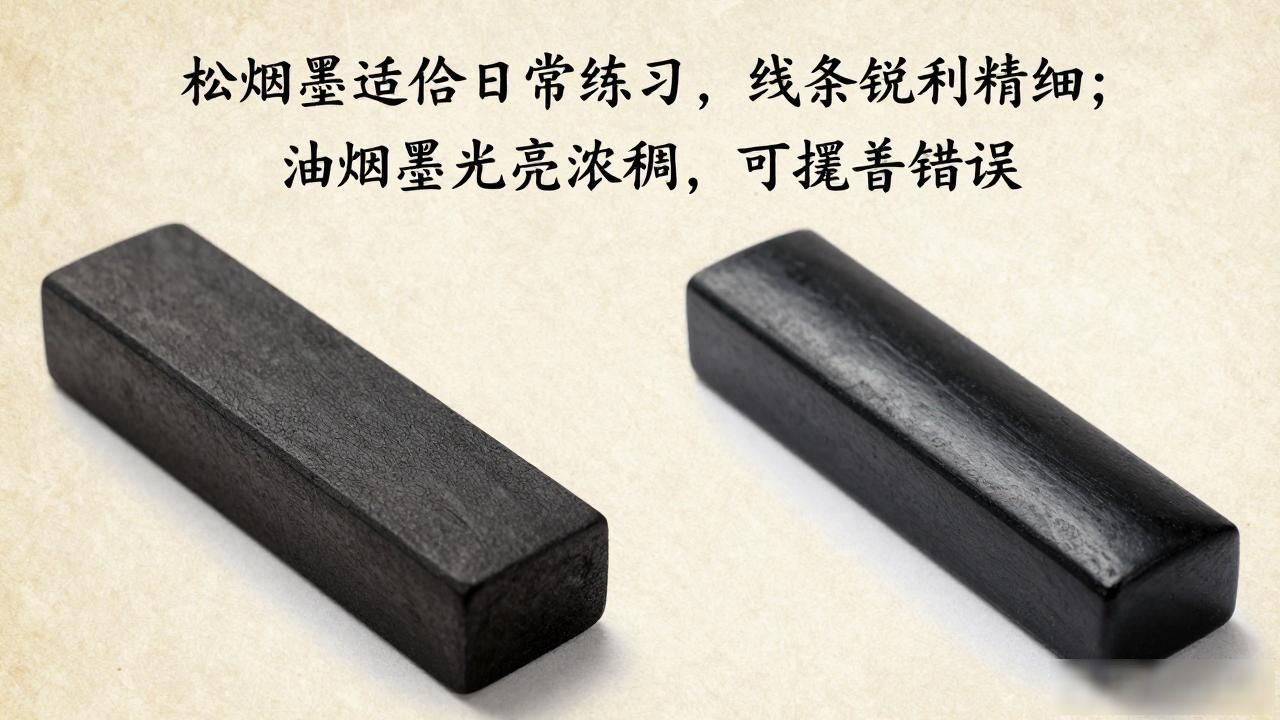
If you decide to move toward ink sticks, look for products labeled with pine soot rather than oil soot for general practice. Pine soot produces sharper more refined lines that reveal your brush technique clearly. Oil soot inks tend to be glossier and thicker, which can hide mistakes but also mask the subtle variations that help you improve. A mid range ink stick costing between fifteen and thirty dollars will give you excellent feedback as you develop your skills.
Pay attention to how the ink behaves on different paper types. Xuan paper absorbs ink quickly and shows every nuance of your brushwork. Machine made copy paper is more forgiving and can help beginners build confidence before transitioning to traditional materials.
How to Store and Care for Your Calligraphy Ink
Proper storage matters more than many beginners realize. An opened bottle of liquid ink should be kept tightly sealed in a cool dark place. Exposure to air causes the solvent to evaporate, thickening the ink and changing its consistency. If your ink becomes too thick over time, add distilled water drop by drop while stirring gently. Never use tap water since the minerals can alter the ink chemistry.
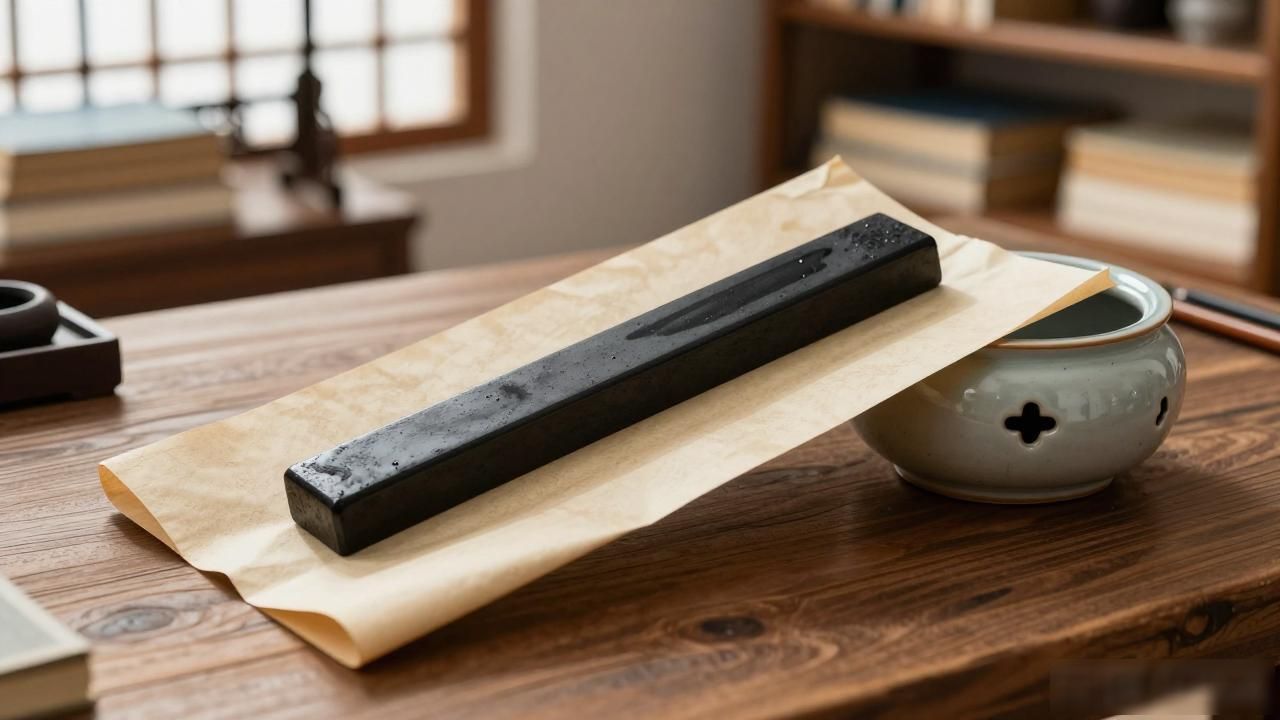
Ink sticks deserve equal care. Keep them wrapped in their original paper or placed in a breathable container away from humidity. Moisture is the enemy of solid ink sticks and can cause them to crack or develop mold. If you notice any surface changes, simply wipe the stick gently with a dry cloth before grinding.
A good inkstone should be cleaned after each use with plain water and a soft sponge. Do not let dried ink accumulate on the grinding surface since this damages the stone over time. The quality of your inkstone affects how smoothly the ink stick grinds and how fine the resulting ink particle becomes.
Investing time in understanding your materials transforms the entire practice. The ink is not merely a tool but a partner in your artistic journey. When you respect its nature and learn to read its behavior on paper, you unlock a dimension of expression that goes beyond mere technique.