
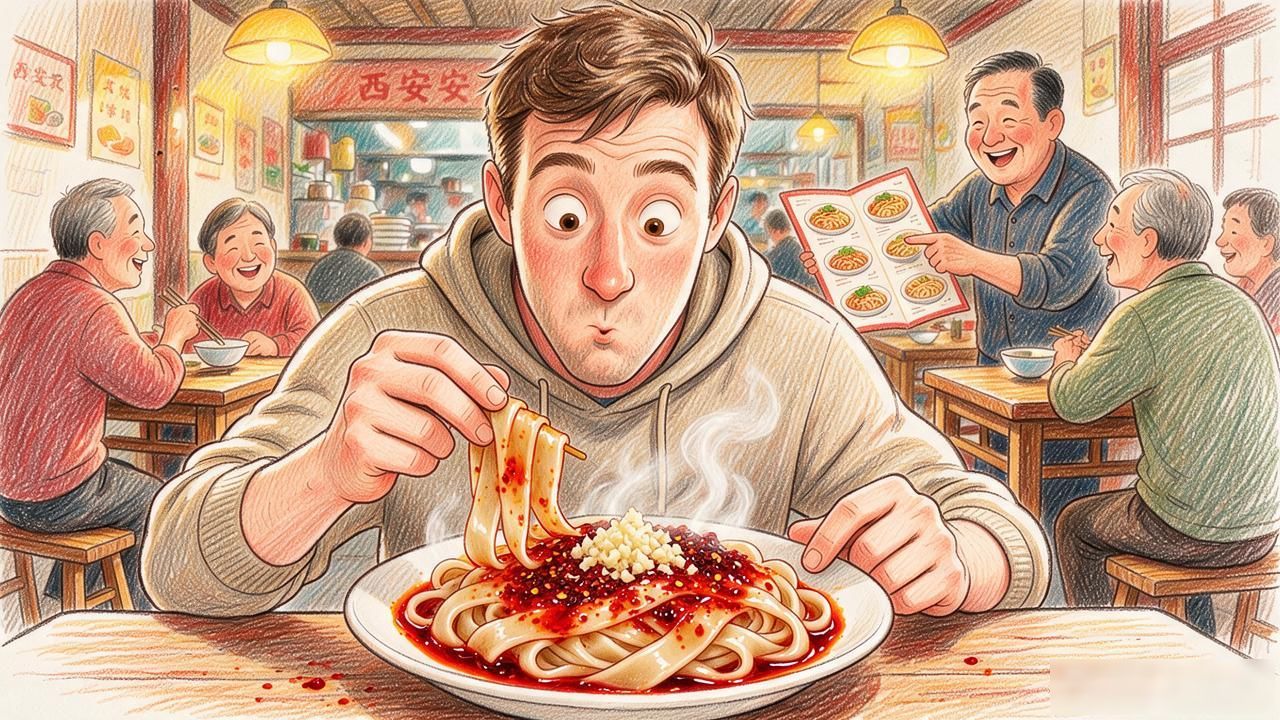
When I first arrived in Xi’an, the smell of cumin and chili oil hit me like a wave. It was unlike anything I had tasted back home. Xi’an, the ancient capital of China, is not just about the Terracotta Army or city walls. Its food tells stories of Silk Road traders, desert caravans, and generations of families who have perfected their recipes over centuries.
What Makes Xi’an Street Food Unique
Walking through Muslim Quarter feels like stepping into another world. Narrow alleys lined with steam-filled stalls stretch endlessly, each one promising something unforgettable. The locals here speak a blend of Mandarin and local dialect, but food is their universal language.
You will see massive griddles sizzling with roujiamo, often called the Chinese hamburger. It consists of slow-cooked beef or pork tucked inside a crispy flatbread. I spent weeks figuring out the perfect bite before finally getting it right. Next to it stands a vendor folding hand-pulled noodles with practiced ease, sending long strands of dough flying through the air.

One evening, I tried biangbiang noodles for the first time. These thick, wide ribbons of noodles come topped with chili oil, garlic, and vinegar. The name itself comes from the sound the dough makes when slapped against the counter. Locals laughed at my awkward attempts at ordering in Chinese, but they never refused to share tips on where to find the best bowls.
Street vendors treat you like family if you show genuine interest. They will explain each dish, ask where you are from, and sometimes even offer extra toppings as a gesture of hospitality. This warmth transforms a simple meal into a cultural exchange.
Hidden Eateries Worth Seeking Out
Beyond the crowded tourist spots lie small eateries loved by residents. Behind a nondescript door near Dayan Pagoda, an elderly couple has served lamb soup for over forty years. The broth simmers all day, developing a depth that no chain restaurant could ever replicate.

I discovered this place through a chance conversation with a taxi driver who simply pointed and said, “Go there.” No explanation needed. Inside, the walls are covered in faded photographs of past customers. There is no English menu, but pointing at what others are eating works perfectly.
Another gem is a tiny dumpling shop in a residential neighborhood. You enter through a narrow corridor lined with bicycles and laundry, only to emerge into a warm dining room filled with laughter. The dumplings here are hand-folded with precision, each one containing a secret ratio of meat and broth that melts on your tongue.
These places do not appear on guidebooks. They survive on word of mouth and repeat customers who return year after year. Finding them requires curiosity, patience, and a willingness to step outside your comfort zone.
How to Navigate the Food Scene Like a Local
Payment in Xi’an is almost entirely digital now. WeChat Pay and Alipay dominate every transaction, from luxury restaurants to street carts. Carrying cash is still useful in some smaller shops, but relying on it alone will limit your options significantly.
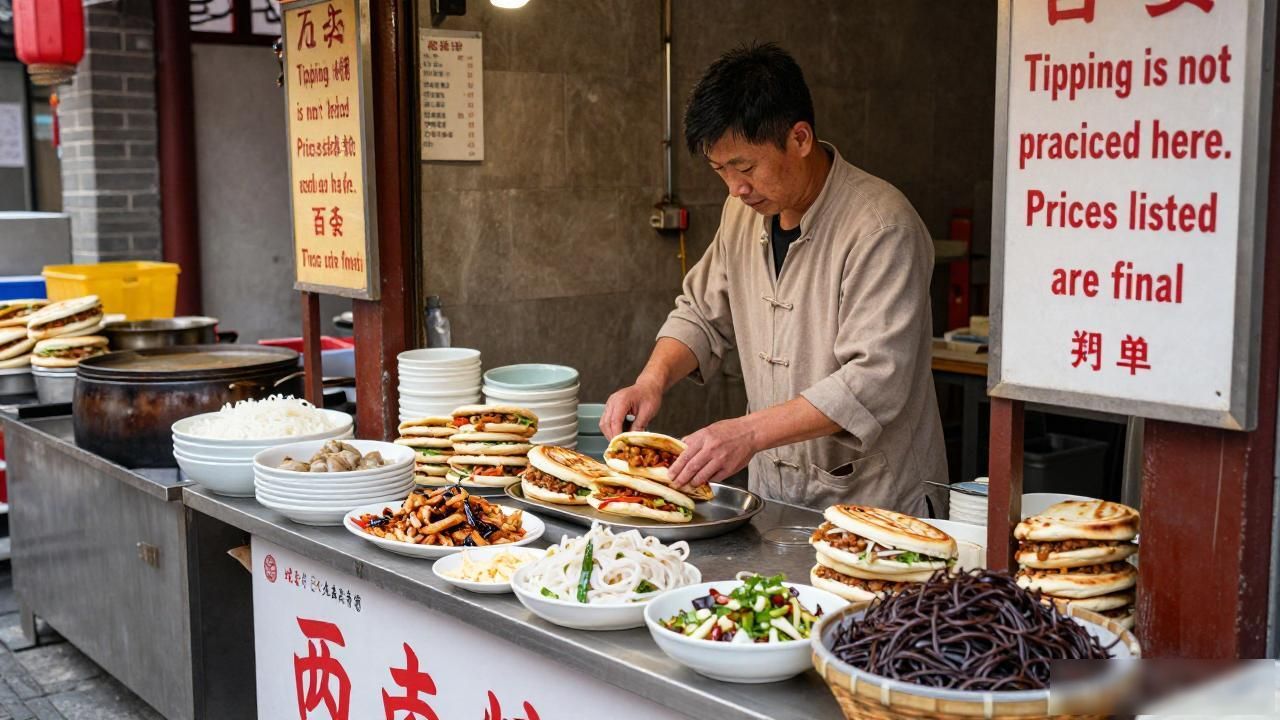
Tipping is not practiced here. Prices listed are final, and quality is assumed rather than expected through extra payment. If a meal disappoints, you simply do not return. Reputation speaks louder than any reward system.
Many restaurants do not have menus in English, but translation apps have made ordering much easier. Take a photo of the menu and let the app translate it in real time. This trick alone opened doors to dozens of places I would have otherwise walked past.
Learning basic food-related phrases goes a long way. A simple “wo yao zhe ge” meaning “I want this one” accompanied by pointing earns respect and friendly smiles. The effort matters more than perfection.
Xi’an food culture is not something you consume passively. It demands engagement, curiosity,and an open mind. Every bowl of soup, every grilled skewer, every shared table becomes part of your story there.