
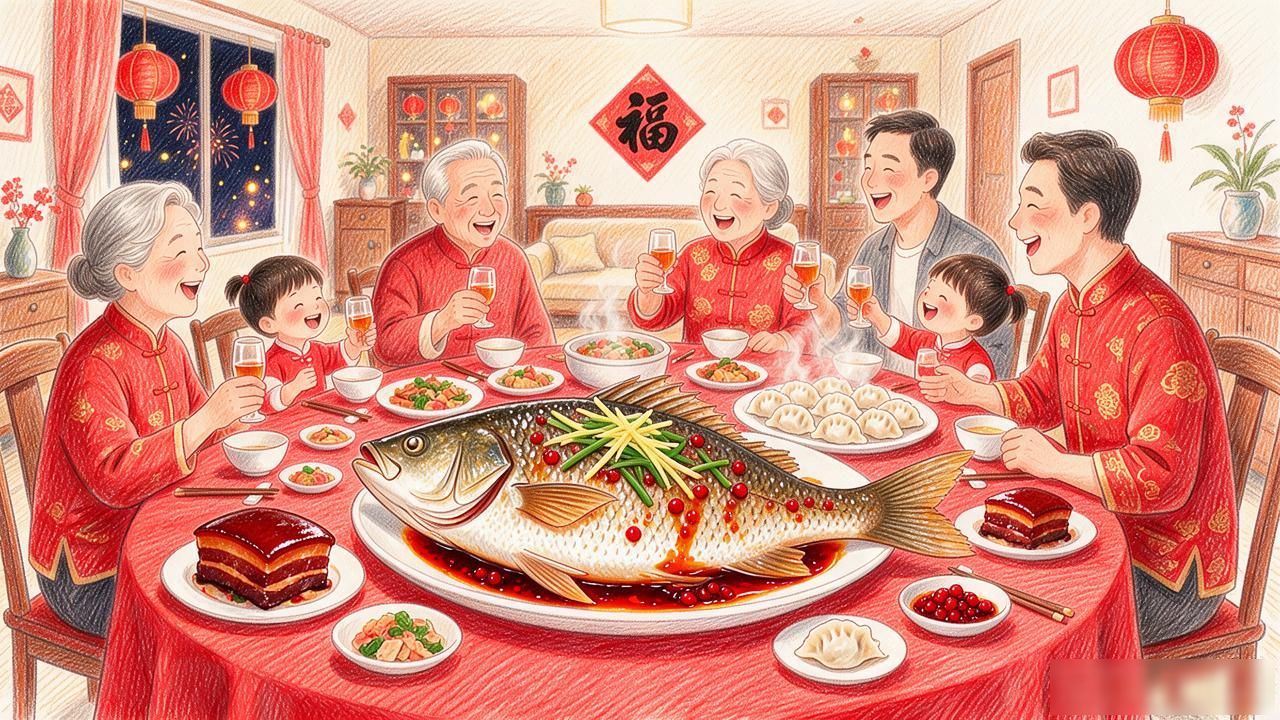
Festive Chinese food goes far beyond the familiar takeout dishes most foreigners encounter. It is a deeply cultural experience where every dish carries symbolic meaning, tying together family bonds, ancient traditions, and regional diversity. When you sit down to a Chinese celebration meal, you are not just eating — you are participating in centuries of heritage that place food at the heart of every important occasion. Understanding these dishes opens a window into one of the world’s most vibrant culinary traditions.
What Are Traditional Festive Chinese Dishes

The Chinese New Year feast is perhaps the most famous example of festive Chinese food. During this time, families gather around a lavish table filled with symbolic dishes. Whole fish is a must — the word for fish sounds like the word for surplus in Chinese, making it a powerful symbol of prosperity and abundance for the coming year. This tradition of eating fish during celebrations reflects how deeply language and food are intertwined in Chinese culture.
Dumplings, known as jiaozi, hold special significance especially in northern China. Their shape resembles ancient gold ingots, which means eating them is believed to bring wealth and good fortune. Many families spend the entire evening together making dumplings, turning the preparation itself into a cherished bonding activity. The rhythmic sound of chopsticks and laughter fills the kitchen as generations share stories while folding each pleated pocket.
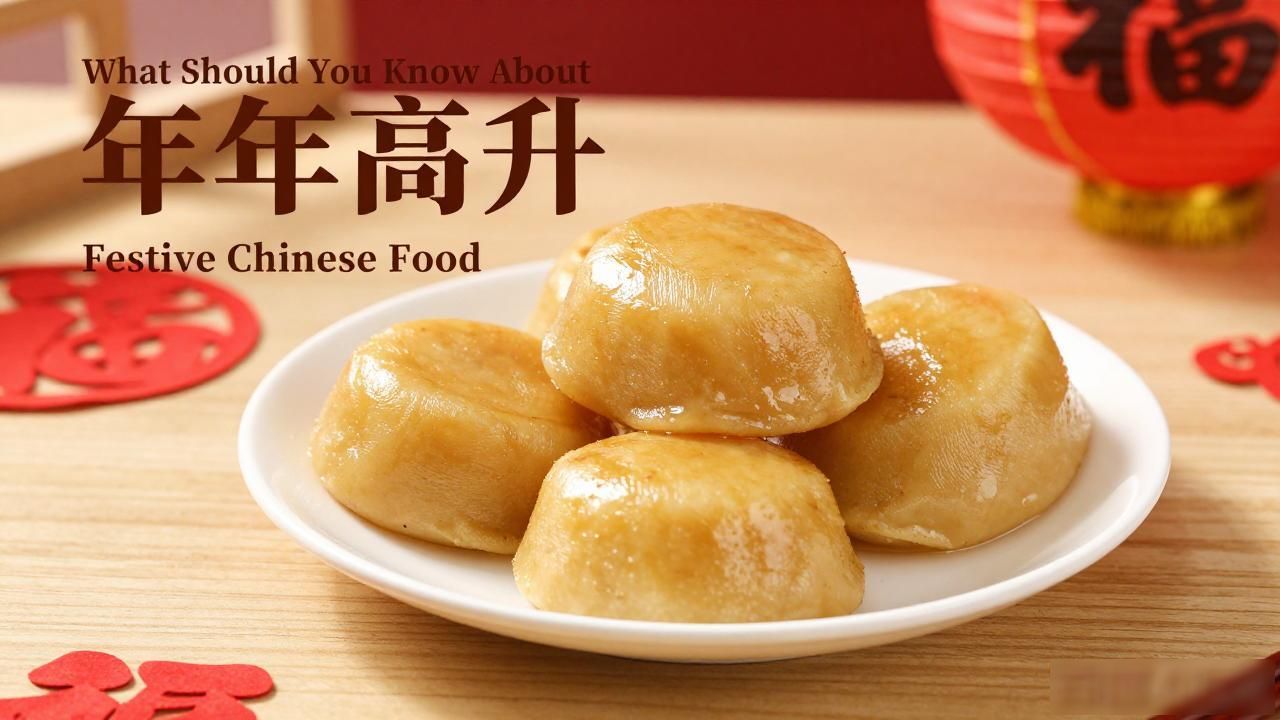
Another essential festive dish is niangao, or glutinous rice cake. The name literally translates to “higher year,” symbolizing growth, progress, and improvement in the year ahead. This chewy, slightly sweet treat appears on almost every celebratory table, and its texture represents the sticky bonds that hold families together through thick and thin.
Why Is Festive Chinese Food So Symbolic
Chinese festive cuisine operates on a level that goes well beyond taste. Every ingredient, every cooking method, and every dish name is carefully chosen for its auspicious meaning. Red dates symbolize good luck, long noodles represent a long life, and oranges stand for completeness and wealth. Understanding these symbols transforms a simple meal into a meaningful cultural experience that connects diners to something much larger than themselves.
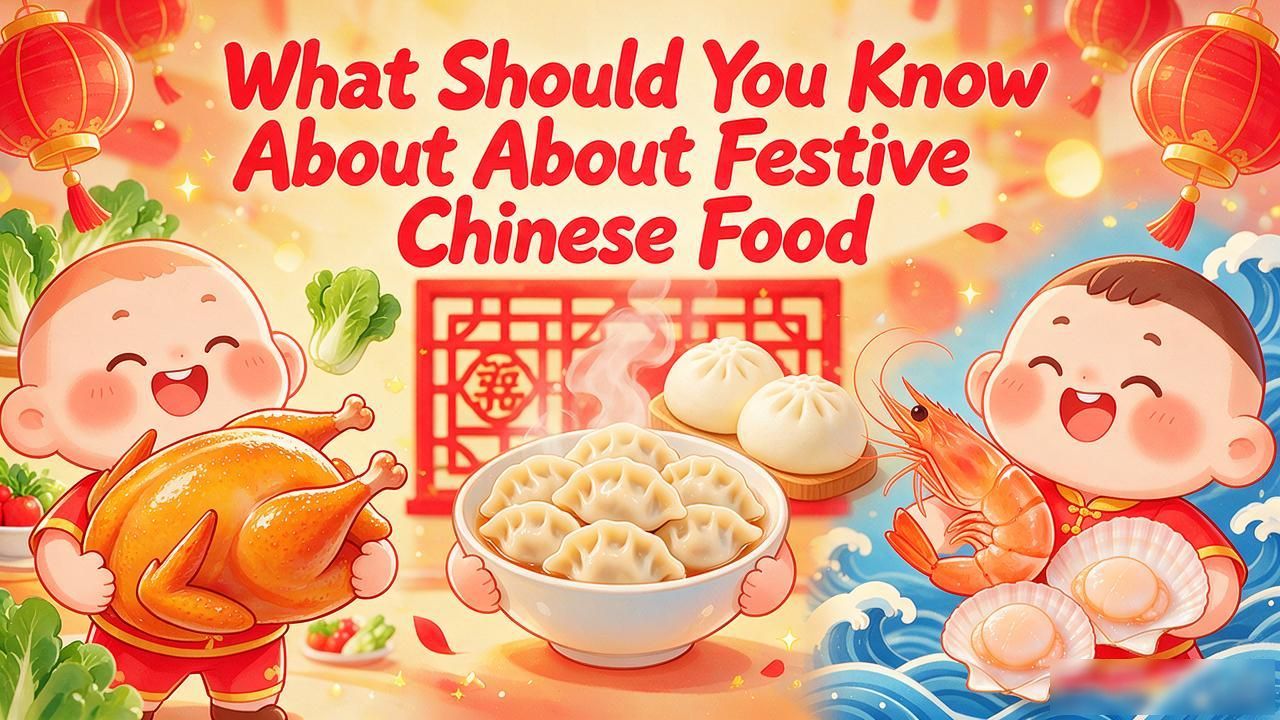
Regional differences add another fascinating layer to festive food traditions. Southern Chinese families might serve whole chicken representing wholeness and unity,while northern families focus heavily on wheat-based dishes like dumplings and mantou. In coastal areas, seafood dominates the celebratory table, reflecting the region’s closeness to the sea and its abundance. These variations show that festive Chinese food is not a single monolithic tradition but rather a rich tapestry of local customs woven together by shared values.
For foreigners experiencing festive Chinese food for the first time, the abundance can be overwhelming. A typical celebration might feature ten or more dishes, each carefully selected for both flavor and meaning. This is intentional — the overflowing table represents generosity, hospitality, and the hope that nothing will be lacking in the year ahead. The communal style of dining, where everyone shares from common plates, reinforces the核心价值 of family and togetherness that defines Chinese festivity.