
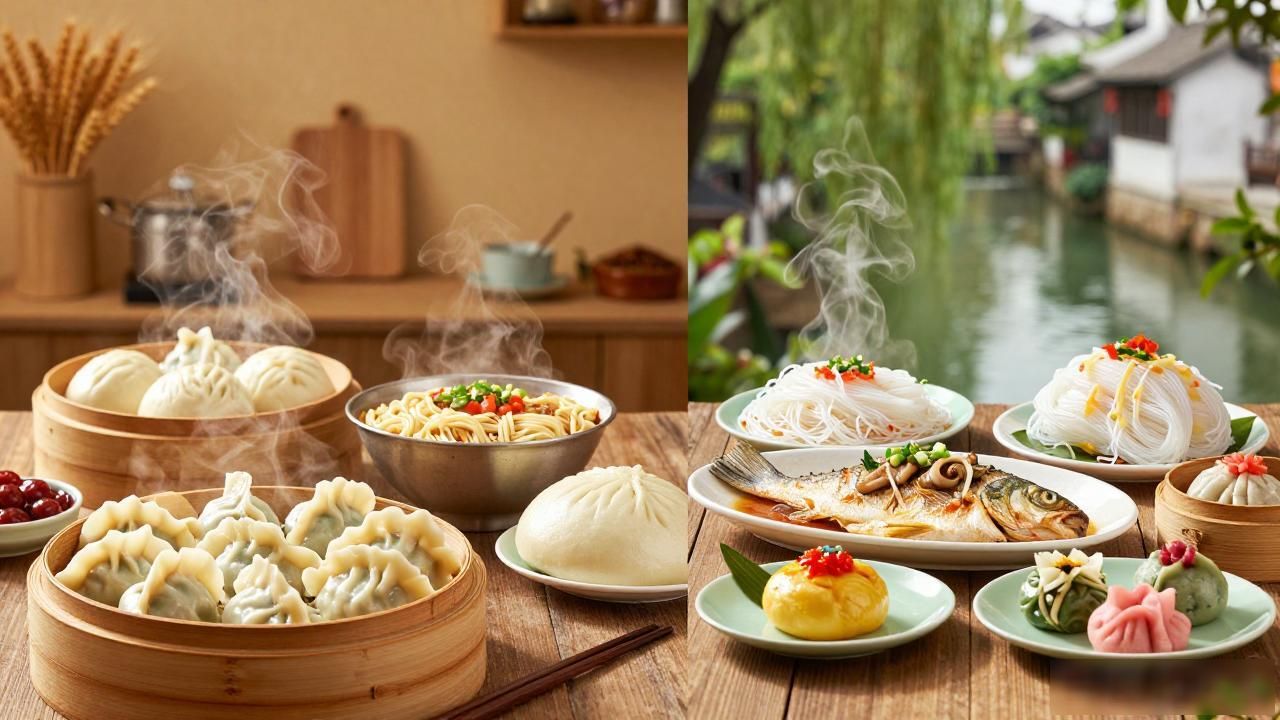
When people hear “Chinese food,” images of takeout boxes or generic stir-fries often come to mind. However, this vast culinary tradition is far more complex and regional than most outsiders realize. It is not just about taste; it is a reflection of geography, history, and local culture. Understanding the true scope of Chinese cuisine helps bridge the gap between stereotype and reality, revealing a world of diverse flavors that defy simple categorization.
Why Does Chinese Food Vary So Much By Region?

The sheer size of China means that ingredients and cooking methods differ drastically from north to south. In the north, wheat is king, leading to dumplings, noodles, and steamed buns as staples. The climate is colder, so dishes tend to be saltier and heartier to provide warmth. Conversely, the south enjoys a subtropical climate where rice is the primary grain. Here, ingredients are often lighter, fresher, and cooked quickly to preserve delicate textures.
This regional divide extends further into specific provinces, each with its own signature style. Sichuan, for instance,is famous for its bold use of chili peppers and Sichuan peppercorns, creating a numbing sensation known as mala. Cantonese cuisine, on the other hand, emphasizes the natural flavor of ingredients, often relying on steaming and quick frying. These differences show that Chinese cuisine is not a monolith but a collection of distinct culinary identities.
How Can You Experience Authentic Flavors Abroad?
Finding authentic Chinese food outside of China can be challenging, as many restaurants adapt recipes to suit local palates. To truly experience the depth of these flavors, look for establishments that specialize in a specific regional style rather than those offering a generic menu. Seek out places that use fresh, whole ingredients and traditional cooking techniques like wok hei, which imparts a smoky essence to stir-fried dishes.
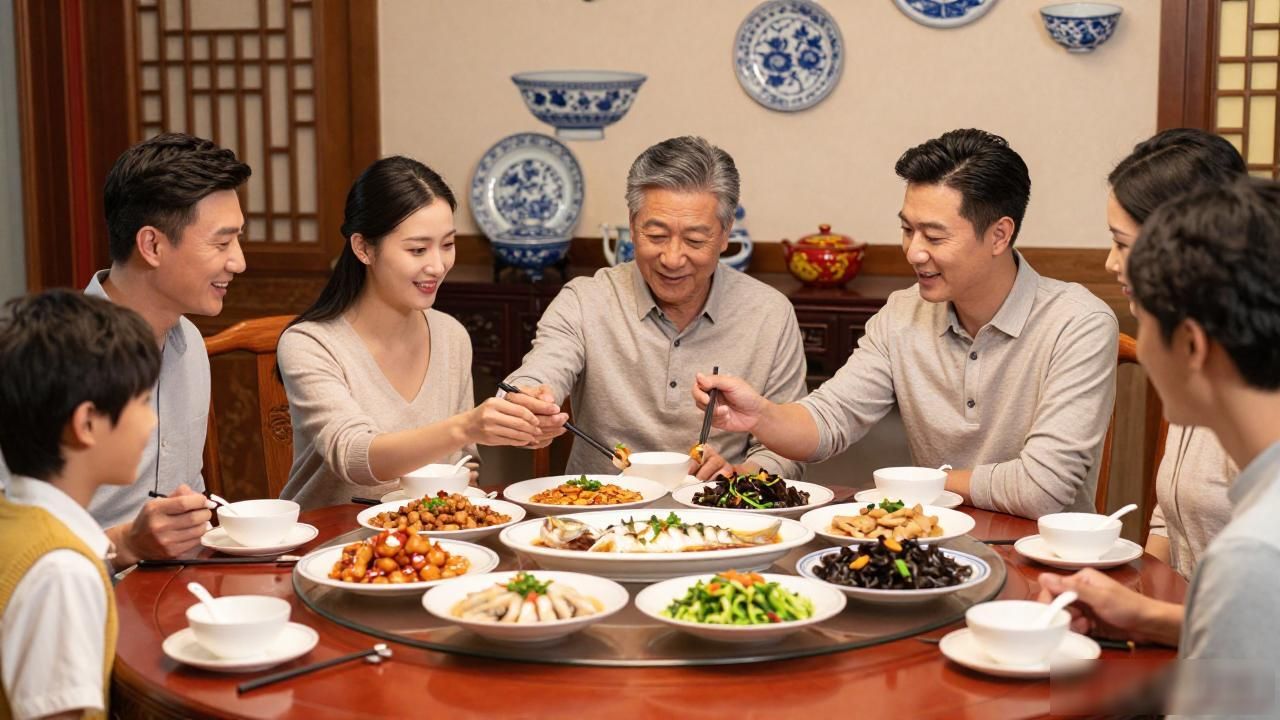
Engaging with the culture also means understanding the social aspect of dining. Meals are often shared family-style, encouraging communal bonding and exploration. Trying small plates allows diners to sample a wider variety of tastes and textures. By focusing on authenticity and regional specificity, you can move beyond basic comfort food and discover the sophisticated artistry behind Chinese cuisine. This approach transforms a simple meal into a cultural journey.