
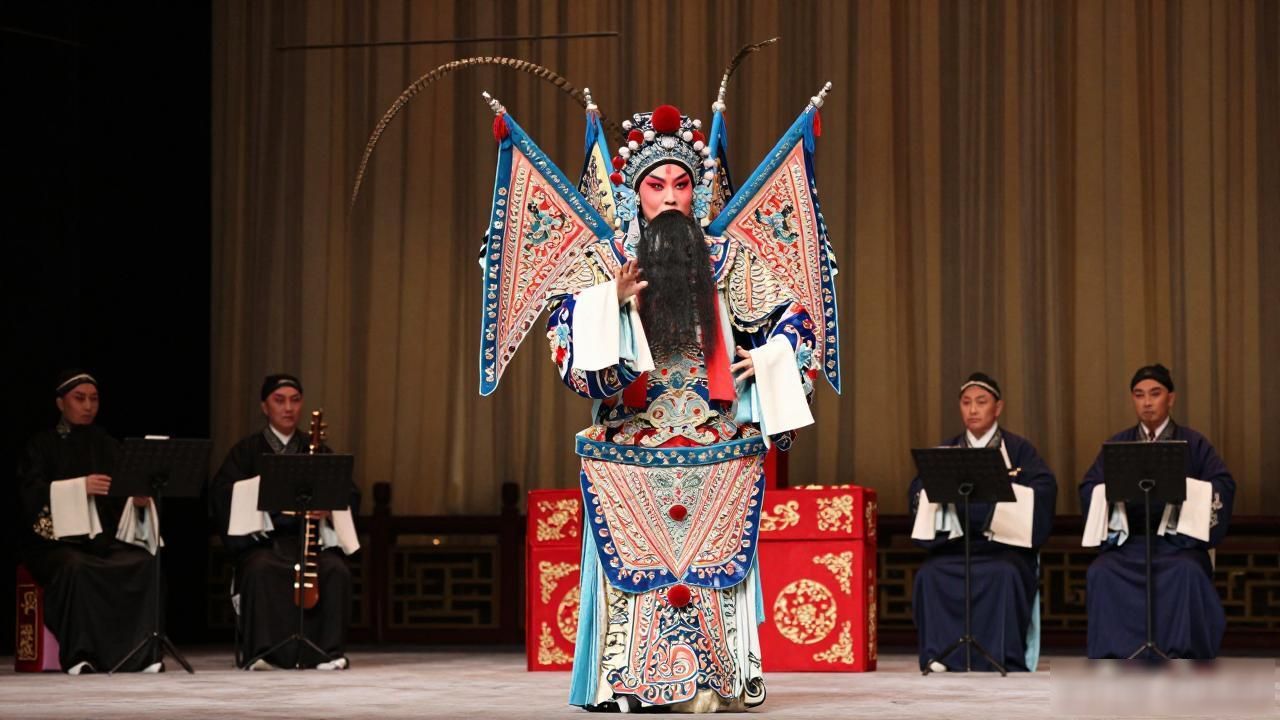
Beijing opera is far more than bright costumes and painted faces. It is a 200-year-old art form that fuses singing, acrobatics, stylized dialogue,and martial-arts choreography into one loud, physical stage experience. For most Western visitors, catching a show at the Chang’an Grand Theatre or the China Grand Opera Theatre feels like stepping into a parallel universe. The percussion slams, the movements are exaggerated, and nothing is whispered. The art demands you lean in, and it rewards you for doing so.
Is Beijing Opera Difficult to Understand

The honest answer is yes, if you don’t read Mandarin. The libretto layers classical Chinese with regional dialects, and the melodic phrasing carries shades of meaning that no projected English subtitle can fully carry. A foreign viewer picks up the broad strokes — the scheming minister, the loyal general’s last stand — but the puns and poetic imagery wash over the head like white noise.
Watch the hands. A sharp flick of the wrist signals fury; a slow circular sweep means the character is searching for someone or something lost. The front-row percussion team hammers out a rhythm that syncs to your pulse before your conscious mind registers the plot. Twenty minutes in, the story becomes secondary. You are watching pure kinetic energy, not a script.

How Long Does a Beijing Opera Show Last
A standard performance runs two to three hours with one intermission around the forty-minute mark. Most evening shows are edited versions of much longer pieces that once stretched to six hours on a single stage. Festival or matinee performances tend to be tighter, closer to ninety minutes, which is a friendlier entry point if your back is already complaining by act two.
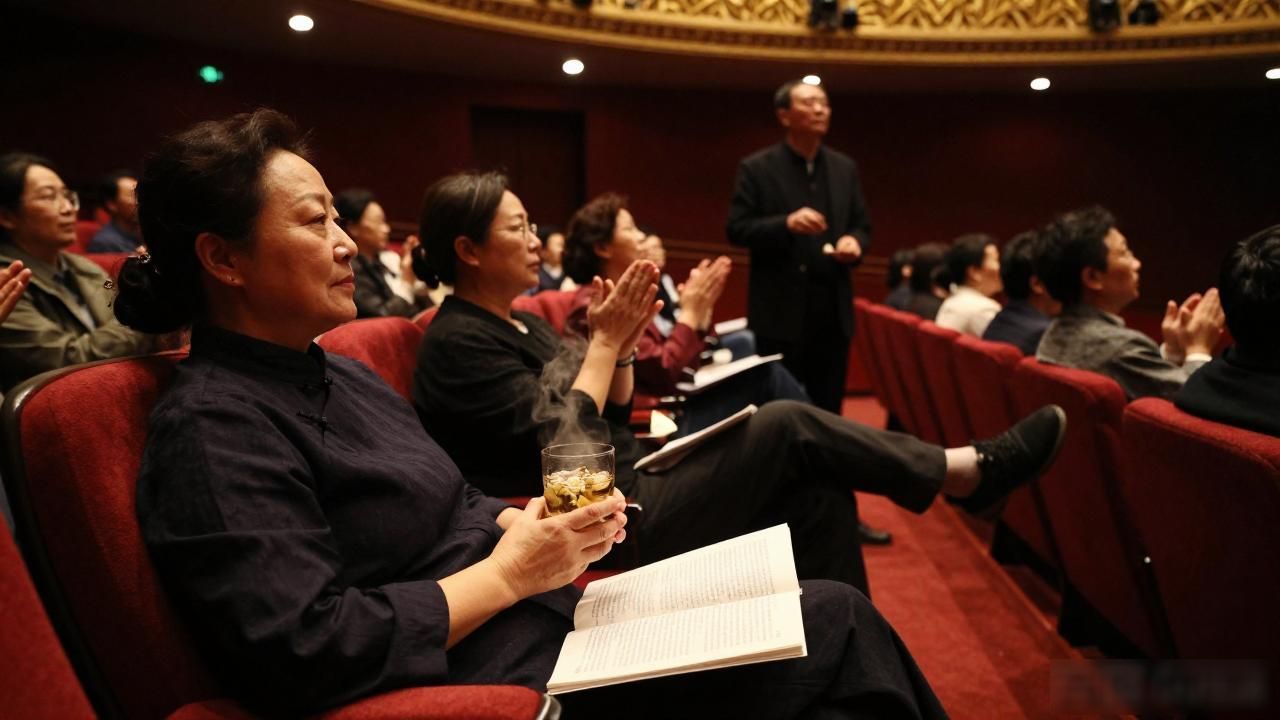
The intermission is your best chance to stretch, grab a cup of jasmine tea, or flip through the bilingual program. The house lights stay dimmed throughout, and the audience claps politely between scenes but never mid-aria. Feel free to stand if your legs need it. No one stares. No one keeps score.
You’ll stumble out of the theater slightly disoriented, ears still echoing with that sharp clatter of cymbals and wooden gongs. A week later, some fragment of a melody you can’t name will float up while you’re grocery shopping. It burrows in slowly, and then it’s just there. That quiet, persistent hum is the real souvenir.