
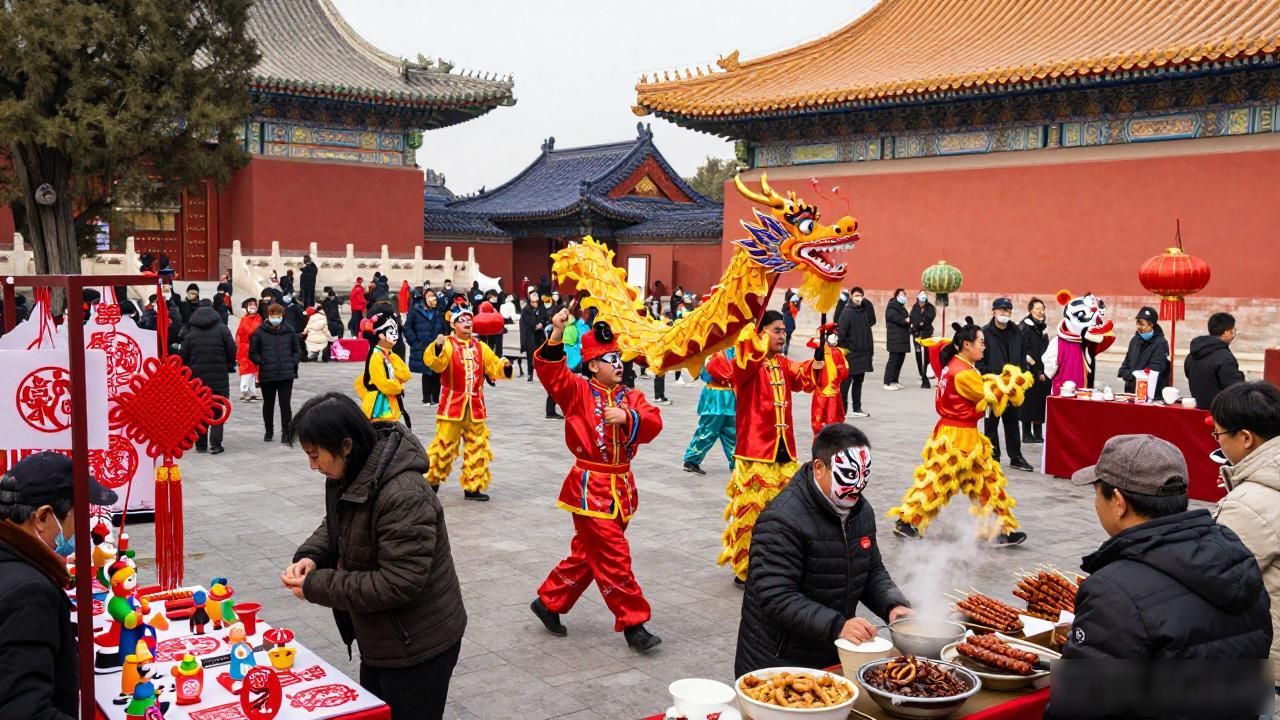
Chinese New Year in Beijing is one of those experiences that makes you understand why this ancient city still feels alive after thousands of years. It’s loud, colorful, deeply rooted in tradition, and absolutely unforgettable. The city transforms during this period. Temples glow with lanterns, streets fill with festive crowds, and the air carries the scent of incense and roasted snacks. For foreigners visiting Beijing during this time, the celebration offers a rare window into the soul of Chinese culture—raw, vibrant, and unfiltered.
What Are the Best Places to Experience Chinese New Year in Beijing

Temple fairs are the heart of the celebration. The most famous ones happen at the Temple of Heaven, Dcihe Temple, and Yonghe Temple. These fairs stretch for days, offering everything from folk performances and traditional crafts to street food that you’ll dream about weeks later. The Temple of Heaven fair is especially popular, drawing crowds of tens of thousands. You’ll see lion dancers, acrobats, and people dressed in elaborate costumes from across China.
The Qianmen Street area is another must-visit. It’s been beautifully restored and comes alive with red lanterns, dragon sculptures, and live music. Walking through the arched gateways at night, surrounded by families and visitors,feels like stepping into a painting. The hutongs near Wangfujing also transform quietly—the narrow alleys become intimate spaces where neighbors share food and children play with firecrackers, safe within designated areas.
People often ask whether it’s worth visiting Beijing during the Spring Festival travel rush. Yes, but you must plan ahead. Hotels fill up quickly and prices surge. Book accommodations at least a month in advance. Public transportation runs on modified schedules. The subway is the most reliable option despite the crowds.
What Should Foreign Visitors Know About Chinese New Year in Beijing
Many shops and restaurants close for several days during the holiday, especially around New Year’s Eve and the first two days. This is something travelers frequently overlook. Plan your meals and shopping accordingly. However, major hotels and tourist-area restaurants stay open—they just operate with limited staff.
The weather in Beijing during late January or February is brutally cold, often dropping below zero degrees Celsius. Dress warmly in layers. Thermal underwear, a heavy coat, gloves, and a scarf are essentials. Locals don’t complain about the cold—they embrace it. The festive atmosphere somehow makes the freezing temperatures feel worthwhile.
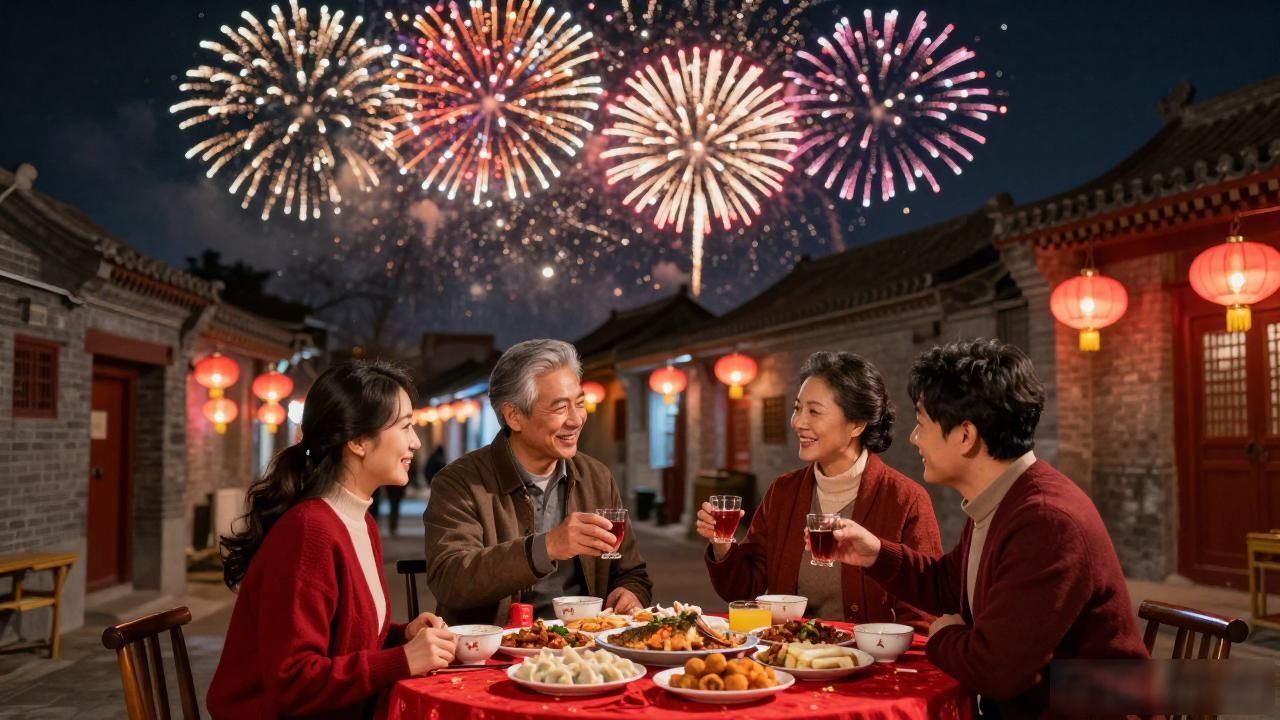
One thing that surprises many visitors is how peaceful yet powerful the moment of midnight on New Year’s Eve feels. Fireworks explode across the sky, family gatherings end with heartfelt wishes, and a city of twenty million people shares a single breath of hope for the year ahead. It’s a moment no travel guide can fully capture. You have to be there to understand it.
The Lantern Festival marks the grand finale on the fifteenth day. Colorful lanterns float on rivers, riddles are solved in playful competitions, and people eat sweet glutinous rice balls called yuanxiao. It’s a tender ending to an exhilarating celebration.