
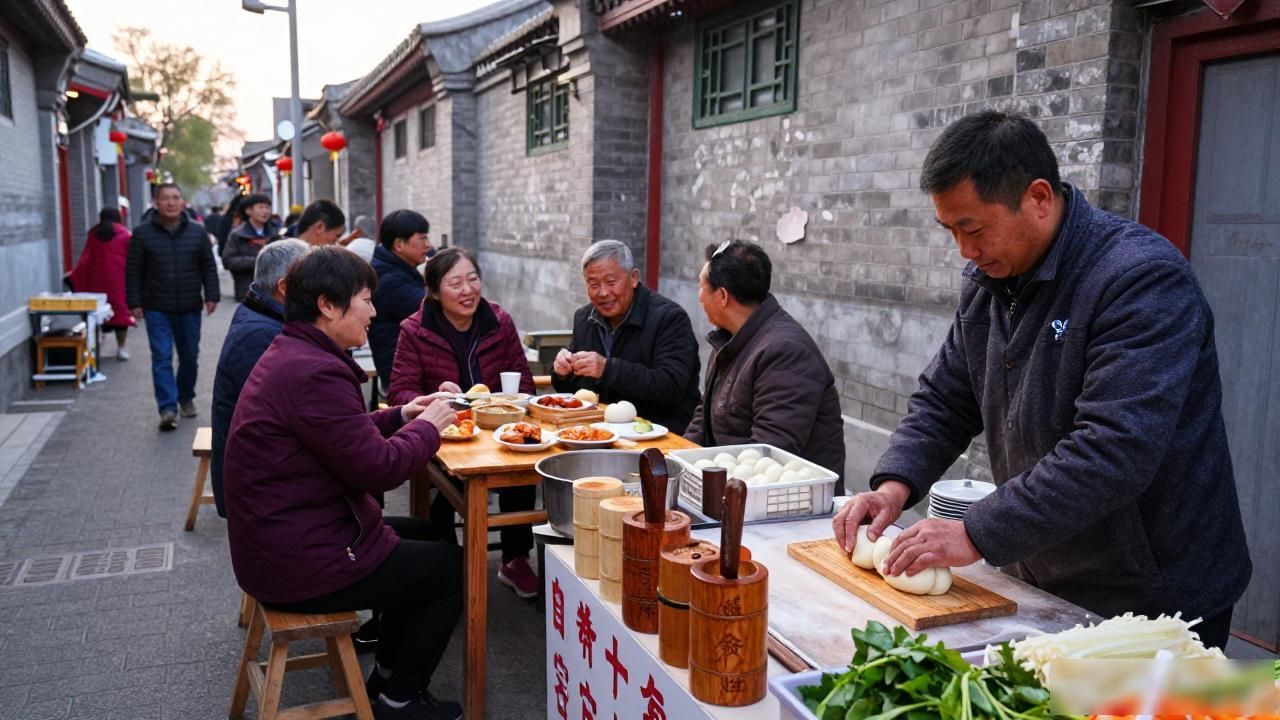
Beijing’s culinary scene extends beyond imperial dishes. Ancient alleyways hide vendors selling treats that taste like living history. These bites use century-old techniques, offering flavors modern chains cannot replicate. Stepping off main roads exposes roasted seed and fermented paste combos that surprise seasoned eaters. Exploring these hidden routes requires patience but rewards curious travelers with unforgettable afternoon snacks. Corners hold migration stories woven into sugar-coated haws.
Why Are Unique Snacks in Beijing So Popular

Street food thrives on seasonal harvests and neighborhood heritage. Craftsmen shape dough using family wooden molds carved from century-old timber. Residents gather before dawn for hot batches, sharing gossip while waiting. Stalls skip printed menus, relying on daily supplier visits for fresh roots. This reliance on immediate sourcing guarantees unmatched texture compared to factory alternatives. Neighborhood elders insist that proper fermentation takes weeks, demanding respect for slow processes. Vendors proudly display handwritten chalkboards listing daily specials.
Recipes survived urban changes by balancing tradition with convenience. Carts blend old firing methods with rapid serving lines. Tourists mistake simple setups for fast food,yet pieces carry candied fruit and chili oil layers. Watching artisans fold batter over glowing pits creates crisp edges. Communities cluster near transit hubs. Morning commuters grab paper cones filled with warm grain cakes before heading to offices.
How to Taste Unique Snacks in Beijing Safely
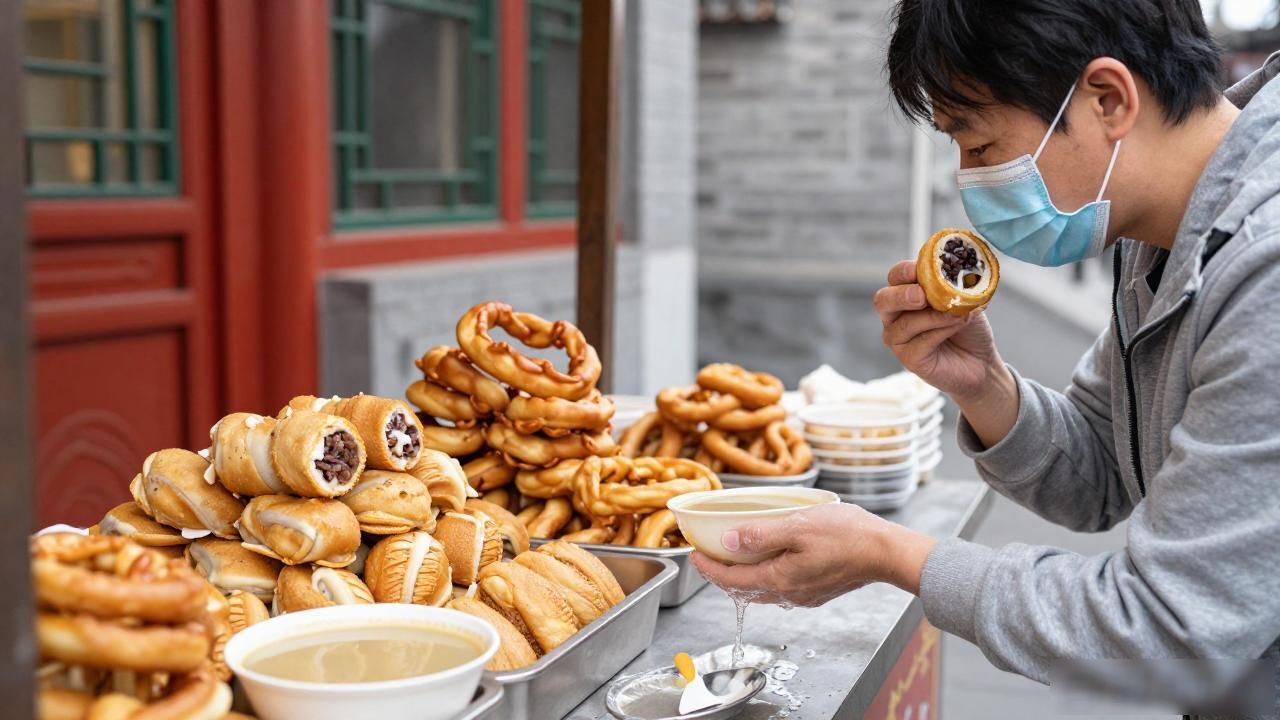
Cleanliness varies wildly across districts. Pick spots with high table turnover. Heat kills bacteria fast. Wipe surfaces before sitting. Always verify cooking temperatures when handling skewers near evening markets.
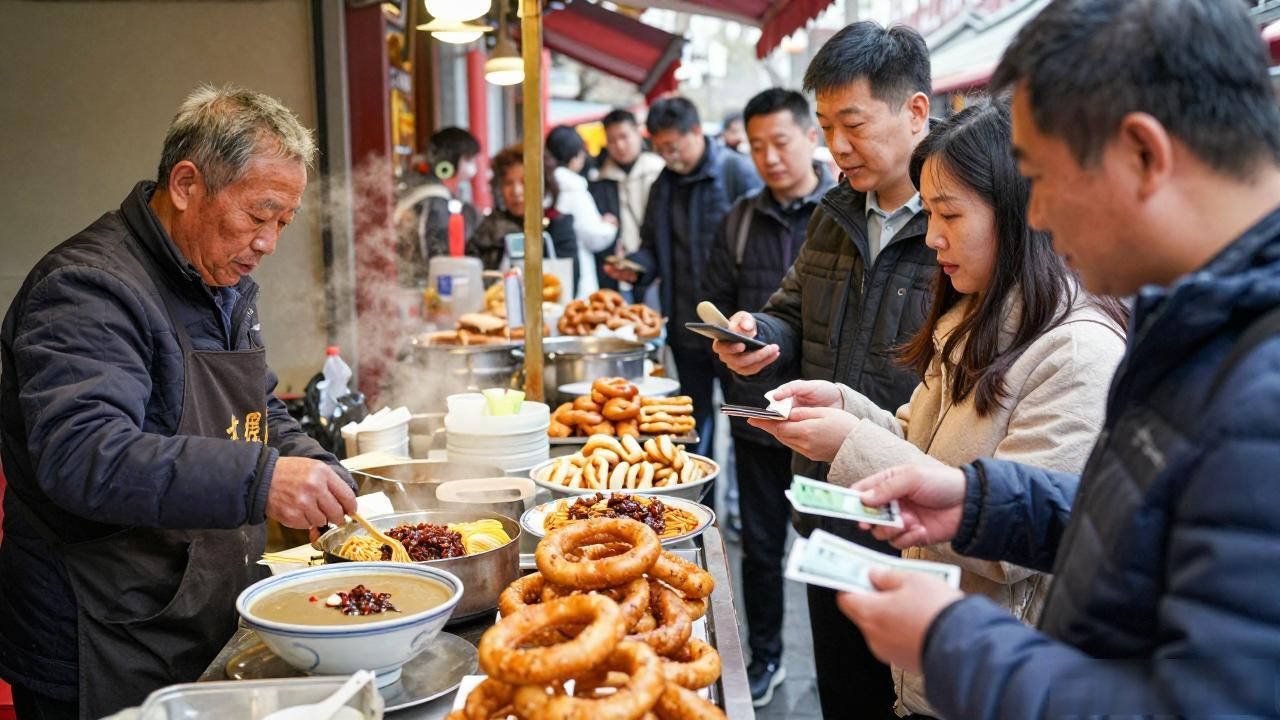
Digital wallets dominate stands, leaving cash less useful. Compact cards help since older sellers struggle with scanning codes. Requesting lighter seasoning allows customization without slowing queues. Local guides often share secret shortcuts that bypass long lines completely. Treating transactions as conversations builds trust faster than rigid rules. Younger generations prefer digital payments but still appreciate polite greetings in local dialects.
Finding these routes changes how travelers view the capital’s pulse. Authenticity rarely arrives inside glass cases. It waits behind folding chairs, rising steam, and merchants greeting familiar faces. Leaving polished restaurants behind exposes a slower rhythm where taste alone decides survival. Fuller stomachs bring deeper appreciation. The city breathes differently when you trade luxury hotels for bustling market squares.