
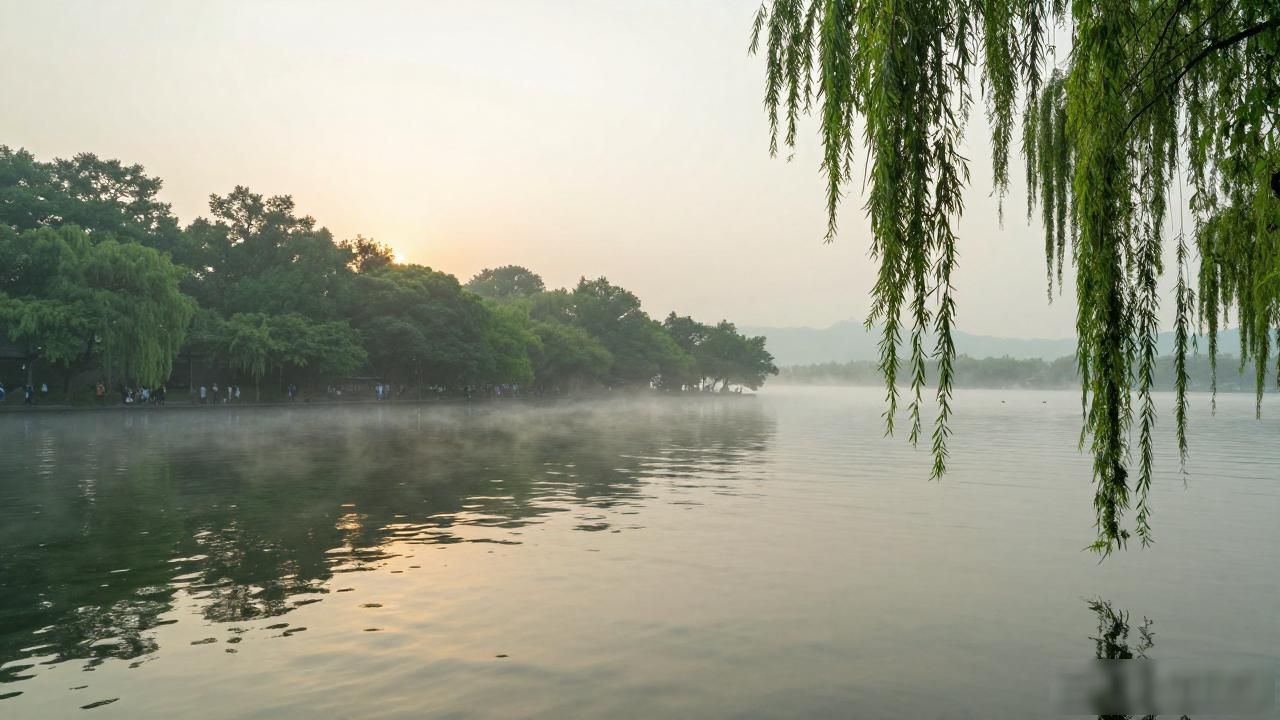
West Lake is not just a postcard backdrop—it’s the living heart of Hangzhou, where I’ve walked along the Su Causeway every morning for twenty years. The lake shifts moods with the seasons, and the way you experience it changes entirely depending on when and how you show up. This is what I wish every visitor understood before stepping onto the path.
Is West Lake Hangzhou worth it

The honest answer: absolutely, but not the way most tourists think. Crowds from tour buses cluster around the Broken Bridge and Leifeng Pagoda by 10 a.m., and that’s when the magic dies. Walk the outer lake at dawn instead. The mist rolls off the water, willows dip into green-black pools, and you hear nothing but sparrows and distant lapping. You don’t need the famous spots. The back alleys behind Beishan Street, where old ladies sell osmanthus cakes by the roadside, hit different.
I grew up two streets from the water. To me, West Lake isn’t a “must-see attraction.” It’s where my grandmother took me to feed koi before I could ride a bike. That personal, unperformable connection is what makes it worth crossing an ocean to stand there and just breathe.
How to see West Lake Hangzhou
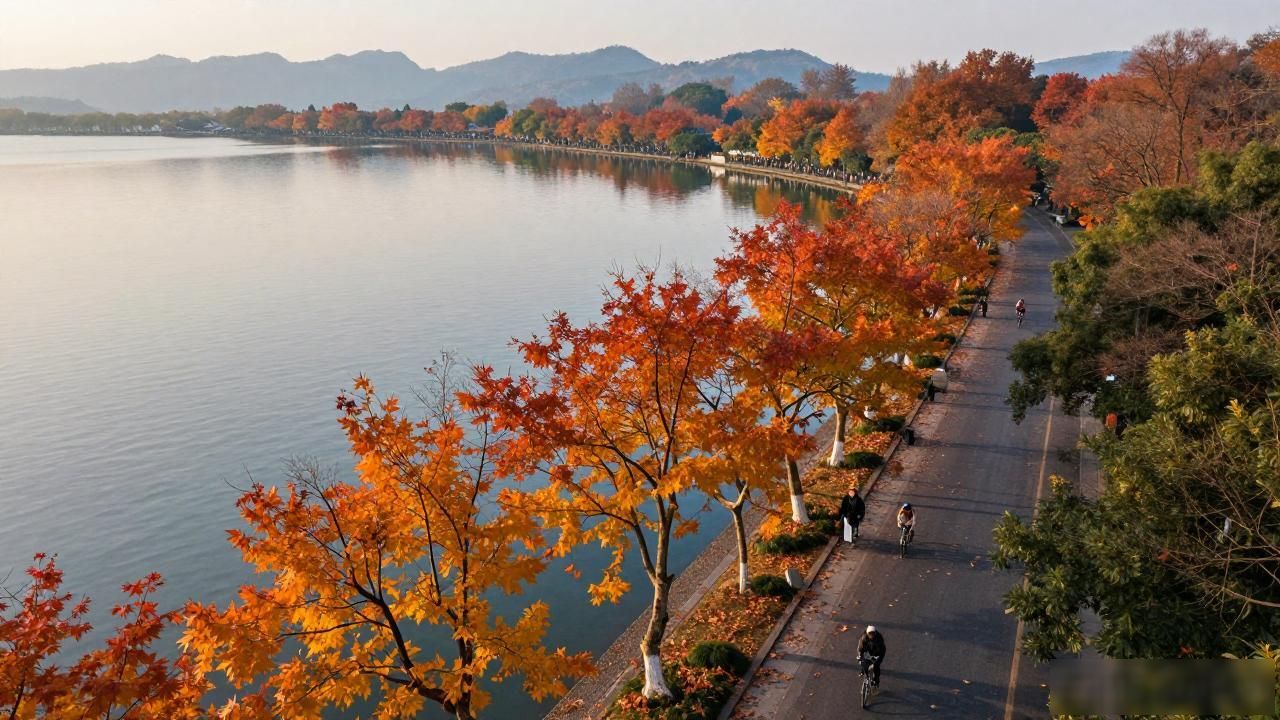
Skip the boat if you want calm. Rent a bicycle from any dock on the north shore and ride the 15-kilometer ring road. The path is flat, tree-lined, and you can stop anywhere. A boat ride works better in autumn when leaves burn orange on the water and you see the lake from a height the path can’t give you. Take the route from Huagang Park southward—the willow canopy closes overhead and the light goes golden. Nobody photographs that stretch, so you’ll have it to yourself.
One practical note: the lake is large. Don’t try to circle it in one afternoon. Pick one quarter, walk it slowly,find a bench, and sit. The view changes every ten minutes as clouds drift across Baoshi Hill.
West Lake Hangzhou best time
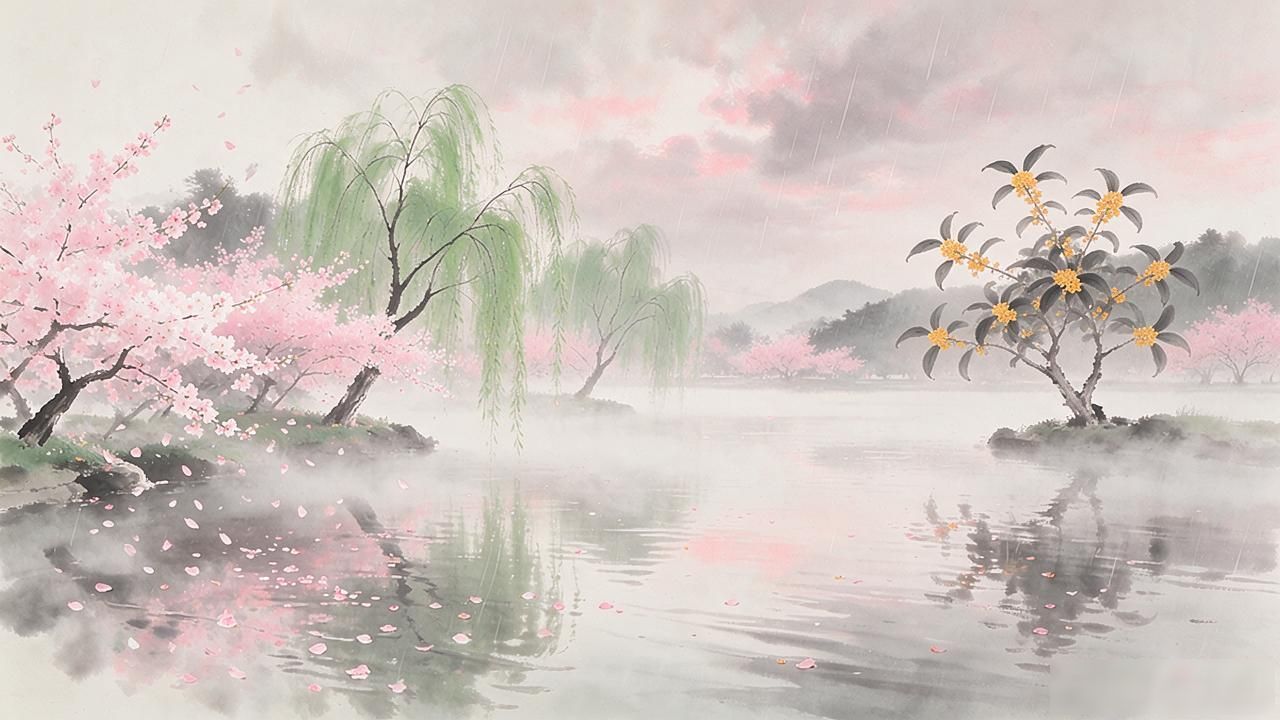
Late March through April. The osmanthus hasn’t dropped yet, cherry blossoms line the west bank, and the rain gives the water that ink-wash softness locals swear by. Avoid May and October weekends—those are Chinese holidays and the paths turn into rivers of people. Stuck in summer? Go at 6 a.m. The cicadas scream but the light is clean and the lake goes glass-flat.
I still drive my kids to the north shore on Sunday mornings. They splash in the shallows while I sit on a stone and watch. The lake has fed this city for two thousand years. It’ll keep feeding it. You just have to come quiet, come early, and let it do what it’s always done—hold still while the world rushes past.