
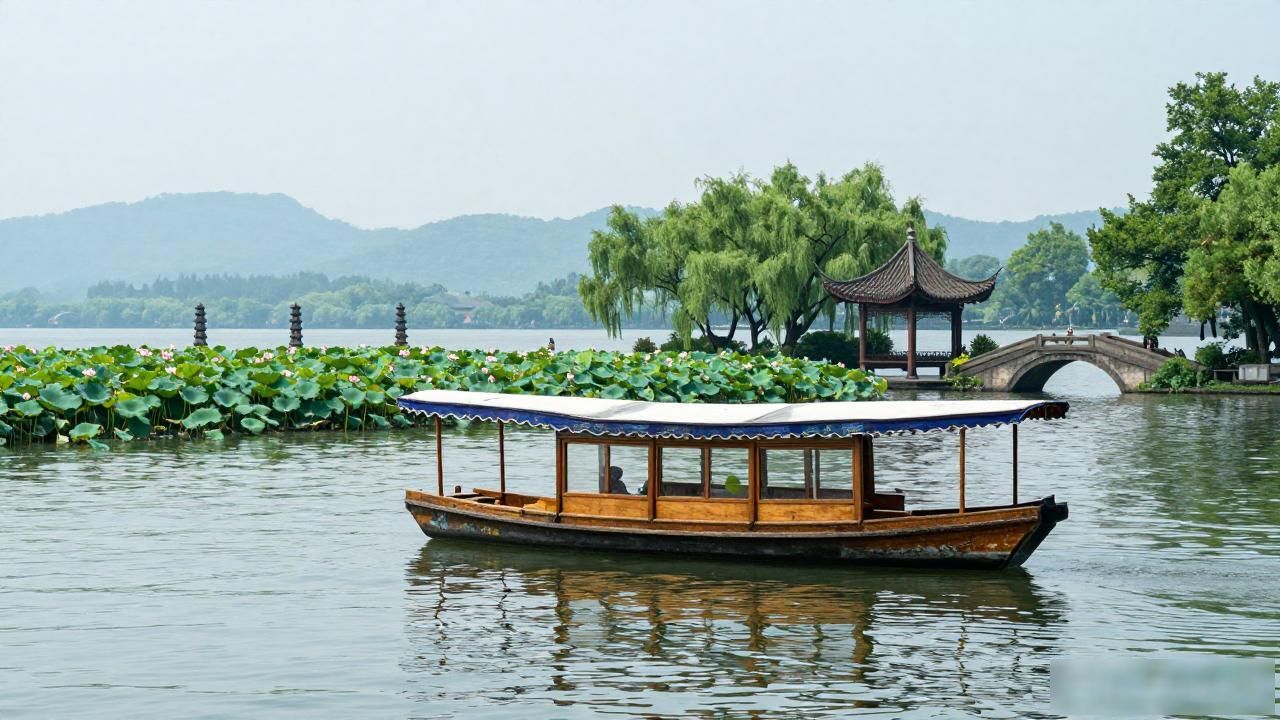
West Lake, Hangzhou has mesmerized travelers for over a thousand years. Known as the “Paradise on Earth,” this UNESCO World Heritage Site is far more than a scenic spot. It is a living canvas where misty mountains, ancient temples, and shimmering water create an experience that stays with you long after you leave. Whether you are a first-time visitor or a seasoned traveler, West Lake rewards curiosity and slow exploration.
What to See Walking Around West Lake
Starting from the Broken Bridge early in the morning is the best way to experience West Lake before the crowds arrive. The mist hovering above the water, combined with weeping willows and stone arches, creates scenes that look straight out of a traditional Chinese painting. Walking eastward along the lake shore,you will pass Su Causeway, Bai Causeway, and Leifeng Pagoda — each stop offering a different mood and perspective of the lake.
Long-lasting temples like Jingci Temple and Lingyin Temple sit just inland from the lake. Jingci Temple is famous for its giant bronze bell, once rung to mark the end of each day across the city. Arriving here before noon gives you the chance to hear monks chanting and watch locals practicing tai chi in the courtyard. The combination of quiet prayer and natural beauty makes these spots genuinely soulful.
Most visitors spend only a couple of hours around the main lake area, but staying longer reveals hidden tea houses, small gardens, and peaceful corners that guidebooks rarely mention. The key is to wander off the main path and let the pace of the place dictate your itinerary.
Why Taking a Boat on West Lake Is Essential

No visit to West Lake is complete without a boat ride. Traditional wooden boats with painted canopies glide silently across the water, and a ride toward the central islets takes you past lotus ponds, ancient stone bridges, and small pavilions nestled among trees. The highlight is the Three Pools Mirroring the Moon, a famous landmark you can only reach by boat.
Rowing boats are especially popular in the late afternoon. Sitting in a small hand-rowed boat with a local boatperson gives you a slower, more intimate view of the lake. They often share stories about local legends and the history of the area, adding depth to an experience that might otherwise be purely visual. The gentle rhythm of the oars and the soft lapping of water against the boat make it one of the most relaxing moments of any trip to Hangzhou.
Boat prices vary depending on the route and season. A standard tour around the central islands typically costs between 150 and 200 yuan, while a private rowing boat for an hour runs roughly 120 yuan. Negotiating politely and confirming the route beforehand prevents any unpleasant surprises.
Where to Enjoy Longjing Tea and Local Food
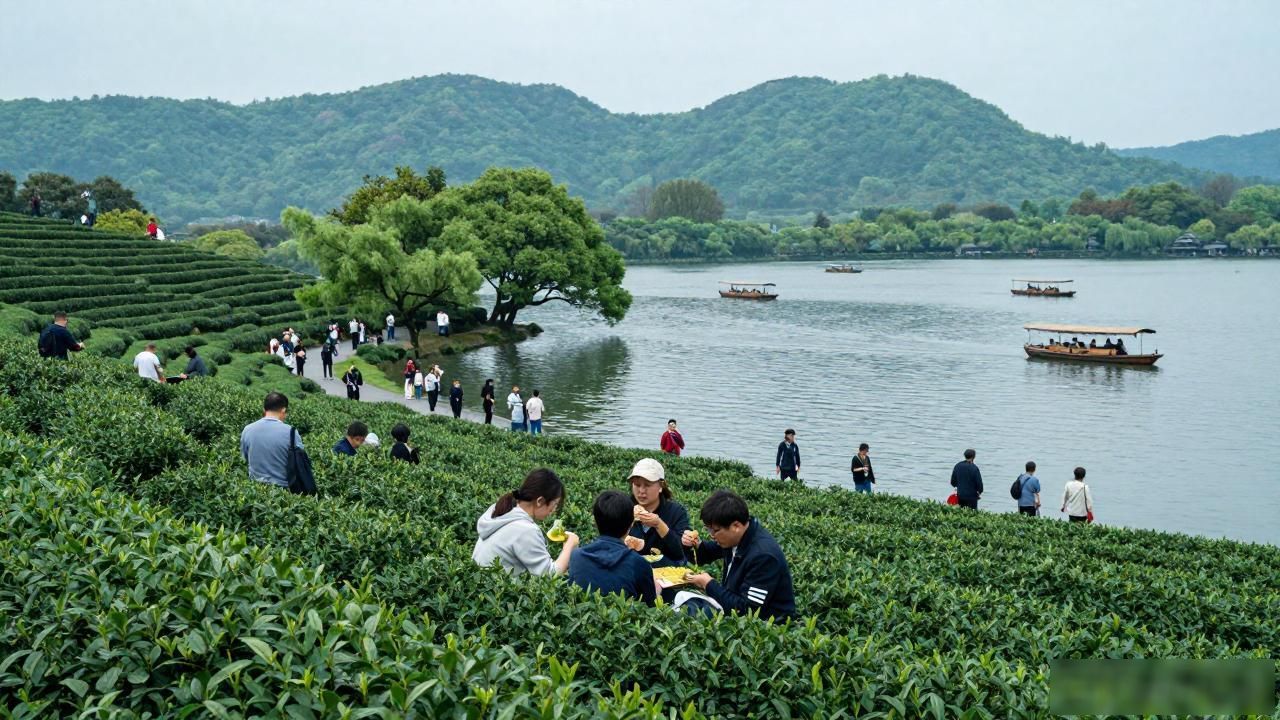
West Lake is surrounded by the hills where Longjing tea, one of China’s most famous green teas, is grown. Visiting a tea plantation just outside the lake gives you the chance to taste freshly picked leaves straight from the source. Many small family-run茶 houses near the northern hills welcome visitors to sit, sip, and watch workers sort and roast the leaves. The flavor is fresh, slightly sweet, and unlike anything you will find in a regular restaurant.
Hangzhou cuisine, known as one of China’s Eight Culinary Traditions, pairs beautifully with the relaxed pace of lakeside life. Dongpo pork, a slow-braised dish named after the poet and former governor Su Shi, is rich and melt-in-your-mouth tender. West Lake vinegared fish is another local classic, though its sour-sweet profile divides opinions. Sitting at a modest restaurant overlooking the water with a pot of Longjing tea and a plate of local dishes feels like stepping into a much older, gentler version of China.
Evening brings a completely different energy to West Lake. The illuminated pagodas, glowing causeways, and fountains near the musical dance lake turn the area into something close to magical. Many travelers stay late just to watch the lights reflect on the dark water, a quiet moment that makes the whole journey worthwhile.