

Family reunions hold deep meaning across every culture, yet the paperwork required to bring loved ones together often feels like an uphill battle. China‘s recent shifts in entry policy have created real openings for families seeking to reconnect. If you are planning to visit relatives in China, understanding the current visa options and exemptions is essential. This guide breaks down what you need to know to make that journey smoother and more affordable.
What visa-free entry means for visiting family in China
China does not offer a blanket visa-free entry for all foreign visitors. The real story lies in targeted exemptions and shortened-stay transit arrangements that many travelers overlook. Certain nationalities from countries like Singapore, Thailand, and Malaysia can enter China without a visa for stays of up to 30 days under bilateral agreements. These agreements were expanded significantly during the pandemic recovery period and have remained in place.

The 144-hour transit visa exemption is another powerful tool. Travelers passing through designated cities such as Beijing, Shanghai, Guangzhou, and Chengdu can stay up to six days without a visa, provided they hold confirmed onward tickets to a third country. While this was designed for transit purposes, several families have used it creatively to visit relatives during layovers. You must remain within the specific city zone,but that still opens up possibilities for short family gatherings.
For longer stays, the standard family reunion visa — known officially as the Q visa — remains the most reliable path. The Q1 visa covers stays exceeding 180 days and requires you to apply at a Chinese embassy or consulate before travel. The Q2 visa allows multiple entries for shorter visits up to a year and is far more convenient for frequent family trips. Your Chinese relative needs to provide an invitation letter along with proof of their identity and relationship to you.
How to prepare your family reunion visa application
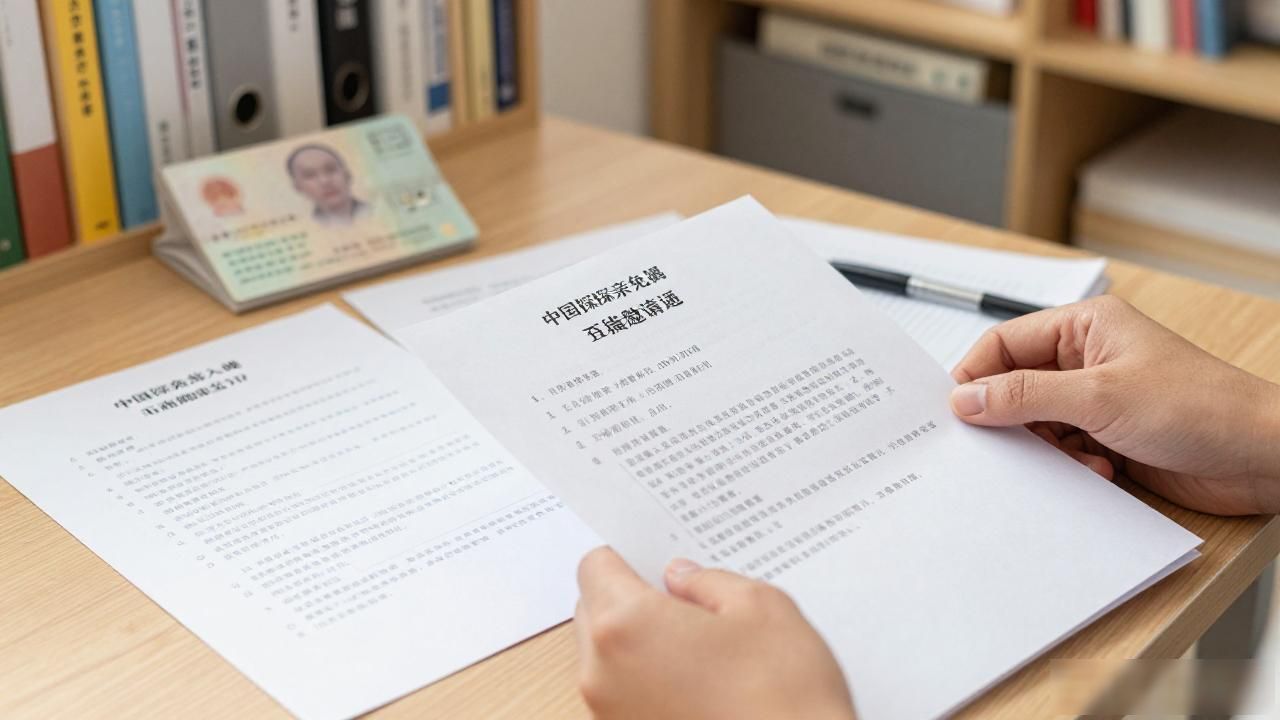
Gathering the right documents makes or breaks your application. Start by contacting the family member in China who will sponsor your visit. They need to obtain a residence permit or household registration certificate, along with a written invitation that clearly states your relationship and the purpose of your visit. Without these, your application will likely face delays or rejection.
You will also need a valid passport with at least six months of remaining validity, a completed visa application form, and a recent passport-sized photograph meeting Chinese specifications. Some consulates require additional supporting materials such as flight itineraries, hotel bookings, or proof of your financial ability to cover the trip. Requirements vary slightly by consulate, so checking the specific website where you plan to apply is important.
Processing times generally range from four to five business days for standard service, with express options available for urgent cases. Recent policy changes have simplified documentation in several regions, and some consulates now offer same-day processing for qualified applicants. Budget around $140 to $300 depending on your nationality and whether you qualify for a reciprocal fee reduction based on your home country’s visa policies toward Chinese citizens.
Tips that make family visits to China easier

Planning ahead dramatically improves your chances of a smooth experience. Apply well before your intended travel date, especially during peak seasons like Chinese New Year and summer holidays when consulate appointment slots fill quickly. Maintaining good communication with your sponsoring relative throughout the process helps resolve any document questions promptly.
Consider the timing of your visit strategically. Many Chinese cities have extended visa-on-arrival or transit-free options for specific regional events and tourism campaigns. During these periods, entry requirements sometimes relax temporarily. Staying informed through official Chinese embassy channels or consulting a reputable immigration advisor keeps you ahead of policy changes.
Most importantly, remember that China warmly welcomes family connections. The government has consistently signaled openness toward improving entry procedures for legitimate family visits. With proper preparation and realistic expectations, reuniting with loved ones across borders is entirely achievable and often less complicated than first appears.