
Chengdu is far more than giant pandas and spicy hotpot. For travelers seeking something genuinely different, this southwestern Chinese city offers a rich tapestry of experiences that blend ancient culture, laid-back lifestyle, and modern creativity in ways you won’t find anywhere else.
What makes Chengdu unique for foreign travelers
Most visitors arrive with expectations shaped by guidebooks—pandas, mapo tofu, and tea houses. But the real Chengdu reveals itself when you step off the beaten path. The city moves at its own rhythm, and embracing that slowness is part of the magic.
I remember wandering through the narrow alleys of Jinli at dusk, when the red lanterns flicker on and locals gather to play cards and chat. A nearby street performer was drawing intricate sketches with chalk on the pavement, completely absorbed in his work while crowds streamed past. That moment captured everything about Chengdu—it is vibrant yet unhurried, deeply rooted yet effortlessly cool.
The city’s teahouse culture is unlike anything you will experience elsewhere. Sitting in People’s Park with a bowl of jasmine tea and watching locals practice tai chi, get ear cleaned, or simply gossip under the shade of ancient ginkgo trees feels like stepping into another century.
Hidden cultural experiences in Chengdu
Beyond the tourist magnet of the Wuhou Shrine lies a side of Chengdu that even many Chinese travelers miss. The city was once the eastern terminus of the Silk Road, and traces of that history are woven into its neighborhoods.
Head to the Kuanzhai Xiangzi (Wide and Alleys) area after the day-trippers leave. The restored Qing dynasty architecture houses independent art galleries, craft beer bars, and tiny bookshops where you might strike up a conversation with the owner. It is the kind of place where time seems to dissolve.

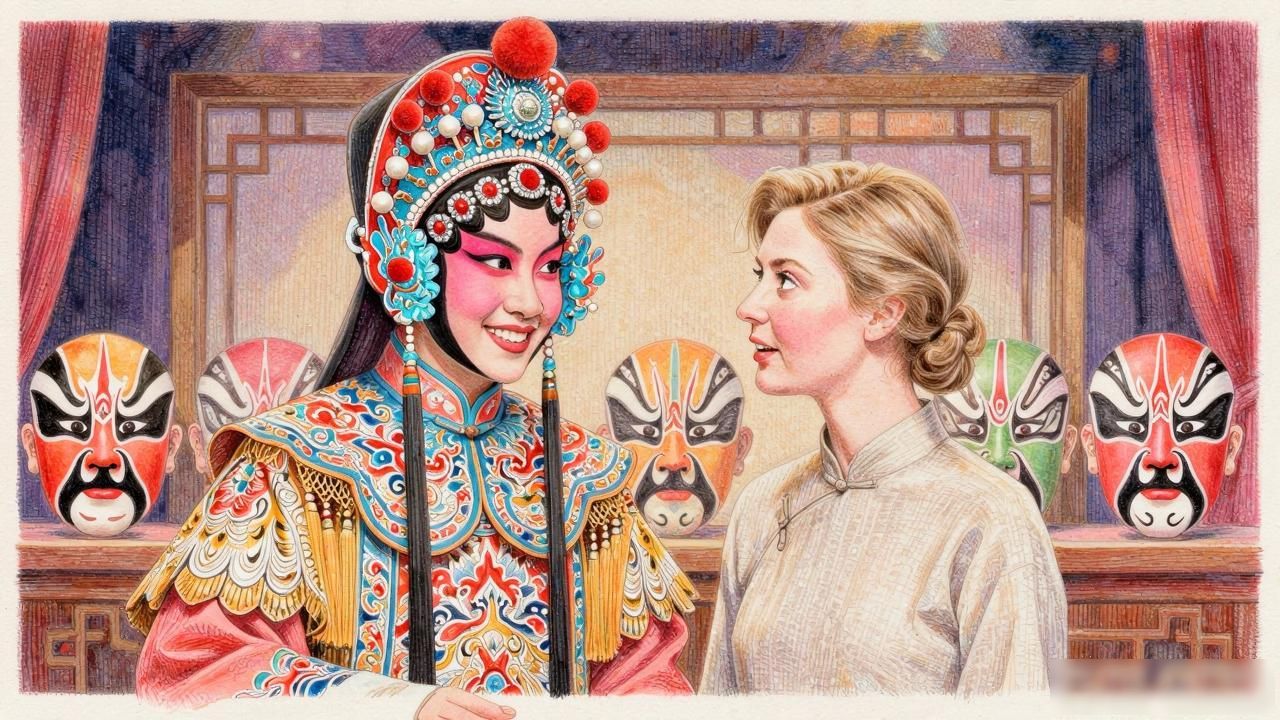
For something truly unforgettable, seek out a Sichuan opera face-changing performance at a smaller venue rather than the massive tourist theaters. The intimate setting transforms an already mesmerizing art form into something deeply personal. The performers backstage are often happy to share stories about their training and the centuries-old traditions behind the masks.
Learning to cook Sichuan cuisine from a local home cook through platforms like EatWith or local cooking schools is one of the most rewarding experiences Chengdu offers. You will shop at wet markets alongside grandmothers selecting fresh chilies, then return to a cozy kitchen where the real lesson begins.
Lifestyle and creative scenes to explore
Chengdu has quietly become one of Asia’s most exciting creative hubs. The regular 996 (nine-to-nine, six-days-a-week) work culture of other Chinese megacities seems to have skipped this one. Instead, you find designers, musicians, and filmmakers building something genuinely original.
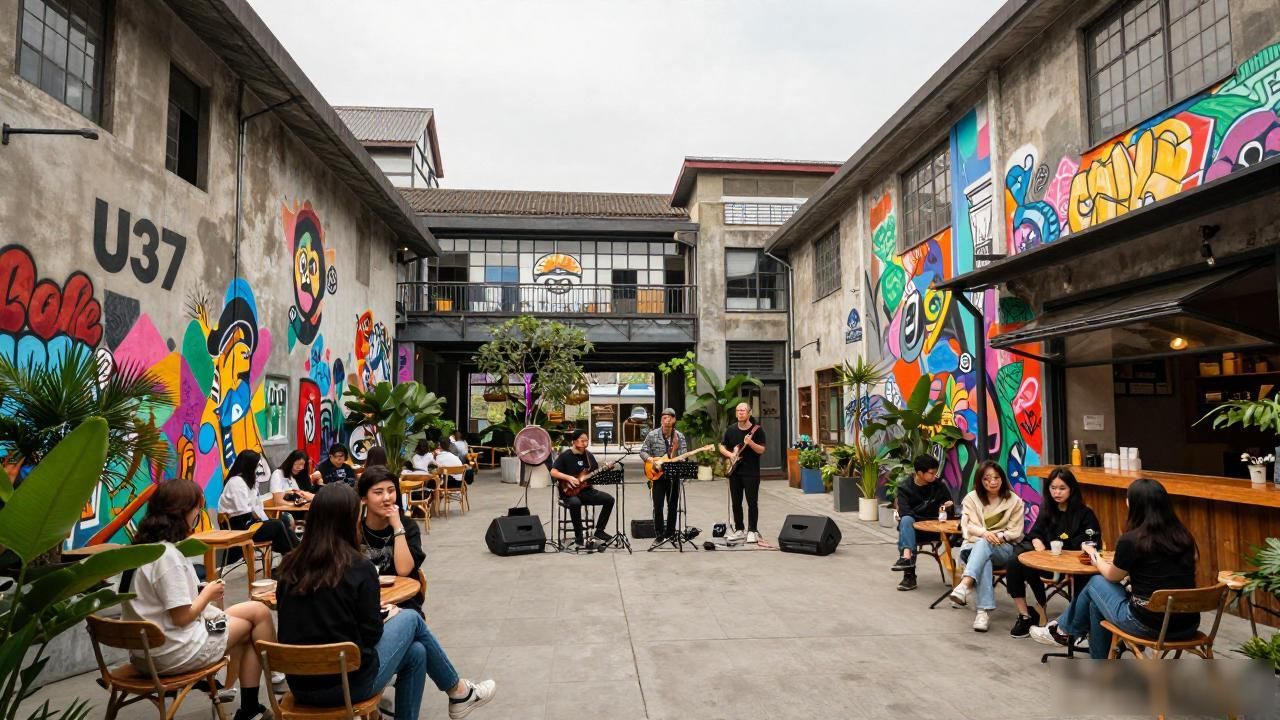
The U37 Creative Park, housed in a former state-owned factory, is where this energy concentrates. Street art covers every wall, indie bands play in converted warehouse spaces,and coffee shops rival any in Berlin or Tokyo. It is easy to spend an entire afternoon here without noticing the time pass.
For a taste of Chengdu’s nightlife that has nothing to do with mahjong parlors, the Bar Street area along Renmin South Road offers craft cocktail bars and live jazz venues that will surprise you. The city’s LGBTQ+ scene is also notably open and welcoming compared to many other parts of China.
The surrounding countryside within a two-hour drive provides an excellent escape, from the Buddhist mountain of Qingcheng to the terraced rice fields of the nearby valleys. Renting a bicycle and losing yourself in these landscapes is the perfect counterpoint to the urban buzz.