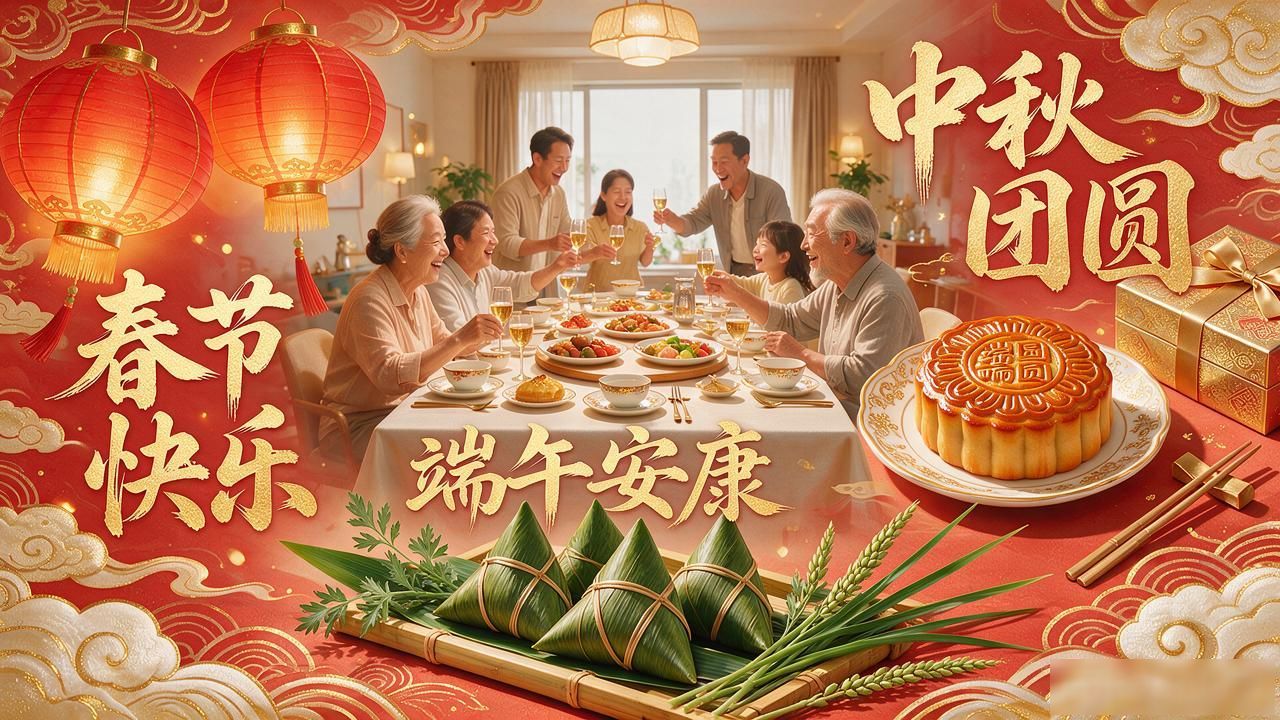
Traditional Chinese festivals stretch back over two thousand years, yet the emotional core stays the same: honor ancestors, welcome the new season, and share a meal. After a decade of guiding newcomers through Spring Festival, Mid-Autumn,and Dragon Boat celebrations, I find the biggest surprise for outsiders is how less is actually about fireworks. It is about rhythm, repetition, and food tying a family to a calendar that predates them.
What are Traditional Chinese festivals about
Strip away the red lanterns and you get a practical answer. Each festival anchors a specific moment in the agricultural cycle. Spring Festival marks the return of light after the coldest dark; Dragon Boat falls right when farmers pray for rain before rice transplanting. The food is not decoration—mooncakes, zongzi, dumplings—each dish is a small edible calendar page you pass down by hand.
What trips up most foreigners is the ancestor angle. On Qingming, families clean graves, burn paper offerings, and sit in silence. It is not “superstitious” in the way Western pop culture frames it. It is a structured way of saying: you were here, you mattered, we eat in your memory. I have watched British and American friends tear up at a Qingming gathering for the first time. The grief is real and specific, not vague.

Why Traditional Chinese festivals still matter
In 2026, millions of Chinese live in cities where no one farms. Spring Festival travel season, the largest annual human migration on Earth, exists purely so families can sit at one table for a few days. The state has built seven-day holidays around it. Without that pause, the entire social web holding rural and urban China together would fray. The festival is the load-bearing wall nobody wants to touch.
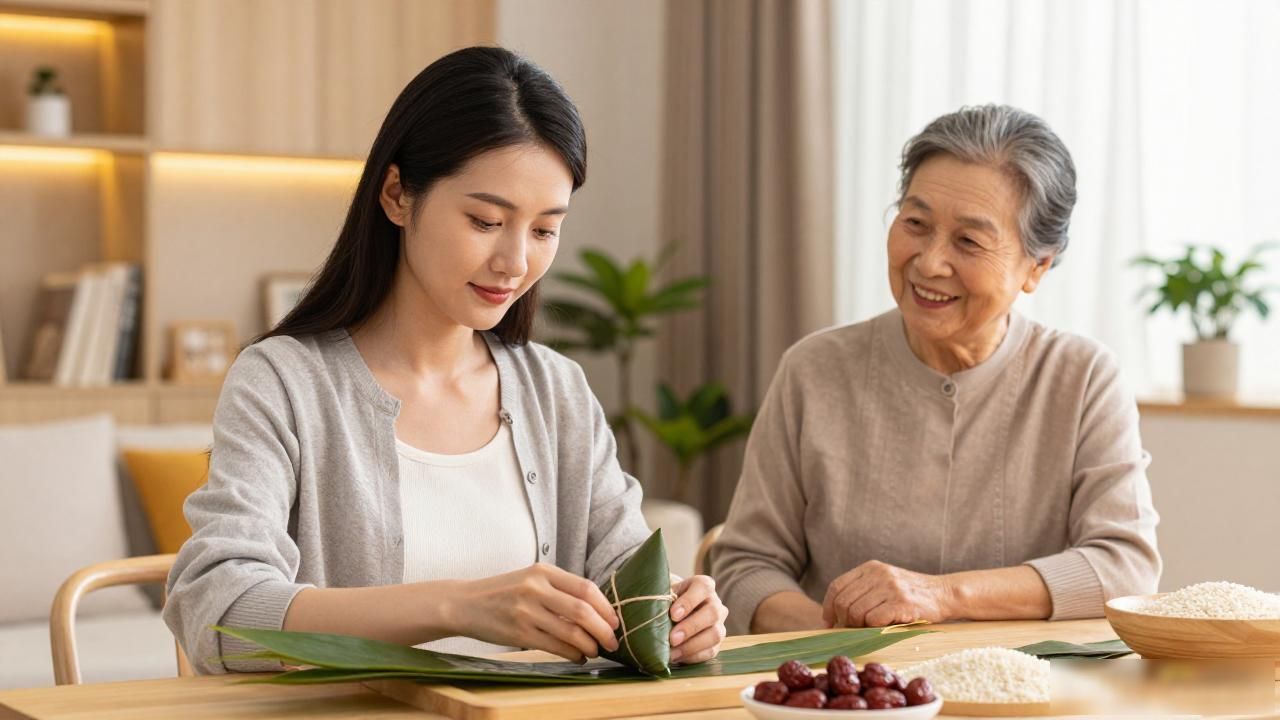
There is also a quiet cultural resistance happening. Young urbanites who grew up on TikTok still make zongzi with their grandmothers on Dragon Boat. A Mid-Autumn mooncake brand selling to Gen Z last year pulled in nine figures in revenue. The rituals survive not because the government mandates them, but because a teenager in Shenzhen still feels something shift when she smells that rose-flavor filling and hears her grandma say “open it now.”
You do not need to decode every ritual to respect what these festivals carry. Pick one, show up at a family table, and let the food do the talking. That is closer to the point than any textbook will ever get you.