
If you have ever wondered what makes Chinese culture so vibrant and deeply connected to its ancient roots, traditional festivals hold the answer. I have lived in China for over a decade now, and each festival season has given me a front-row seat to something truly special. These celebrations are not mere dates on a calendar. They carry centuries of stories, family values, and communal joy that continue to shape daily life across the country.
What Are the Most Popular Traditional Chinese Festivals Explained
The Spring Festival, also known as Chinese New Year, remains the most important holiday for Chinese people everywhere. It usually falls between late January and mid-February. During this time, families travel hundreds or even thousands of miles to reunite at home. Red lanterns line every street, couplets adorn doorways, and the smell of homemade dumplings fills the air. Fireworks light up the night sky for fifteen days, each one symbolizing the driving away of bad luck.
Another festival that captures the heart is the Dragon Boat Festival, which takes place on the fifth day of the fifth lunar month. People gather by riversides to watch teams race in long boats shaped like dragons. The rhythmic drumming echoes across the water while spectators cheer passionately. Eating zongzi, sticky rice wrapped in bamboo leaves, is a beloved tradition tied to the memory of the ancient poet Qu Yuan.
How Do Traditional Chinese Festivals Reflect Cultural Values

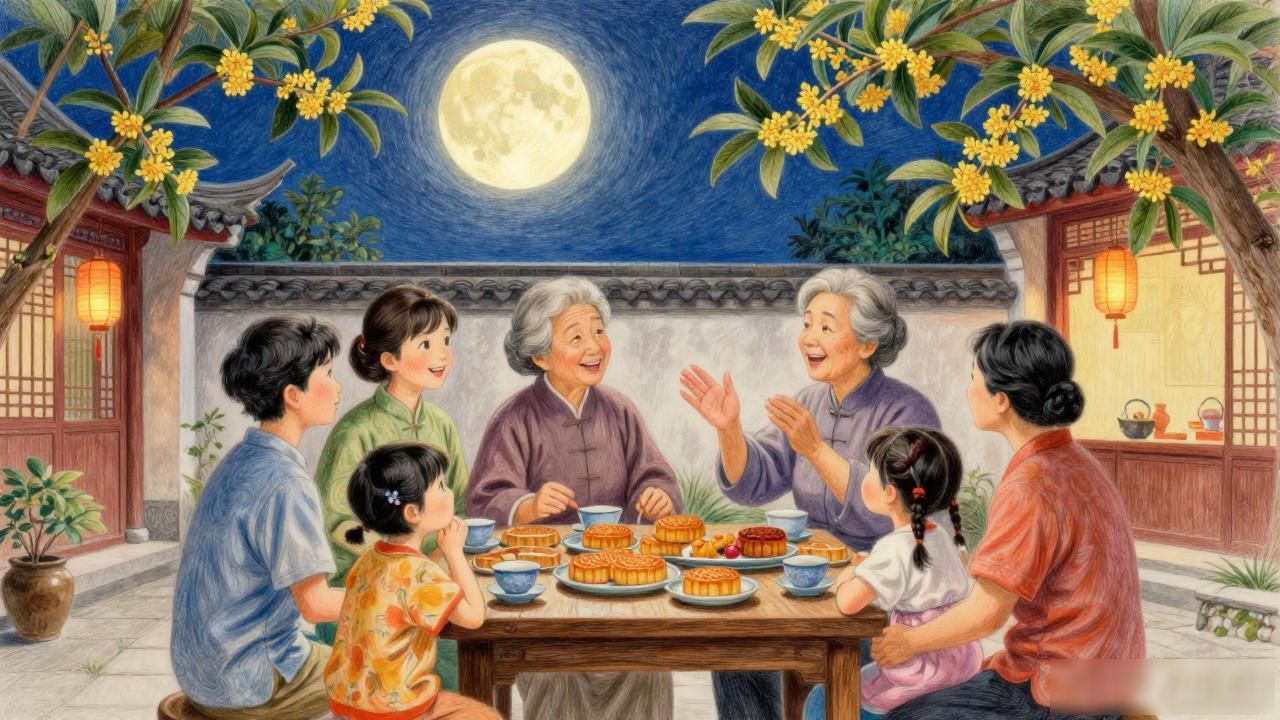
These festivals reveal something beautiful about Chinese society, the deep reverence for family and community. During the Mid-Autumn Festival,people gather under the full moon to share mooncakes and tell stories of Chang’e, the moon goddess. It is a quiet yet powerful reminder that no matter how far apart family members may be, they share the same sky.
The Qingming Festival, or Tomb-Sweeping Day, shows a different side of cultural values. Families visit ancestral graves to clean them, offer food, and burn incense. This act of remembrance honors those who came before and teaches younger generations the importance of gratitude and heritage. Such traditions bind communities together across time.
Why Should Foreigners Experience Traditional Chinese Festivals
Travelers often ask me why they should plan their visits around these festivals. The answer lies in the atmosphere you simply cannot find any other time of year. Streets come alive with color, music, and laughter. Shopkeepers who seem busy year-round pause to welcome guests with warm smiles. You taste dishes made only for specific occasions, foods that carry symbolic meanings passed down through generations.
Experiencing these festivals firsthand transforms how you understand China. It is not about checking items off a tourist list. It is about standing in a crowd waving lanterns on the riverbank, hearing children laugh as they run through firecracker-strewn streets, and feeling the genuine warmth of people who see sharing celebration as a way of life. These moments become memories you will carry forever.