
China’s tourism landscape stretches from ancient imperial complexes to neon-lit megacities, and picking the right stops matters far more than most guidebooks suggest. After three round trips through the country over the past decade, I’ve learned that the top attractions in China aren’t just checklist items. They’re the places where a visitor actually feels the weight of five thousand years pressing against their shoulders, and that changes how you move through the rest of the itinerary.
Which top attractions in China deserve your time
The Forbidden City in Beijing still outperforms everything else in terms of sheer architectural scale and layered history. You can burn an entire morning just tracing the Meridian Gate corridor up to the Hall of Supreme Harmony. What genuinely surprises most Western visitors is how the complex goes quiet after 3 PM, when the organized tour groups thin out and you’re left alone with the vermilion walls, the grey tile roofs, and the crows.

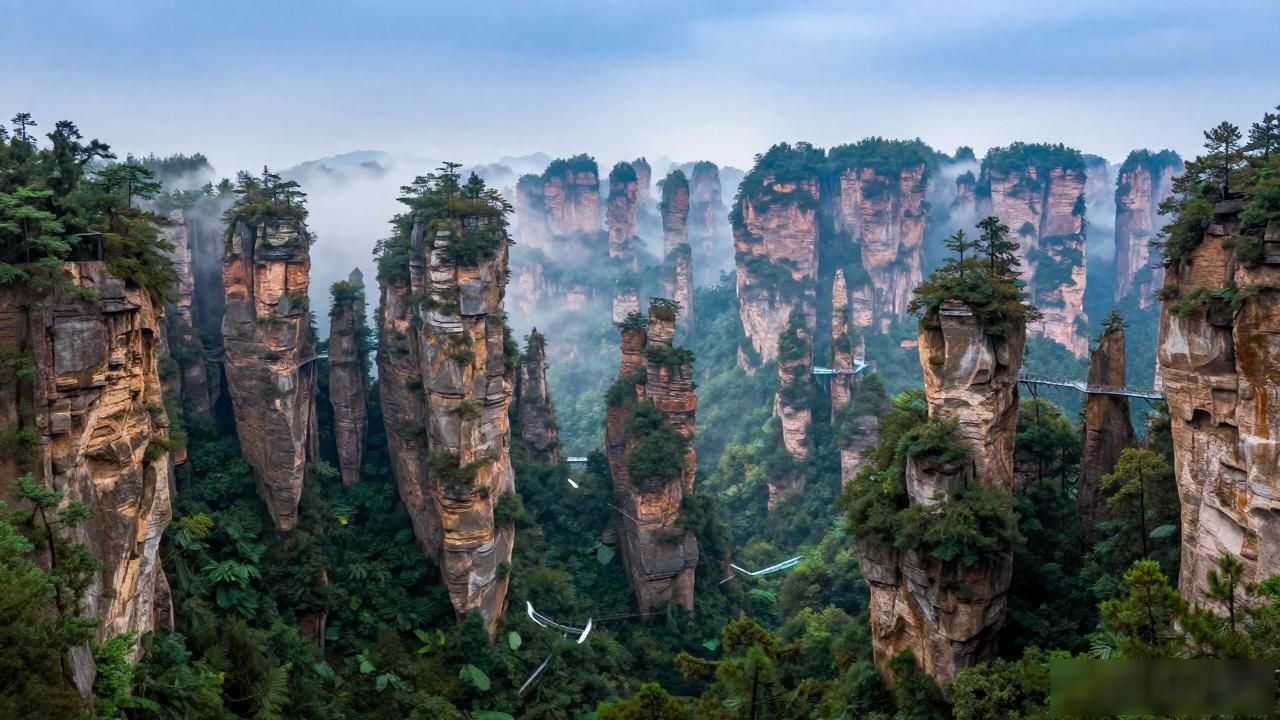
The Zhangjiajie pillar forests in Hunan sit a step behind the capital’s landmarks in mainstream fame, yet they deliver a more visceral “hold on, is this actually real” moment. The glass-bottomed bridge clinging to a sheer cliff face justifies the cable car ride up on its own, and the morning fog rolling between the sandstone columns makes you feel like you’ve landed in a painting by mistake.
Why top attractions in China hit different
There’s a physical rhythm to Chinese sightseeing that differs sharply from the pace of, say, a European museum. You climb. You walk for long stretches between viewpoints. The Terracotta Army in Xi’an isn’t something you observe behind protective glass; you stand shoulder-to-shoulder with thousands of earthenware soldiers arranged in military rows, and the earthy smell of the pit is something no photograph captures.

A local dinner after the museum wraps around the whole afternoon in a way that makes the visit feel layered rather than purely transactional. You end up trading dynasty hot-takes with the family running the next table, and suddenly the history stopped being facts on a placard and became something you’re arguing over chili oil and rice wine.
How to fit top attractions in China into one trip
A two-week route threading Beijing, Xi’an, Chengdu, and the Guilin-to-Longshui karst corridor works remarkably well for first-timers. Budget roughly four days per city,hold two full days for transit and buffer, and resist the urge to cram another temple in. The high-speed rail network turns 1,500-kilometer hops into a two-hour train ride, which makes the whole thing feel doable instead of exhausting.

Book those rail tickets at least seven days out through the 12306 app, or you’ll join the scramble that every foreigner in March knows all too well. The algorithm releases seats in waves, and the earlier you grab yours, the more seat you get.
None of this is carved in stone. China keeps redrawing its own tourism map—new UNESCO inscriptions arrive, entire city centers get reinvented between your trip and a friend’s next one. Come with an open itinerary, let the country surprise you, and save a whole day for the place you weren’t planning to visit at all.