
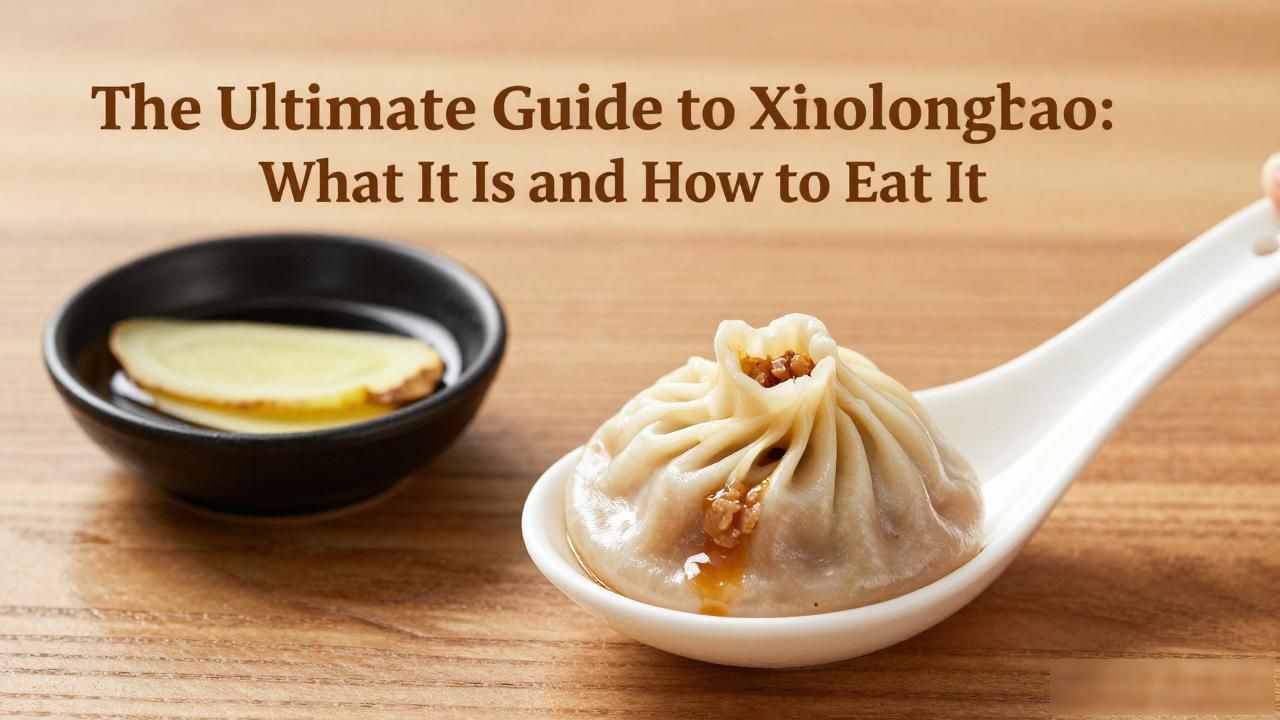
Xiaolongbao, often called soup dumplings, is one of the most celebrated dishes in Chinese cuisine. These delicate parcels of thin dough are filled with savory meat and a rich gelatin that melts into hot broth when steamed. For many foreigners, the first encounter with xiaolongbao is both thrilling and slightly intimidating. The idea of biting into a dumpling only to be greeted by a rush of hot soup can feel like a culinary puzzle. Yet once you understand the technique and appreciate the craftsmanship behind each piece, xiaolongbao becomes an unforgettable dining experience.
How to Eat Xiaolongbao Without Spilling Soup

The key to eating xiaolongbao lies in patience and a few simple tricks. Start by placing one dumpling on a spoon, then add a splash of black vinegar and a few slices of ginger. The acidity of the vinegar cuts through the richness of the pork filling and enhances the overall flavor. Never bite into a xiaolongbao straight away, as the scalding soup inside can cause serious burns.
Instead, take a small bite at the top of the dumpling and gently sip the soup first. Once you have enjoyed the broth, you can finish the rest of the dumpling in a few bites. The thin skin should hold together if handled correctly, and the meat inside is typically seasoned with a touch of sugar and white pepper. This method transforms a potentially messy experience into something elegant and satisfying.
What Makes Xiaolongbao Different From Other Dumplings
The defining feature of xiaolongbao is its soup filling. Unlike regular dumplings that contain only minced meat and vegetables, xiaolongbao relies on a special gelatin called aspic. This gelatin is made by simmering pork skin and bones for hours until the collagen dissolves. When the mixture cools, it turns into a firm jelly that is chopped and mixed with the meat filling before being wrapped. During steaming, the jelly melts back into liquid soup, creating that signature burst of flavor.
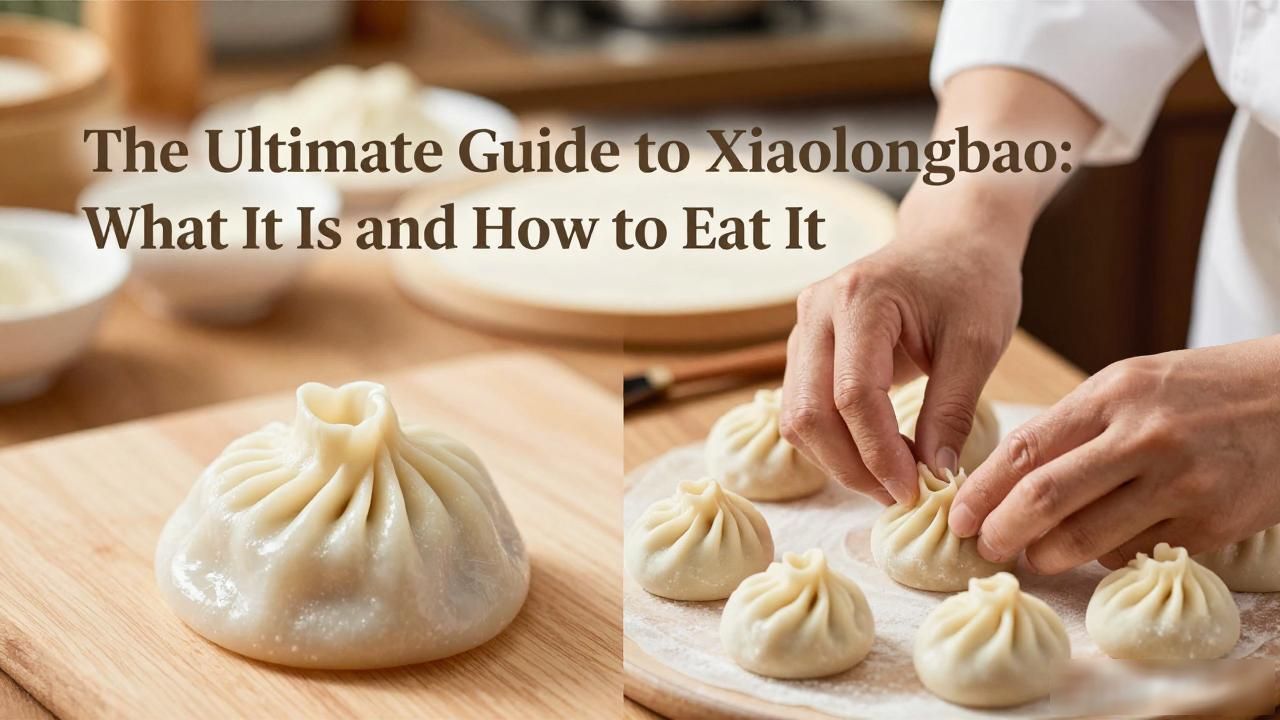
Another important distinction is the wrapping technique. The dough must be rolled paper-thin yet strong enough to hold the hot soup without breaking. Skilled makers create dozens of precise pleats around the top, a process that requires years of practice. The tradition of making xiaolongbao dates back to the Qing dynasty, originating in the town of Nanxiang near Shanghai. Over time, this regional specialty spread across China and eventually reached restaurants worldwide.
Today xiaolongbao has become a global phenomenon. Cities from New York to London boast their own versions, each adding a unique twist while staying true to the original concept. Whether you try it at a bustling street stall in Shanghai or a refined restaurant in Manhattan, the experience remains the same. The combination of tender skin,juicy meat, and fragrant soup makes xiaolongbao a dish worth seeking out and mastering.